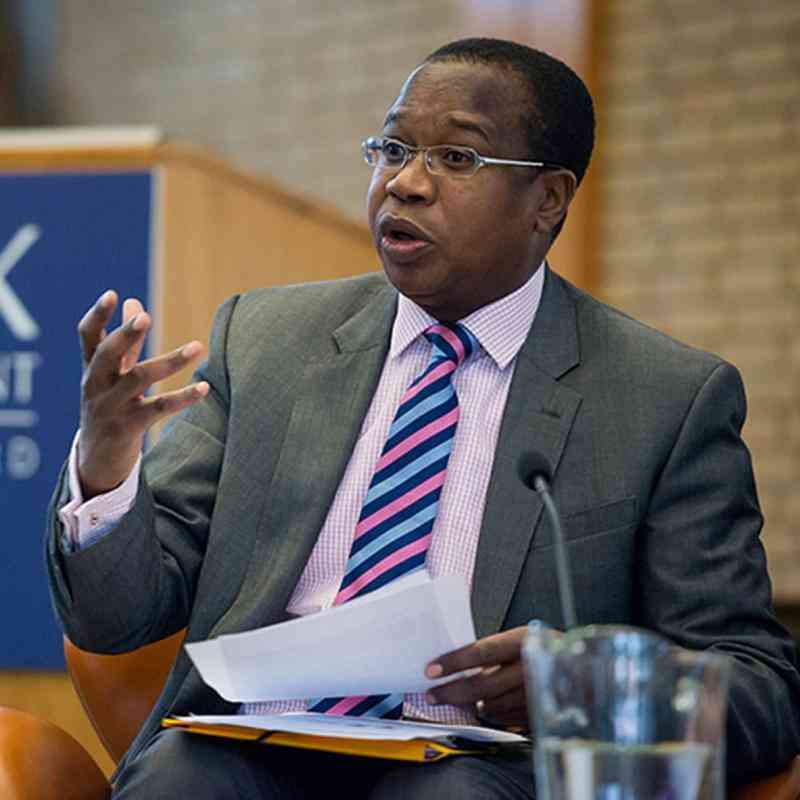
FINANCE minister Mthuli Ncube steered through the 2026 national budget in Parliament, albeit some significant amendments from opposition lawmakers who stood their ground in defence of the overtaxed working poor.
Ncube tried to draw the line in the sand when he replied to MPs after the second reading debate of the Finance Bill 2026.
His language and tone were sarcastic. He did not care about labels.
“Thank you very much Mr Speaker. Of course, there were comments about the cost of my meals and so forth. I just want to say to the Hon Member that he is free to have a free dinner tonight, courtesy of the Minister of Finance,” Ncube said.
The statement may look simple, but it was loaded.
The message was sent home that Treasury does not care much about what people say about its extravagance, opulence in the face of poverty.
Treasury would once in a while invite you to partake in the opulence.
I enjoyed the way two opposition members — Edwin Mushoriwa and Corban Madzivanzira — remained unfazed after this insult and still stood by the poor clause by clause during the committee stage of the Bill.
- Fresh delays to pharmaceutical sector bailout
- Record education budget fails to quell crisis, say teachers
- ‘Budget skirts workers’ issues’
- Economists slam 2026 budget as tax grab that offers ‘no real relief’
Keep Reading
They stood head and shoulder over their peers and even Ncube reluctantly gave in to their inputs.
The two went toe to toe with the minister.
They were relentless.
The minister made concessions on several significant issues.
They fought hard to have certain taxes on big mining companies increased.
They argued about equity in payment of taxes.
Taxes for raw chrome was increased from 2% to 3%.
Unbeneficiated platinum tax rate was increased from 5% to 10% of value and the clause that called for exempting Mutapa Investment Fund from paying capital tax was removed.
These changes may seem insignificant to many, but the computations show that for the first time, the mining friendly minister was forced to get a pound off flesh off his friends.
Mining companies have for a long time been getting away with it.
For the past several years, despite government extending the time for them to comply with beneficiating the minerals locally, they continued exporting raw platinum.
I earlier said Ncube reluctantly made the concessions.
The country will have to wait and see if he will aggressively follow the dollars from the miners.
Mushoriwa and Madzivanzira did not only about care big companies coughing up the big dollars, they also wanted the poor working class to save what little they had.
In this category of victory for ordinary citizens, they forced Ncube to make the following concessions: the discarding of the 2% cash withdrawal levy for amount between US$501 and US$1 000 and a 3% levy for amounts above US$1 001, had presumptive tax on rental income reduced to 15% from the proposed 25%.
These gains mean a lot to the working class.
They would save significant amounts to put food on the table.
They too deserve good hot meals at home, not the free dinner by Treasury.
Mushoriwa was also involved in the debate on amendments to other laws that were bundled in the Finance Bill.
He convinced Ncube to put harsher and deterrent sentences to persons convicted of using fake customs stamps.
The minister agreed to change the fine level to level 14 from the proposed level 7.
Mushoriwa also won a victory for artisanal miners.
It will no longer be a crime to be found in mere possession of gold.
Dealing in gold and gold smuggling are a crime.
More importantly, Mushoriwa made Ncube concede that the Zimbabwe Revenue Authority cannot close companies indefinitely.
He suggested and it was accepted that companies may be closed, but not for more than 180 days or until they rectify issues raised.
The two were also at the forefront in trying to have the pay as you earn tax bands revised, particularly in ZiG since the official rate was lower than the real market rate.
Mushoriwa argued that ZiG2 800 was not equivalent to US$100 and, therefore, people paying in ZiG were being taxed more.
Ncube refused to concede the point.
They also argued persuasively to have punting taxes reduced, but the minister was adamant that he would not make concessions on proposed sin tax.
The brightest moment for Mushoriwa was when he made a bold call for health taxes and levies to be ringfenced and strictly used for procurement of drugs and hospital equipment.
He gave example of sugar tax, but no X-ray or other related machinery have been procured despite the tax being collected for two financial years.
Ncube said the proposal needed more time to be considered and work modalities of how to implement it.
The minister deflected the issue, but he felt exposed that Treasury was dipping into supposedly ringfenced funds.
Mushoriwa and Madzivanzira may not be photogenic or orators of note, but they compensate for it by researching their subject matter, seeking assistance from outside and concisely puttinh their arguments during debates.
They are leaders. They stood by the poor working class, peasants and the pensioners.
The Hansard of December 16, 2025 should be a collectors’ item with regards to debating a budget.
The opposition had no numbers to win any vote if the House was divided, so they could only depend on putting convincing and well researched arguments to sway the minister.
Forget about the majority on the other side of the aisle.
Clement Chiduwa was exceptional.
He moved amendments that were accepted, but the rest had come to defend the party line.
Adios 2025.
May more new leaders like Mushoriwa and Madzivanzira emerge in the coming year.