HARARE, Jul. 22 (NewsDay Live) – Government says it is intensifying efforts to shift Zimbabwe away from exporting raw minerals and agricultural commodities, placing value addition and manufacturing at the centre of its economic strategy as it seeks to create jobs, boost exports and strengthen industrial competitiveness.
The strategy, outlined ahead of the inaugural Zimbabwe Industrialisation Conference and Expo (ZICE) 2026, marks a renewed push to transform Zimbabwe from a supplier of raw materials into a regional manufacturing hub capable of competing under the African Continental Free Trade Area (AfCFTA).
For decades, Zimbabwe has exported gold, platinum, lithium, chrome and agricultural products largely in raw or semi-processed form, leaving much of the value, jobs and industrial activity associated with processing and manufacturing to other countries. Government says reversing that trend is critical to achieving upper-middle-income status under Vision 2030.
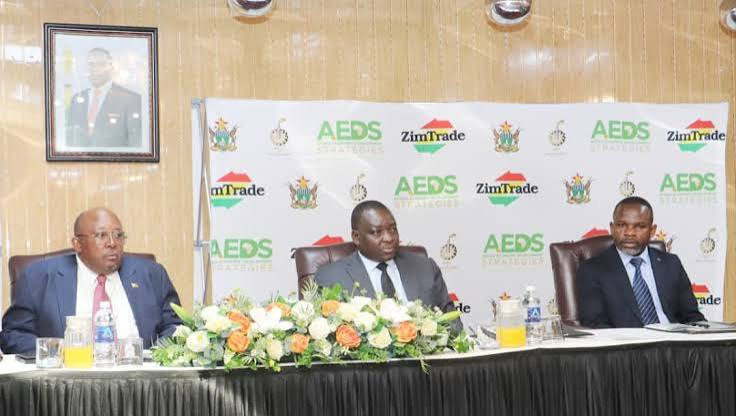
Speaking during the conference’s Media Awareness Day, Information, Publicity and Broadcasting Services Minister Zhemu Soda said value addition and beneficiation would be central to Zimbabwe’s industrial transformation.
“The conference seeks to accelerate the implementation of Vision 2030 by unlocking investment, promoting value addition and beneficiation, strengthening regional value chains, advancing innovation and expanding Zimbabwe’s export competitiveness,” Soda said.
The renewed emphasis comes as several resource-rich African economies seek to capture a larger share of global commodity value chains amid rising demand for critical minerals used in electric vehicles and renewable energy technologies.
Government says sectors targeted for expansion include manufacturing, agro-processing, pharmaceuticals, steel production, engineering, logistics and renewable energy as part of efforts to diversify the economy and reduce its vulnerability to commodity price fluctuations.
Soda said Zimbabwe remained overly dependent on imports despite having the capacity to manufacture many products locally.
- Mudariki delights in historic Sables win
- Why Maser CEO Suri thinks AfCFTA is a winner for start-ups
- AfCFTA bolsters Zim SMEs
- Govt arranges Comesa grants for SMEs
Keep Reading
“Zimbabwe continues to import products that can, and should, be manufactured locally,” he said, arguing that expanding domestic production would create employment, conserve foreign currency, strengthen local industries and improve economic resilience.
The industrialisation programme is also intended to deepen Zimbabwe’s participation in regional supply chains under the AfCFTA by positioning local manufacturers to access larger export markets while attracting investment into processing industries.
The three-day conference is expected to draw more than 1,000 delegates and 200 exhibitors, including representatives from government, industry, investors and international organisations such as the AfCFTA Secretariat, COMESA, the United Nations Economic Commission for Africa, the United Nations Industrial Development Organization and the World Bank.
Discussions will focus on industrial financing, export diversification and investment mobilisation.
The event will also see the launch of the State of Industry and 2027 Prospects Report, compiled from research involving more than 2,300 businesses and stakeholders, providing one of the most comprehensive assessments of Zimbabwe’s industrial capacity and competitiveness.
Despite the policy ambition, analysts say the success of the industrialisation drive will depend on Zimbabwe’s ability to attract investment, improve infrastructure, secure reliable energy supplies and access modern technology—longstanding constraints that have hampered previous attempts to revive the country’s manufacturing sector.