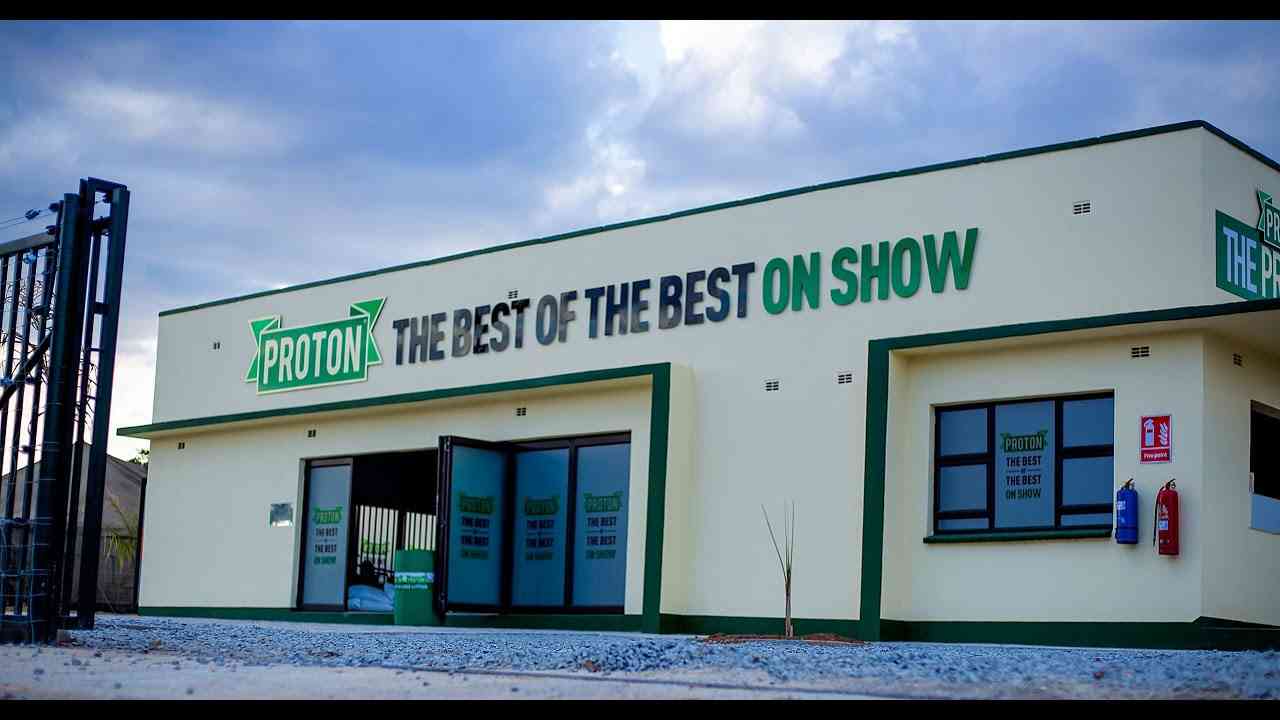
THE country’s third-largest bread producer, Proton Bakery, says it has invested more than US$20 million in production infrastructure, renewable energy and distribution networks.
Proton Bakery managing director, Spiros Tselentis, said the company is also developing a 1-megawatt solar power plant at its Marondera facility.
“The company’s investment programme has seen more than US$20 million channelled towards plant upgrades, expansion of its delivery fleet and the development of a 1-megawatt solar power plant at its Marondera facility,” Tselentis said.
According to Tselentis, the solar investment has significantly enhanced operational efficiency by allowing the bakery to run entirely on solar power during daylight hours, reducing dependence on the national grid and lowering production costs.
“The investment in renewable energy has been critical for our operations. Our 1MW solar power plant enables us to operate entirely on solar energy during the day, improving energy security and contributing towards sustainable manufacturing practices,” he said.
The bakery operates major distribution depots in Harare and Bulawayo, enabling it to supply bread to retailers and consumers across various parts of the country.
The company’s entire production process is carried out in Marondera.
“We source all our flour locally from three major suppliers, which demonstrates our commitment to supporting local industries and strengthening domestic value chains,” said Tselentis.
- Proton opens new depot
- Proton opens new depot
- Shady company at the centre of US$4m NBS storm
- Zanu PF quashes push for diaspora vote
Keep Reading
“Our focus has always been on quality. We are continuously investing in our production processes and infrastructure to ensure that consumers receive high-quality products while maintaining efficiency and competitiveness in the market.
With daily production averaging 170,000 loaves, Proton Bakery has emerged as one of the country’s leading players in the baking industry.
The company’s reliance on locally milled flour has also created important linkages within the domestic agricultural and manufacturing sectors, supporting grain processors and contributing to value addition across the supply chain.