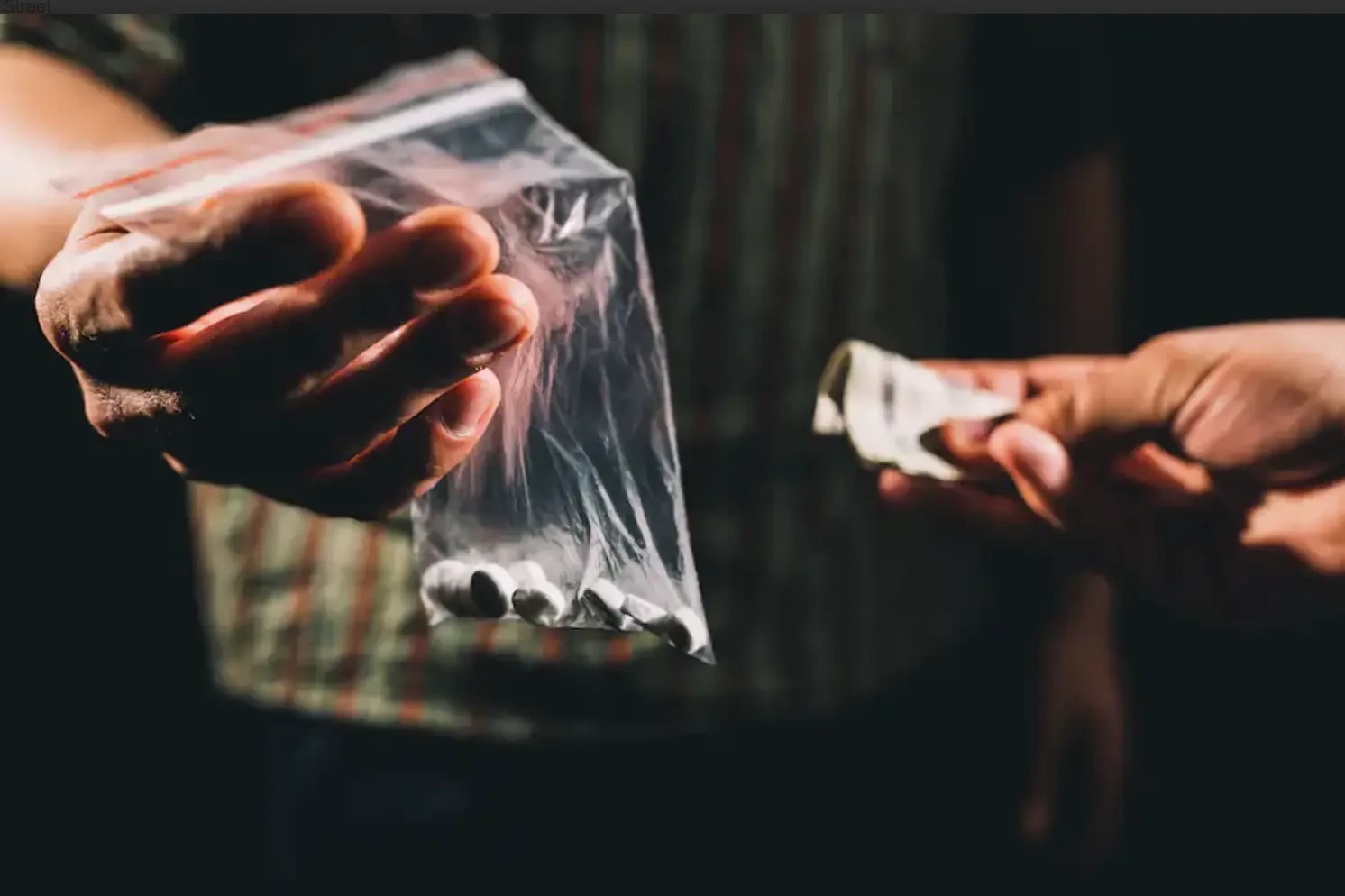
GWANDA, Jul. 15 (NewsDay Live) – A Gwanda magistrate has questioned whether Zimbabwe’s drug laws are targeting the right offenders, arguing that people arrested for drug possession are often victims of addiction and socio-economic hardship while politically and financially connected suppliers evade justice.
Magistrate Wayne Moyo made the remarks on Wednesday while sentencing 21-year-old Sibusiso Baloyi, who pleaded guilty to unlawfully possessing cannabis.
The court heard that detectives on patrol at about 4pm on July 2 spotted Baloyi preparing a cannabis joint at Maqethukane Business Centre in Gwanda. After identifying themselves and searching him, officers recovered a second prepared joint hidden behind his left ear before arresting him.
Moyo fined Baloyi US$150, payable by August 7, with a default sentence of two months’ imprisonment. He also imposed a further two-month prison term, wholly suspended for two years on condition that Baloyi does not commit a similar offence.
In his sentencing remarks, Moyo said drug users should be viewed primarily as victims of addiction rather than criminals.
“It is well-recognised that drugs are inherently addictive, and individuals found in possession are often victims of socio-economic hardships rather than mere criminals,” he said.
He urged authorities to prioritise rehabilitation and counselling services, arguing that enforcement efforts should focus on dismantling drug supply networks instead of punishing users.
“The real culprits behind drug trafficking are often well-connected politically and financially, enabling them to evade arrest and prosecution,” Moyo said.
- Record breaker Mpofu revisits difficult upbringing
- ED speaks on prices, exchange rate
- Mapeza looks forward to Bosso challenge
- Illegal gold rush fuels violent crimes
Keep Reading
“The court finds that the typical harsh sentences imposed for such offences may be unnecessarily punitive. Instead, a focus on reform and rehabilitation is warranted.”
Moyo noted that the offence already carries a presumptive penalty of a level five fine or a treatment order, which he said reflected Parliament’s recognition that rehabilitation can be a more appropriate response than imprisonment in suitable cases.
Citing the Supreme Court’s decision in Zimnat Insurance Company Limited v Chawanda (1990), Moyo said the law must evolve to reflect changing social realities.
Quoting then Acting Chief Justice Anthony Gubbay, the magistrate said the law in a developing country “cannot afford to remain static” and must adapt to society’s evolving understanding of justice.