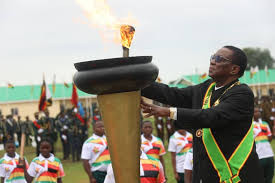
THE Government is racing against time to complete the Ratanyana Battlefield Museum in Maphisa, Matobo district, ahead of the lighting of the 2026 Independence Torch scheduled for next Friday.
The Ratanyana battle, fought on February 11, 1979, in Matobo district, was a fierce engagement between Rhodesian forces and Zipra freedom fighters and has since become one of the country’s liberation heritage sites.
The battle involved a day-long confrontation that resulted in significant casualties, including civilians.
The National Museums and Monuments of Zimbabwe is developing the site into a museum, with the venue set to host the lighting of the Independence Torch.
However, a number of Independence Day legacy projects in Maphisa are reportedly running behind schedule.
Matabeleland South provincial director of public works Sijabuliso Ncube expressed confidence that the museum will be completed in time for the national event.
“It is a critical project that reminds people of this nation about its history. A lot of lives were lost during the battle, and people should not forget that. This will become a tourist attraction centre,” Ncube said.
“The project is almost complete. A lot of artefacts are coming in. This is where the 2026 Independence Torch is going to be lit on April 17.”
- Violent storm destroys Matobo homes
- Matobo villagers restore wetlands to counter climate change induced water shortages
- Zanu PF abandons violence-marred primaries in Matobo
- Chief laments village’s neglect
Keep Reading
Historical accounts indicate that Zipra forces, led by a regional commander, were cornered by the Rhodesian army during the battle.
In an act of vengeance, Rhodesian forces reportedly killed four minor children during the encounter.
Sources say the site is recognised for symbolising the resilience of liberation fighters and has become a pilgrimage site in commemoration of the armed struggle.
High-ranking government officials and members of the Zimbabwe Defence Forces have visited the area as part of efforts to connect the present generation with the country’s liberation history.