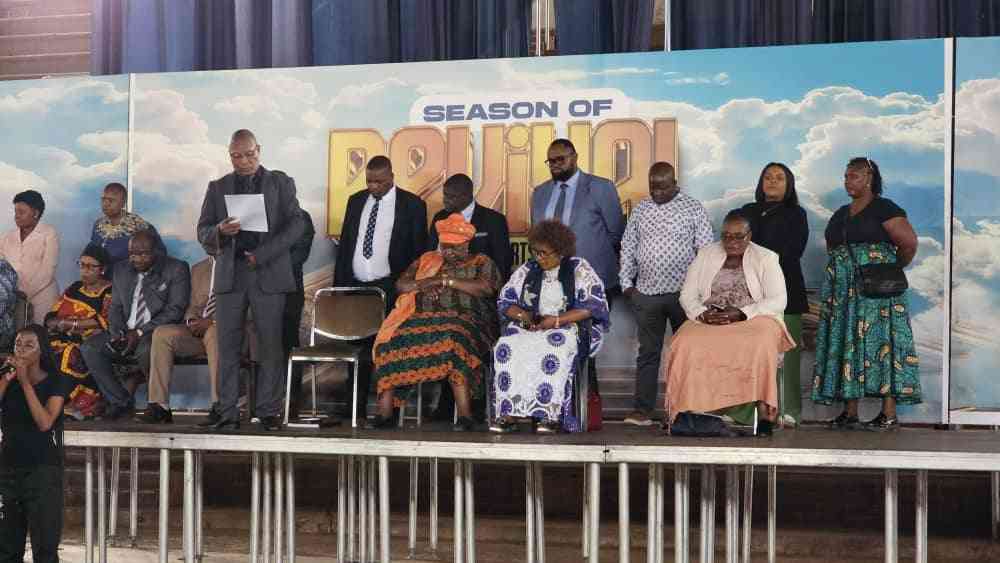
THE Parliament-led public hearings on the Constitutional Amendment No 3 Bill turned violent yesterday, the second day of proceedings, threatening the integrity of the consultations.
In Harare, the session at the City Sports Centre was marred by violence and harassment of citizens who spoke against the Bill, while journalists covering the event were obstructed by suspected Zanu PF supporters.
The disruptions and intimidation have resulted in the escalation of criticism from civil society groups and opposition actors, who argue that the consultations are neither free nor representative. Observers warn that the process, designed to gather nationwide public input on constitutional reforms, is being manipulated to favour selected voices, raising serious questions about transparency, inclusivity and the protection of citizens’ democratic rights.
Journalists covering the event were not spared harassment with suspected Zanu PF supporters trying to hinder them from covering the incidents.
The hearing, part of a nationwide consultative process, degenerated into disorder after groups of rowdy youths, believed to be aligned to Zanu PF, disrupted proceedings, blocking dissenting voices from speaking.
Tensions escalated when individuals opposing the proposed amendments attempted to contribute, triggering scuffles that abruptly halted the session. Prominent lawyer Doug Coltart was assaulted during the melee and his cellphone was stolen. Despite these incidents, parliamentary officials remained silent, raising concerns as to why violence was being countenanced at a public engagement platform.
Opposition figures present included Tendai Biti, Fadzayi Mahere, Jameson Timba and constitutional law expert Lovemore Madhuku.
The disruption has intensified criticism from civil society organisations and opposition actors, who argue that the consultations are neither free nor representative, despite Parliament’s outreach programme across the country.
- Corruption Watch: Get scared, 2023 is coming
- Corruption Watch: Get scared, 2023 is coming
- Letters: Ensuring Africa’s food security through availability of quality seeds
- Is military's involvement in politics compatible with democracy?
Keep Reading
Similar disruptions occurred at Patchway Mine in Sanyati, where a participant, who attempted to contribute dissenting views, was forcibly removed by five individuals, allegedly aligned to Zanu PF. Those who ejected him claimed he was not from the area, a justification critics say is increasingly being used to block dissent. Journalists, fearing for their safety, did not follow the incident outside, highlighting the tense and intimidating environment surrounding the consultations.
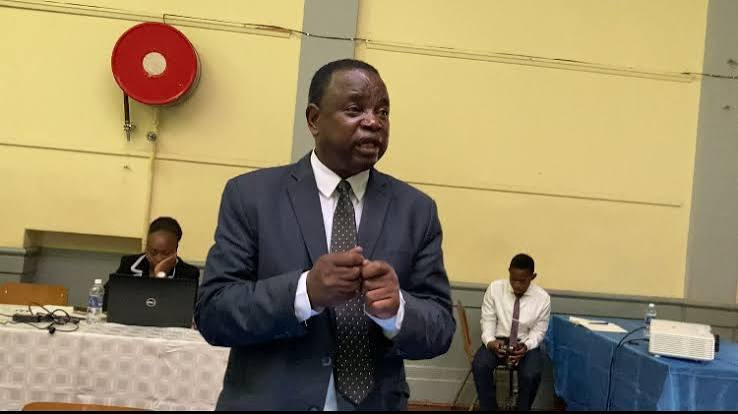
Investigations revealed that the main tent, where contributors were being selected, was largely occupied by individuals allegedly pre-selected and coached. Hundreds of other attendees remained outside, effectively excluded from the process. Committee chairperson Dexter Mangaliso defended the process, saying he only recognised participants who raised their hands. However, he struggled to explain why he appeared to ignore more than 800 participants outside the tent.
Nearly all contributions recorded during the meetings supported the Bill, particularly proposals to extend presidential terms, allow traditional leaders to engage in partisan politics and reassign certain functions of the Zimbabwe Electoral Commission, including voter registration and delimitation.
Civil society organisations and opposition political parties condemned the hearings.
The Election Resource Centre (ERC Africa), which deployed observers across 65 public hearing venues, reported that the pre-hearing environment was marked by intimidation and systematic suppression of dissenting voices. ERC cited the arrest of opposition-linked figures, including Biti and Morgan Ncube in Mutare, as well as Livingston Chimina and 14 others in Gweru.
The organisation said at major centres like Bulawayo City Hall and the Chitungwiza Aquatic Complex, large turnouts were recorded, but this did not translate to meaningful participation.
The Zimbabwe Constitutional Movement (ZICOMO) also flagged the restrictive environment, noting that prior consultations had hinted a flawed process. “Many Zimbabweans remain unaware of the content and implications of these reforms,” ZICOMO stated, “hampering citizens’ ability to make informed contributions. It is critical that citizens feel secure exercising their democratic rights without fear of reprisal or intimidation.”
Meanwhile, the Movement for Democratic Change has condemned reports of violence and intimidation during ongoing public hearings, describing the process as flawed and exclusionary.
“The booing, beating and intimidation of private citizens who intended to make submissions as required by law are unacceptable,” presidential spokesperson Lloyd Damba said.
“Committee chairpersons were also working in cahoots with well- organised Zanu-PF party members on the floor as they were ignoring genuine people who wanted to give their independent views.”
Justice, Legal and Parliamentary Affairs minister Ziyambi Ziyambi expressed shock at the events in Harare, claiming he was unaware after spending the day in a Cabinet meeting. National police spokesperson Commissioner Paul Nyathi said no reports were received regarding the incidents.