THERE is a renewed call for free sanitary pads for girls in rural communities to end period poverty as the country joins the rest of the world to commemorate the International Women’s Day.
Period poverty remains a significant issue for girls, particularly in rural areas.
Many face challenges in accessing dignified sanitary wear due to high costs, often resorting to unhygienic alternatives that pose health risks.
This lack of access leads to frequent absence from school, approximately four days each month, adding to over 40 days of missed learning annually.
The national head of policy, research and strategy for Arise Women of Africa, Dorothy Ncube, warned that lack of menstrual health resources continues to hinder education and dignity for many young learners.
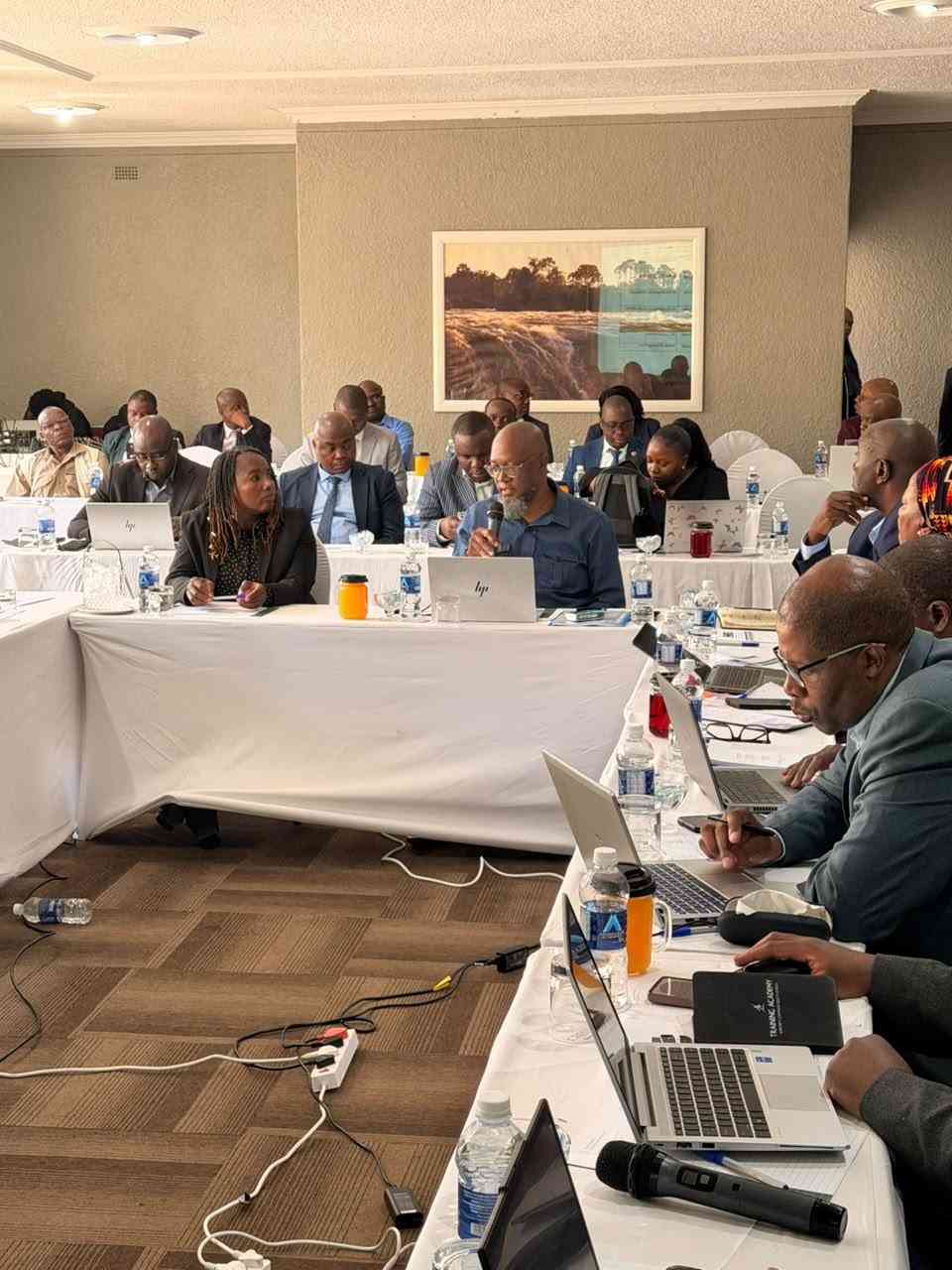
Ncube made the remarks while attending the 15th Zanele Mbeki International Women’s Day Dialogue, where women leaders, development practitioners and gender advocates gathered to discuss progress in advancing women empowerment across the region.
The dialogue, convened under the leadership of Zanele Mbeki, also marked the 35th anniversary of the WDB Trust, an organisation known for its work in supporting women’s development, particularly in rural communities.
“In rural areas like where I come from in Zimbabwe, Plumtree, girls face a harsh reality: no access to pads, hindering their education and well-being. Let’s ensure girls have free pads, supporting their dignity and future,” she said.
- Binga, Plumtree polytechnics coming soon: Minister
- LSZ to hold open day in Plumtree
- Hwange villagers lose livestock to marauding lions
- Hear our views: Plumtree residents demand
Keep Reading
Ncube urged government, civil society organisations and development partners to strengthen policies and programmes that address menstrual health challenges and ensure that girls attend school consistently.
In a related matter, legal expert Prisca Dube emphasised that rights and justice for all women are non-negotiable.
“Rights and justice for all women are non-negotiable,” Dube said during the IWD commemorations.
Dube urged women to take action on systemic issues and leverage existing platforms to advance their rights.
Another women’s rights activist, Jacqueline Ndlovu said women’s health and reproductive rights are critical.
“Women must have health and reproductive rights, survive labour safely and every voice counts for rights, justice and action,” she said.
This year’s IWD was celebrated under the theme Rights. Justice. Action. For ALL Women and Girls.