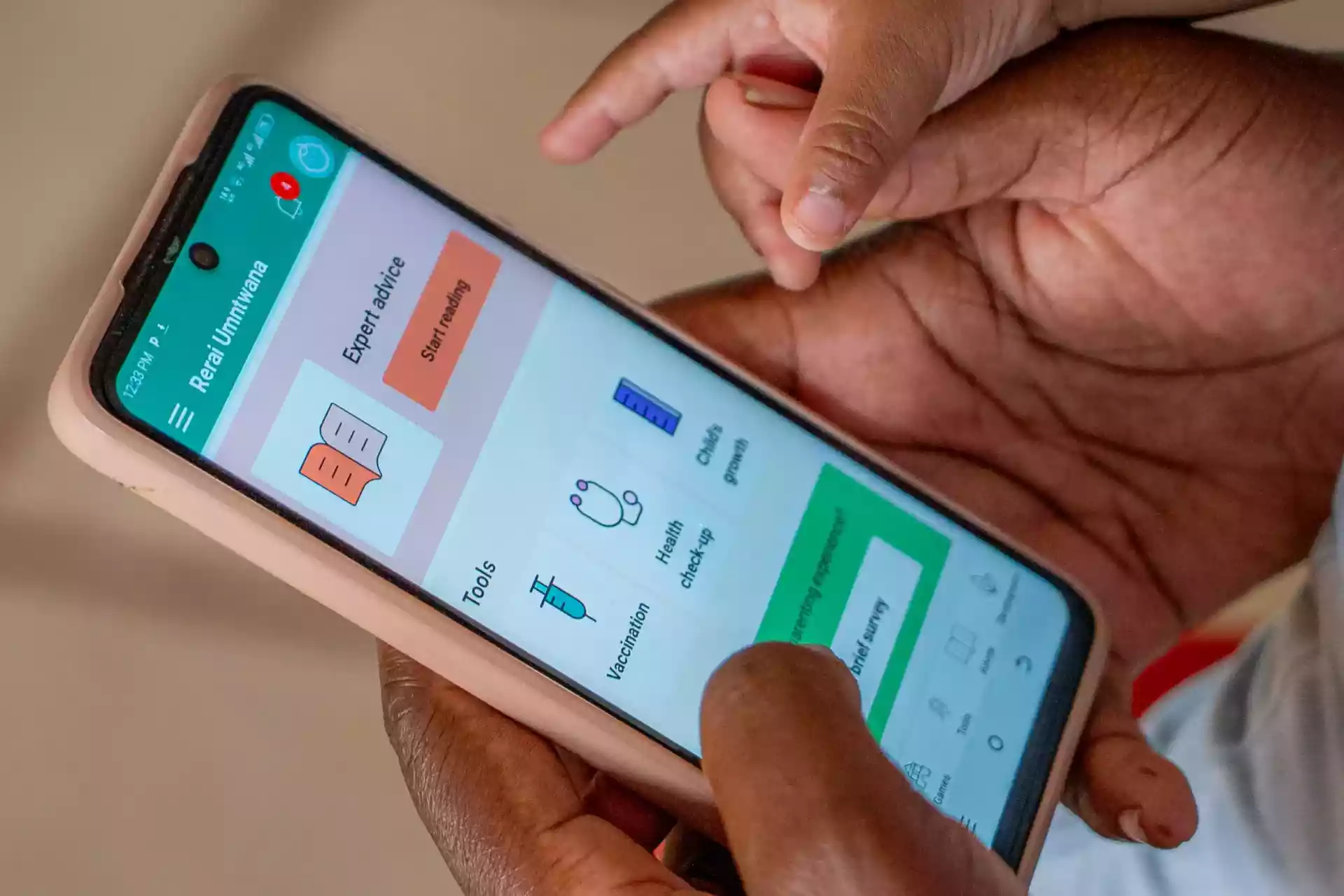
THE Health and Child Care ministry is promoting the use of mobile technologies to enhance parenting and healthcare training, with a spotlight on its digital parenting tool, the Rerai Umtwana app.
The Rerai Umtwana app, developed in partnership with Unicef, provides parents with evidence-based guidance and interactive tools designed to support a child’s holistic growth from birth through to the first day of school.
Chij Chikanda, a public health specialist at the ministry, emphasised the app’s role in modern parenting.
“Rerai Umtwana equips parents with science-backed information that allows them to actively support their children’s physical, emotional and cognitive development. Its ongoing use is helping families nationwide to give children a strong start in life,” he said.
Alongside the parenting tool, the ministry also highlighted the Neotree application, which assists healthcare workers in improving neonatal care by providing real-time clinical decision support and access to treatment protocols.
Implementation technical lead for Neotree, Vimbai Sigudhu, explained how these digital tools complement each other.
“Neotree bridges gaps in neonatal care,” she said.
“By giving health workers instant guidance, the app improves outcomes for newborns while supporting the staff who care for them.”
- Zim’s new health services law puts citizens in danger
- Priest in soup over missing hospital funds
- Malaria kills 59
- Malaria kills 59
Keep Reading
In a related development, the government’s US$12,5 million injection into Phase 2 of the rural health infrastructure programme has sparked optimism among legislators, who say the initiative can transform healthcare delivery if implemented efficiently.
Nkayi South legislator Jabulani Hadebe welcomed the investment, noting that many rural facilities built during the colonial era are dilapidated.
However, he questioned whether deadlines will be met, citing road projects in his constituency that have dragged on for years.
Hadebe said infrastructure alone was not enough, urging authorities to prioritise recruitment and retention of healthcare professionals in rural areas.
“With political will and an inclusive approach, I remain optimistic about tangible improvements in health services,” Hadebe said.
He recommended regular progress updates and stronger community engagement to ensure transparency.
Bulawayo North legislator Minenhle Gumede described the development as welcome for rural communities that have long struggled to access quality healthcare.
She stressed that success will depend on timely funds disbursement and project completion.
“Previous infrastructure projects had stalled due to inflationary pressures, delayed funding and inadequate follow-through.
“It is critical that this Phase 2 programme is shielded from such challenges to avoid becoming another incomplete project.”
Gumede added that strengthening district health facilities would reduce congestion in urban referral centres and ease the burden on patients travelling long distances for care.