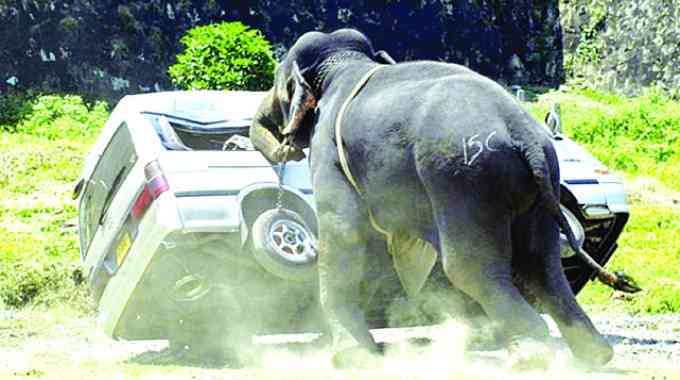
THE Kavango Zambezi Transfrontier Conservation Area (KAZA TFCA) is facing significant challenges of human-wildlife conflict, unsustainable resource use and habitat loss, putting pressure on the ecosystems that sustain the region's biodiversity.
KAZA is the world’s largest terrestrial transfrontier conservation area stretching across Angola, Botswana, Namibia, Zambia and Zimbabwe.
KAZA TFCA executive director Nyambe Nyambe highlighted the complexity of the challenges.
“Human-wildlife conflicts, unsustainable exploitation of wildlife resources and pressures on natural resources such as fisheries and forests are major concerns,” he said.
“Habitat loss and fragmentation only worsen these issues by disrupting animal migration patterns and increasing encounters between humans and wildlife.”
Nyambe, however, said KAZA remained committed to harmonising policies and practices across partner States to ensure coordinated conservation efforts.
He noted that significant progress has been made, including the first-ever synchronised elephant survey and the development of framework documents to promote policy alignment.
A key milestone has been the creation of KAZA’s legal hub, developed with support from the Sustainable Wildlife Management Programme.
- Zimcodd red flags wage erosion
- Village Rhapsody: Zimbabwe needs to reduce teen pregnancies
- Community trailblazers: Chipo Gozho: An inspiration to today’s women
- Sherwood Golf Club reopens for live shows
Keep Reading
The hub consolidates relevant legislation and policies, offering guidance to policymakers and stakeholders in wildlife and natural resource management.
Nyambe expressed gratitude for the support, describing the legal hub as a major deliverable for the Sadc TFCA performance assessment tool.
KAZA’s work aligns with the spirit of World Wildlife Day, which celebrates wild fauna and flora while raising awareness about threats like habitat loss and human-wildlife conflict.
Through cross-border co-operation and sustainable resource management, he said KAZA continued working to safeguard wildlife and promote coexistence between people and nature across the five partner nations.