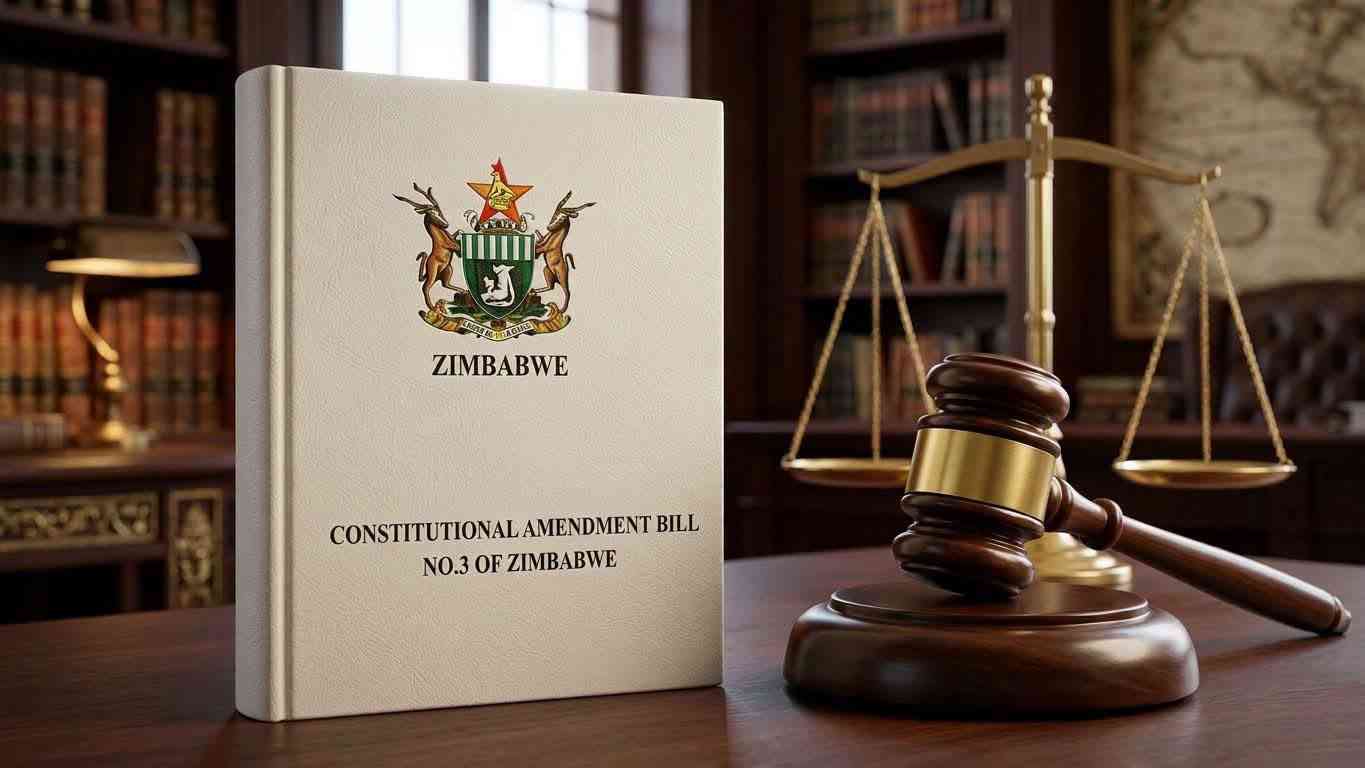
HARARE, Feb. 25 (NewsDay Live) – The Zimbabwean government has suspended the export of all lithium concentrates and other raw minerals with immediate effect, including consignments already in transit, in a sweeping move aimed at tightening mineral accountability and accelerating in-country value addition.
Mines and Mining Development Minister Polite Kambamura announced the directive on Wednesday, saying the suspension would remain in force “until further notice” as authorities restructure the sector to maximise value retention within Zimbabwe.
“The Minister of Mines and Mining Development wishes to advise all stakeholders that government has suspended the export of all lithium concentrates and raw minerals with immediate effect,” Kambamura said in a statement.
“This suspension includes all minerals currently in transit. To this effect, Zimra (Zimbabwe Revenue Authority), MMCZ (Minerals Marketing Corporation of Zimbabwe) and all regulators are advised to observe this suspension without exception.”
The ban on lithium concentrates was previously expected to come into effect in 2027.But the minister said the latest measures were taken in the national interest and called for cooperation from the mining industry.
Push for value retention
The move comes amid growing global demand for lithium, a critical input in rechargeable batteries used in electric vehicles and energy storage systems.
Last month, the African Development Bank ranked Zimbabwe as the world’s fifth-largest producer of lithium, underscoring the country’s strategic importance in the global battery minerals value chain.
- Society must change its negative perception on disability
- Entertainment galore as showbiz regains its spark
- DeMbare coach demands consistency
- A Chinese miner’s response to the raging investment question
Keep Reading
According to United States-based financial markets platform Trading Economics, lithium carbonate futures climbed above US$21 500 per tonne last month, marking nearly a 30% increase since the start of the year and reaching a two-year high on firm demand for battery and power-storage technologies.
However, those elevated prices largely apply to refined lithium chemicals. Zimbabwe predominantly exports spodumene ore and lithium concentrates, meaning it captures only a fraction of the mineral’s potential value.
Government officials say the latest directive is intended to restructure exports toward higher-value refined products, enabling the country to secure stronger pricing and boost export revenues.
“The ministry remains committed to ensuring transparency, in-country value addition and beneficiation, compliance with mining legislation, and accountability in the exportation of Zimbabwe’s mineral resources,” Kambamura said.
Tighter export controls
Under the new framework, only mining companies holding valid mining titles and approved beneficiation plants will be authorised to export minerals. Agents and third-party traders will not be permitted to export on behalf of title holders.
In addition to standard documentation, applicants for export permits must now submit a recommendation letter from the relevant provincial mining office clearly stating their beneficiation capacity and compliance status with ministry regulations and statutory requirements.
Applicants are also required to declare the mineral composition of each export consignment. The ministry has reserved the right to test consignments at any time to verify declared content.
“All stakeholders are advised that Zimra, MMCZ and other regulatory authorities will strictly enforce these requirements,” Kambamura said. “Any mineral exports not supported by valid export permits and complete documentation shall be denied clearance and confiscated to the State.”
He warned that continued use of an expired or already exhausted export permit constitutes a serious offence that could result in withdrawal of export permits and even mining rights.
The ministry said it would engage industry players in the near future to clarify new expectations and the way forward, pledging continued dialogue to ensure smooth implementation.
Chinese firms dominate sector
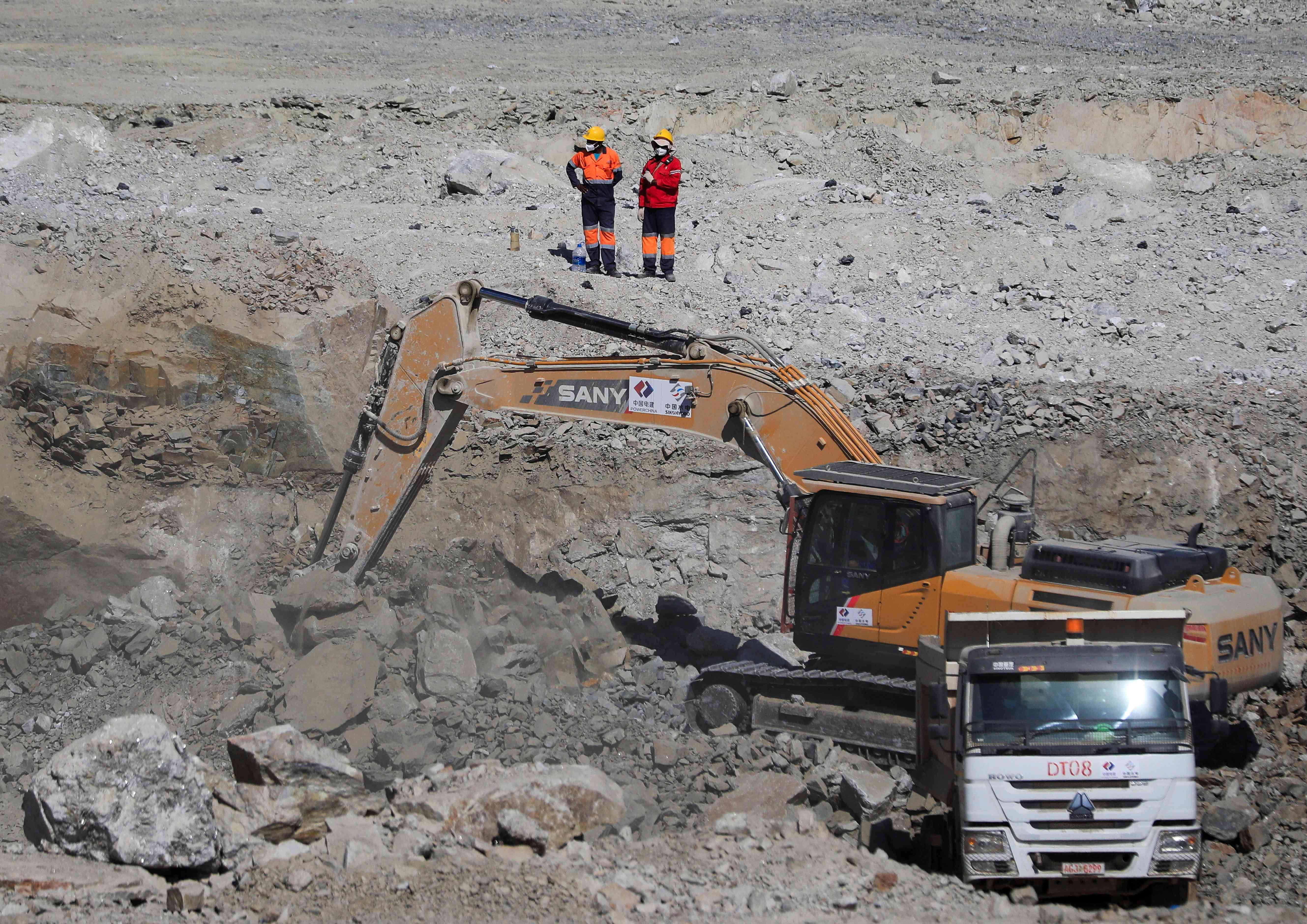
Zimbabwe’s lithium boom has attracted significant foreign investment, with Chinese firms controlling several of the country’s top-producing assets.
Sinomine Resource Group operates Bikita Minerals, one of the country’s oldest lithium mines. Zhejiang Huayou Cobalt controls the Arcadia lithium mine, while Suzhou TA&A Ultra Clean Technology has invested in Premier African Minerals.
Analysts say the suspension could have significant implications for these operators, particularly if government insists on accelerated investment in local processing facilities.
The Chamber of Mines of Zimbabwe projects lithium output this year at between 3,5 million and 3,65 million tonnes, reflecting strong production growth in recent years.
Whether the export suspension translates into rapid downstream investment remains to be seen. For now, government has signalled a decisive shift from a volume-driven export model toward a beneficiation-led strategy designed to ensure Zimbabwe derives greater economic value from its vast lithium reserves.