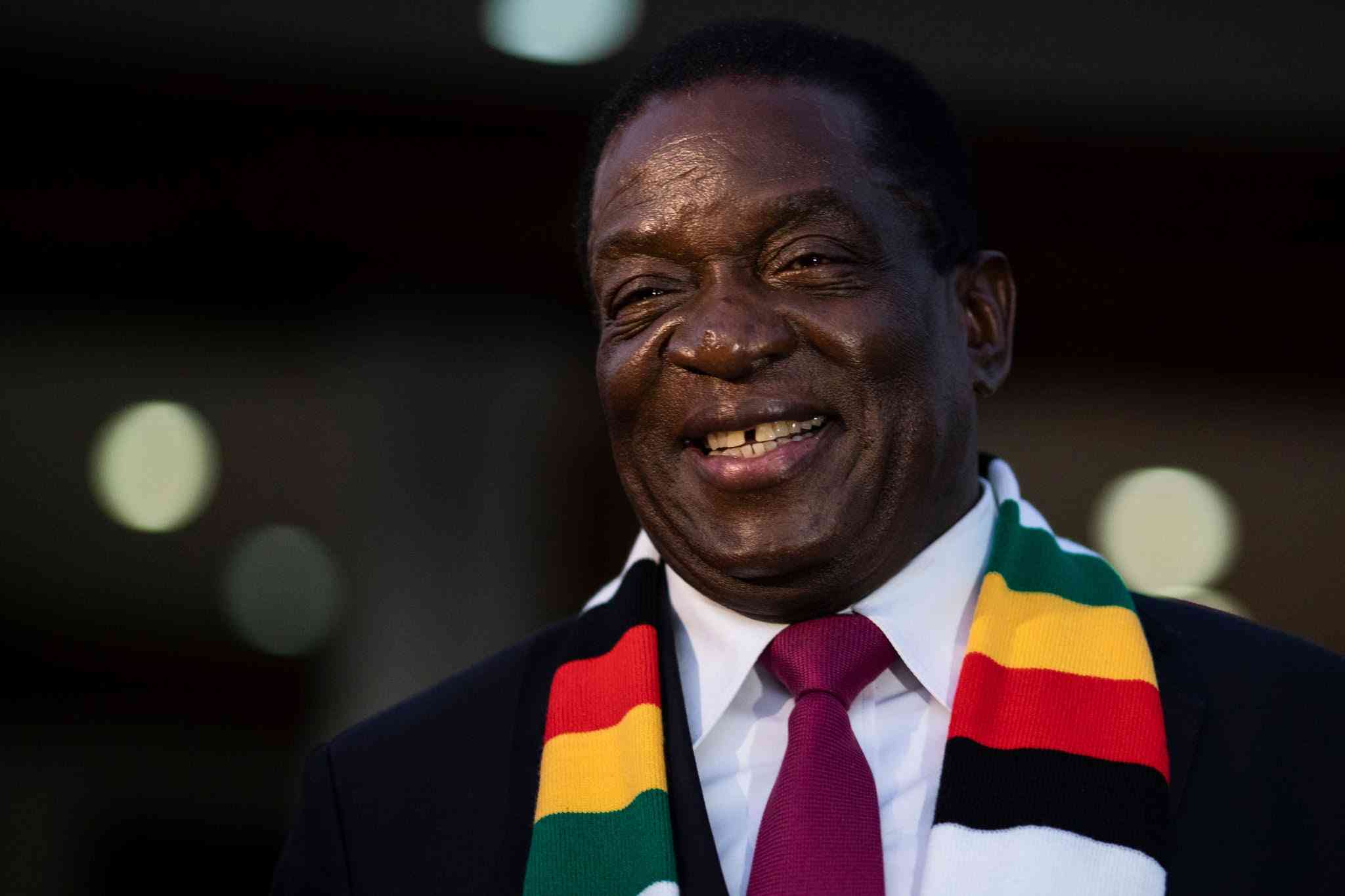
HARARE residents and advocacy groups have raised alarm that a landmark report exposing corruption within the City of Harare may be shelved indefinitely, following a prolonged silence from President Emmerson Mnangagwa’s office since the document was submitted.
The Justice Maphios Cheda commission of inquiry, established by Mnangagwa in May last year to investigate the capital city’s management and financial systems, handed its findings to the President in June.
However, no action has been taken, leading to fears that the report will suffer the same fate as the unpublished Justice Tendai Uchena Commission report on urban land barons.
Harare Residents Trust (HRT) director Precious Shumba expressed frustration over the delay.
“Unfortunately, the President has not found the rot in the City of Harare worth exposing and taking corrective action against everyone implicated,” Shumba said.
“The HRT urges the Office of President and Cabinet to do the needful and protect ratepayers’ funds and assets from continued pillaging by corrupt councillors and officials, especially the directors, who have taken turns to act irresponsibly towards the stewardship of public resources.
“Urgent action must be taken on every issue raised and verified during the commission of inquiry.”
Shumba expressed fear that the Justice Cheda report was for grandstanding purposes.
- Byo armed robber in court
- Woman jailed 12 years for indecent assault
- Magistrate jailed 3 years for abuse of office
- Zim’s poor batting hands India series
Keep Reading
“These reports mean a lot to ending the rot in our local authorities,” he said.
“Justice Tendai Uchena investigated the issue of land barons in urban areas and peri-urban settlements.
“However, the report has remained unpublished.”
Combined Harare Residents Association (CHRA) director Reuben Akili also expressed similar fears.
“To CHRA, it’s very probable ... what is needed is real, strong institutions and local government reform, to ensure that there is transparency and accountability,” Akili said.
He argued that the problem is systemic and goes beyond individual officials, emphasising that a strong institutional framework is essential to force compliance with rules and norms.
“Coming up with the commission, probably people thought that the commission was going to resolve the problem.
“So that was the perception from those who were going to the commission.”