AUTHORITIES at the government-run Chipadze Rehabilitation and Detoxification Centre in Bindura have expressed concern over rising cases of clients presenting an addiction to illicit brews flooding the market.
Speaking to journalists during a tour of Mashonaland Central province on Monday this week, a registered general nurse at the institution, Tatenda Mutizira, said most of the cases involved illicit substances, known as kambwa, cannabis and crystal meth.
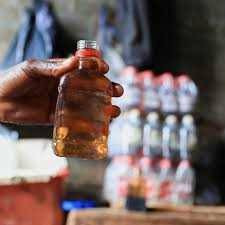
“They are taking the strong stuff which they buy for US$0,50. That is the one they are using the most. Other drugs like cannabis and crystal meth are also common and are not easy to detoxify compared to the illicit brews,” she said.
“What we strive to do here is to restore their functioning because drugs actually alter the function of the brain.
“Thus usually our clients would have no sense of reasoning. Sometimes they will have no sense of being, no sense of self.”
Bindura Provincial Hospital medical superintendent Budirirai Gwagwa said they had recorded over 140 admissions since inception.
The provincial hospital oversees the daily operations at the rehabilitation centre.
“In terms of successes, we have managed as most of our clients have positively completed the three-month period we offer them for rehabilitation here,” Gwagwa said.
- Calls for drug laws reform grow louder
- Village Rhapsody: Soaring drug abuse cases worrisome
- Calls for drug laws reform grow louder
- Hardships, stress spawn drug abuse in Zimbabwe
Keep Reading
“We also ensure that they are reintegrated into society and equipped with skills to be fully employed or to have skills to look after themselves in a bid to lessen chances of them relapsing into substance and alcohol abuse.”
Chipadze Detoxification and Drug Rehabilitation Centre in Bindura was officially opened in July 2023, as the first government stand-alone drug addiction treatment Centre.
The 24-bed centre offers home visits, long-term residential stay, family therapy, community reintegration, occupational therapy, group therapy interventions and referral system for support group services.
According to research, drivers of drug abuse include peer pressure, broken families, emotional and physical abuse, and curiosity, often resulting in addiction.