THE ordinary dusty roads of Chikangwe, winding their way to one of the oldest learning institutions, Tambawadya Primary School, tell a quiet but powerful story — one of humble beginnings that have shaped individuals of national stature.
This is the same school that nurtured figures like Gibson Mahachi, a renowned football administrator and manager, among others who have gone on to leave a mark.
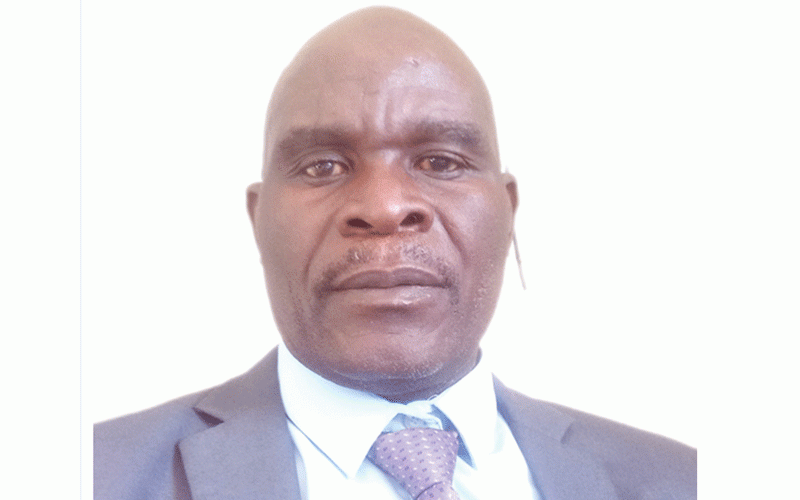
Karoi, a small farming town in Hurungwe district in Mashonaland West, continues to add to its legacy of achievement. Recently, it found pride on the national stage through the National Arts Merit Awards (Nama), where a story of perseverance and passion emerged in the name of writer and educator Shakemore Dirani.
Dirani earned a nomination for the prestigious awards for his children’s book, The Old River Woman — a work that reflects both imagination and cultural depth.
His journey is a testament to dedication and community influence. Growing up in Chikangwe, Dirani drew inspiration from the stories of elders and the rich cultural heritage of his people.
"We learn from the past, the present and plan for the future. Old woman resemblance to commitment, resilience that pays,” the author recalls.
My bond with Dirani dates back to our childhood days at Tambawadya Primary School. Back then, we could not have imagined the paths we would take in the world of art — because, indeed, journalism is an art form in its own right.
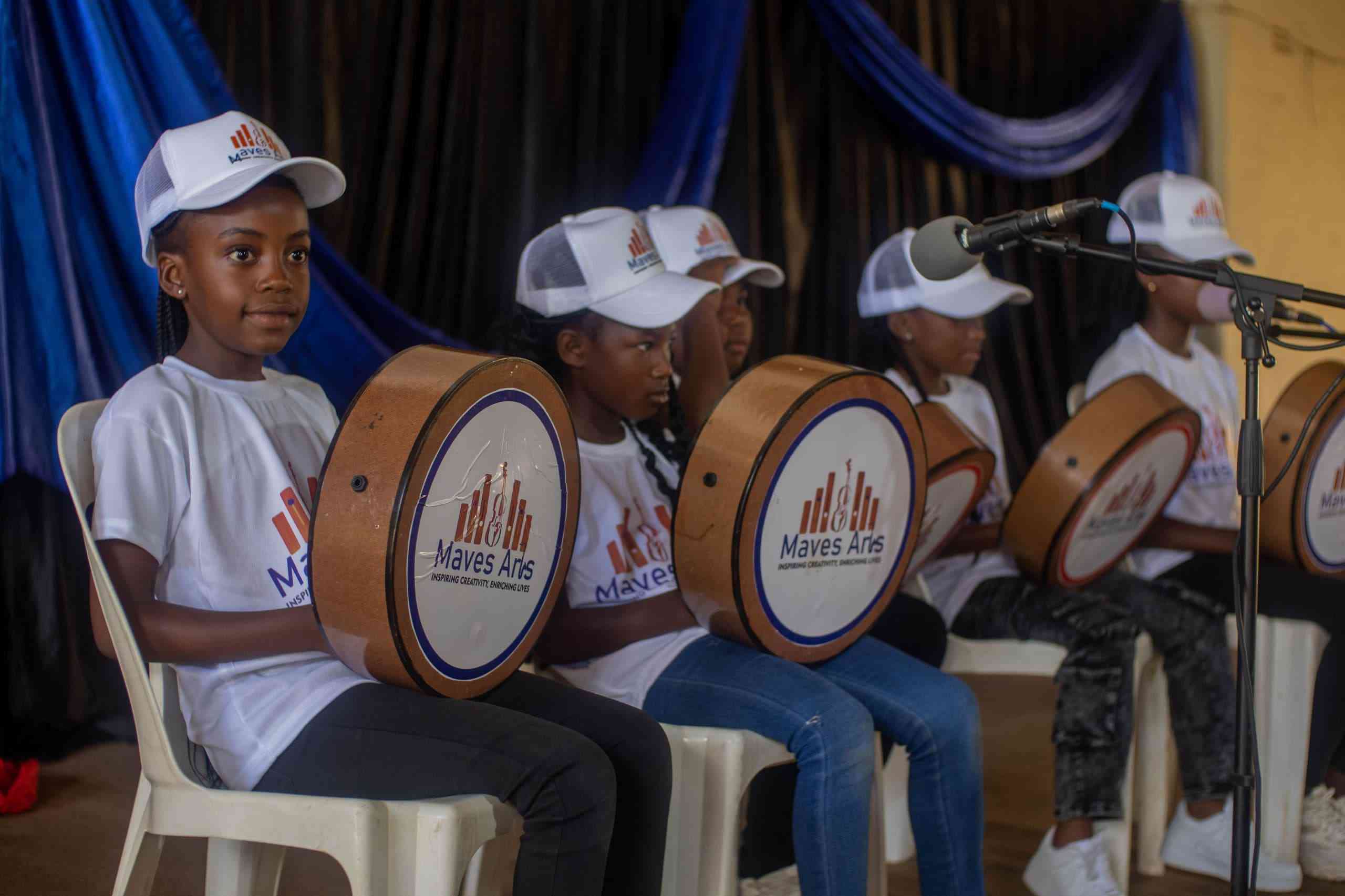
Our paths crossed again at the Hurungwe Arts Festival in 2023, held at Chikangwe Hall. The event brought together artists from across the region, including Zambia, Kenya and Malawi, in a vibrant showcase of performances and exhibitions.
- Afrophobia: Can some in ANC stand up
- Chief sucked in woman disappearance case
- Gospel diva launches album in style
- Lack of mental health information has dire consequences
Keep Reading
Among the notable contributors was Jacob Mapara, who led the Hurungwe Intangible Cultural Heritage (ICH) research project funded by Unesco. He emphasised the importance of preserving Korekore cultural values, noting that the initiative was making significant strides in documenting and safeguarding the community’s heritage.
True to his calling, Dirani remained focused and humble, especially as he engaged with children — the very audience that defines much of his literary work.
His session on nhodo as a tool for social cohesion resonated with the young audience, inspiring them to explore their own creativity.
As a young boy, Dirani was drawn to the world of words, influenced by Zimbabwean literary giants like Chenjerai Hove and Dambudzo Marechera, as well as international icons like William Shakespeare.
“I have endeavoured to create competitive games with a Zimbabwean flavour. However, my games have hit a brick wall due to a lack of sponsorship. Fortunately, writing remains part of my commitment," he told NewsDay Life & Style.
Despite challenges, Dirani persevered, writing in Shona and English and publishing books like Your Way My Way and The Twins.
His poems are featured in anthologies like Zviri Muchinokoro and Maungira eDzimbahwe.
Dirani's commitment to his craft is rooted in his community. "I view myself as a Sheikh, an authority not of religious matters but of literary works,” he says.
In a world where talent often goes unrecognised, Dirani's story is a beacon of hope. His Nama nomination is a celebration of his dedication to promoting literacy and cultural heritage in Hurungwe.
“The world is now a global village due to technology. I'm happy to be part of it while I impart writing skills to the young generation from the society that raised me,” he says.
The author’s notes are a caricature of the homecoming of a Hurungwe writer who may motivate the new generation grappling with drug and substance abuse to move into art and literature.