IN the quiet of an artist’s studio, the echo of chisel on stone, the hum of a mixing console, or light falling across a painter’s canvas, something deeper than craftsmanship emerges.
These creative moments speak of a nation in transition, striving to convert artistic passion into sustainable livelihoods and transform cultural heritage into viable exports.
Zimbabwe’s arts sector is entering a new era, one in which artists are no longer viewed solely as cultural custodians, but as economic agents.
With the 2025 China-Africa Forum set to take place in Zhejiang, a critical question arises: can Zimbabwe’s creative industries secure the investment, partnerships and policy support needed to thrive on a global scale?
The forum offers a timely opportunity to showcase not just Zimbabwe’s natural resources, but its stories, imaginations and creative capital. Several visual artists, especially from the Chitungwiza Arts Centre, say the China Corridor has given them a new lease of life.
Recent strategic efforts indicate that Zimbabwe is ready to strengthen its creative ties with China. At the recently held Harare Africa Research Forum where the book Chinese Path to Modernisation: Eyewitness Accounts from the Countryside, edited by Zhao Yuezhi, was launched.
National Arts Council of Zimbabwe (NACZ) chief executive officer Napoleon Nyanhi expressed a desire to broaden Sino-Zimbabwe cultural collaboration.
This vision extends beyond music and live performance to include film, fashion, television and visual arts. Nyanhi emphasised NACZ’s intent to uplift rural arts through targeted programming and outreach.
- Lithium exports to surpass gold, says Zida chief
- Our investment puts Zim on global map: Chinese firm
- Lithium miner to start exports
- Candid Comment: Zim must be sincere on lithium ban
Keep Reading
Zimbabwe’s cultural ecosystem is far from monolithic. It is a dynamic mosaic comprising visual arts and sculpture, dance, music, theatre, film, literature, crafts and hybrid disciplines.
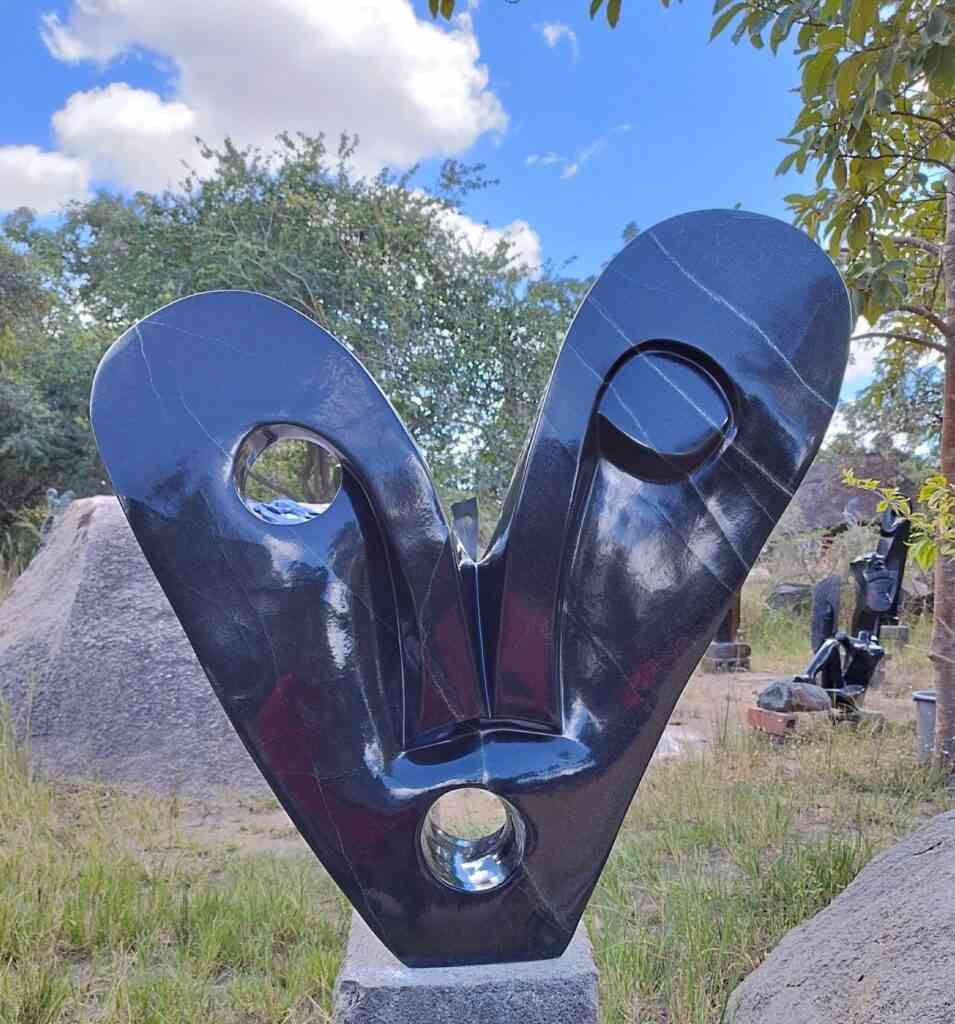
Across these diverse domains, a common rhythm of aspiration, constraint and gradual growth is emerging. The country's internationally-renowned stone sculpture tradition continues to garner attention, with artists like Dominic Benhura, Tendai Gwaravaza, Chango Chitoko and Richard Mupumha leading the way.
While national galleries in Harare, Bulawayo, Mutare and Victoria Falls anchor the visual arts, innovation is also expanding into mixed media, urban installations, ceramics and textiles.
Craft exports are gaining momentum. In 2023, the sector recorded nearly US$10 million in exports, almost double the figures from just a few years ago. Yet, challenges remain as localised markets, inconsistent product standards, underdeveloped branding and logistical barriers continue to limit broader commercial potential.
A significant milestone has been the launch of Zimbabwe’s Film and Television Strategy (2025-30).
Declaring 2025 as the Year of Film, the strategy seeks to modernise production processes, nurture emerging talent and position Zimbabwean cinema for regional and global competitiveness.
However, infrastructure constraints such as lack of studios, post-production facilities and equipment — alongside limited financing — remain pressing challenges.
Notable events this year include the celebration of the Chinese New Year, the issuance of scholarships to study at the Confucius Institute, and the China-Zimbabwe Film Festival.
Institutionally, Zimbabwe has laid solid foundations.
The Culture and Creative Industries Strategy (2020-30), launched by the Youth, Sport, Arts and Recreation ministry, aims to guide and support the sector’s growth.
This is further bolstered by complementary strategies, including the national music strategy and the film and TV strategy, supported by a network of provincial arts councils under NACZ.
China continues to play a significant role in Zimbabwe’s cultural diplomacy.
The Dreamstar talent search programme, active for over a decade, has facilitated artist exchanges and cultural learning.
Institutions like the China-Zimbabwe Exchange Centre are critical in maintaining these bridges.
Moreover, the recent inauguration of the China-Africa Joint Research Centre for Exchanges and Mutual Learning Between Civilisations in Harare underscores both countries’ commitment to deeper cultural ties.
In this context, the 2025 China-Africa Forum becomes a pivotal moment for Zimbabwean cultural stakeholders.
It presents a rare platform to propose infrastructure projects, initiate co-productions and create trade linkages in crafts, film, design and heritage tourism. Zimbabwe’s cultural industries are at an inflection point.
With policy frameworks, institutions, grant programmes and artist networks in place, the foundation is stronger than ever.
However, converting this momentum into long-term sustainability requires a sharper focus on market access, cross-border
investment and global competitiveness.
If this transformation is realised, every mural painted, every film produced, every sculpture carved or poem recited, becomes more than an artistic expression — it becomes income, identity, diplomacy, and hope.
And in that transformation, culture does, indeed, become currency.