IF 95 deaths in one of the country's worst recent disasters don’t warrant a national day of mourning, what does?
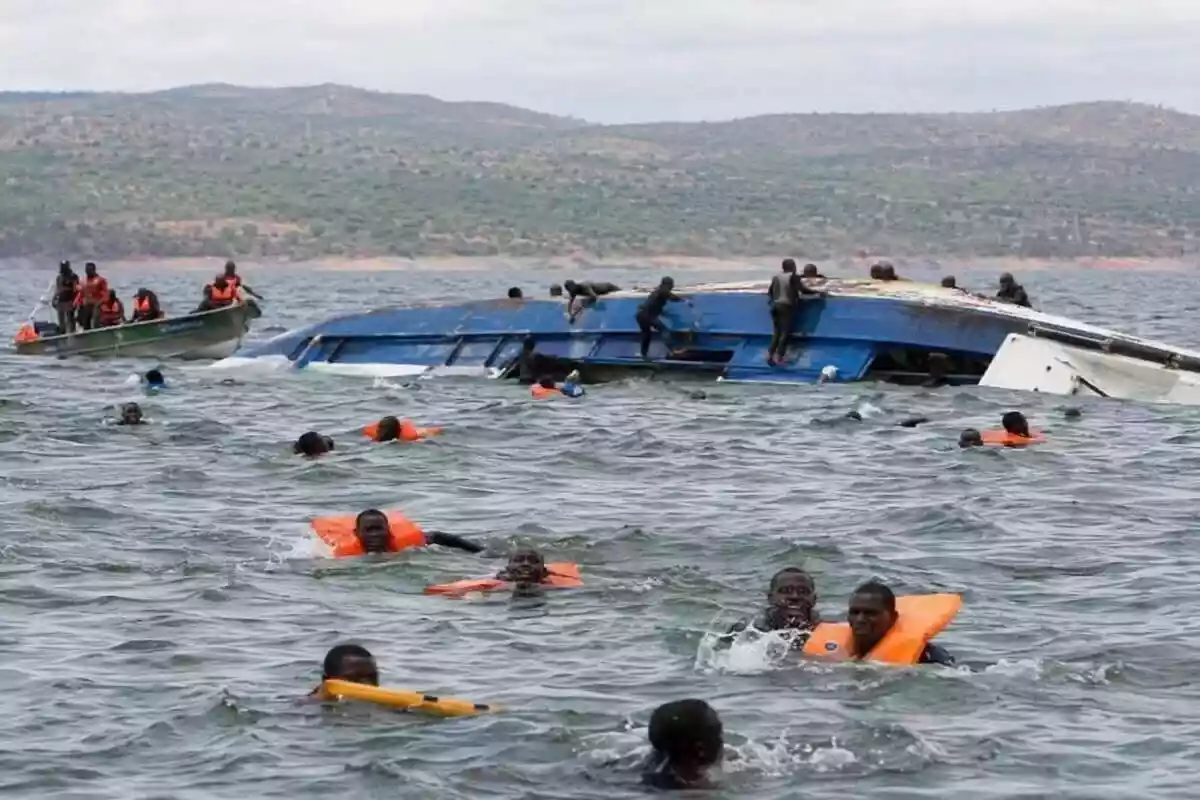
That is the question citizens are asking after the Mbuya Nehanda ferry — carrying far more passengers than its authorised capacity — capsized on Lake Kariba last week, becoming one of Zimbabwe's worst maritime disasters.
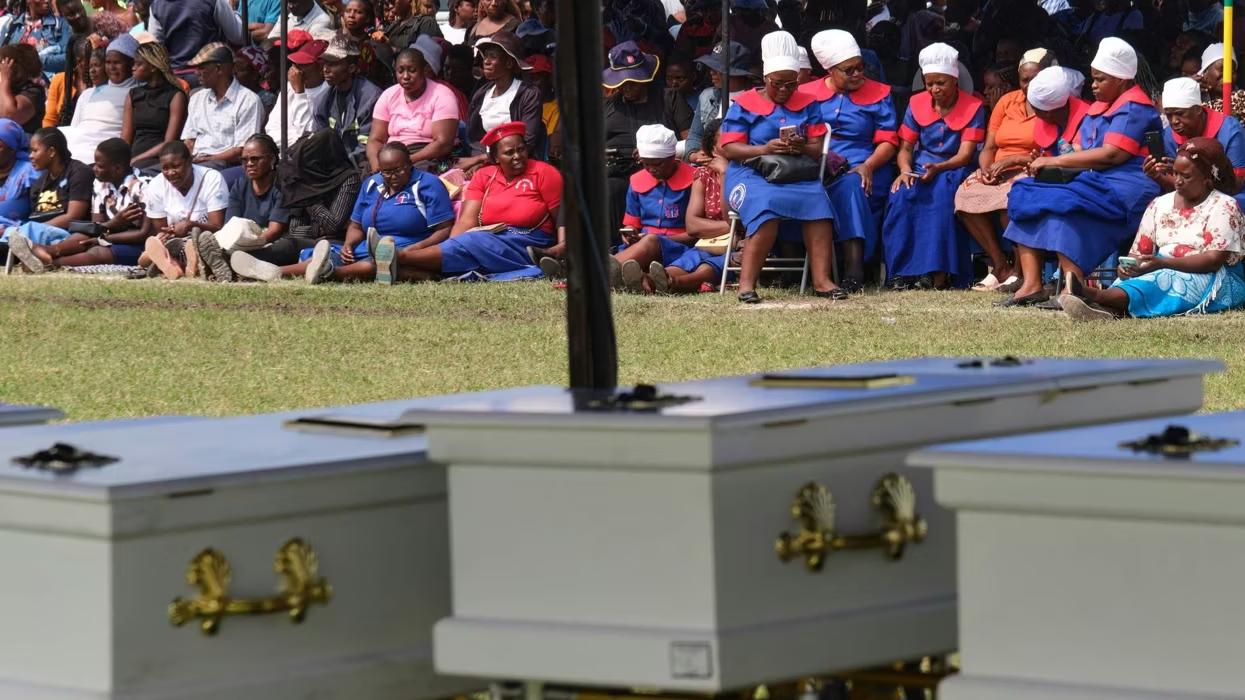
Grief has reverberated across the country as families mourn children, brothers, mothers, fathers, sisters and grandparents. For victims' families and survivors, the trauma will endure long after the headlines fade.
President Emmerson Mnangagwa declared the tragedy a state of disaster, mobilising resources for victims’ families and survivors. He must now go a step further and declare a national day of mourning.
Such a day is not merely symbolic. It is when a nation pauses to acknowledge an extraordinary loss of life and stands with those grieving. The dead were people whose families expected them home. Instead, relatives identified bodies and buried loved ones under circumstances that should never have happened.
The toll may still rise. Some remain missing, leaving families trapped in uncertainty, without the closure they need.
Condolences have poured in from as far as the Vatican — proof that this was no ordinary accident. A national day of mourning sends a powerful message: every Zimbabwean life matters.
Serious questions remain about the ferry's capacity, safety standards and oversight. An independent investigation must answer them. But before the investigation, before the well-worn promise that “lessons will be learnt”, there must be grief.
- Title rivals face tough weekend
- Interactive feedback : In pursuit of a non-binary narrative
- DeMbare, FC Platinum fight for Chibuku Cup
- ZVDT laments lack of development in Zambezi Valley
Keep Reading
The families of the dead need practical assistance, psychological support and justice. The public needs answers. The country needs a moment of collective reflection.
Zimbabwe has repeatedly shown it can mobilise nationally when it chooses to. A national day of mourning costs little. What it requires is leadership — and it would be an act of solidarity with communities around Kariba, particularly families who lost several members at once.
How can the rest of the country go about its business as though nothing happened?
A day of mourning won't bring back a single victim, heal grieving families or answer the hard questions surrounding the disaster. But it would say: “We see you, we grieve with you, your loss is our loss”.
Perhaps that is exactly what Zimbabwe needs.
We should not wait for 100 deaths. We should not wait for every missing person to be accounted for. Ninety-five is already too many — one death is too many when it could have been prevented.
The government must declare a national day of mourning for the victims of the Mbuya Nehanda ferry disaster. And when the flags are raised again, work must begin: establish what went wrong, hold those responsible to account, fix the safety failures and ensure no other family watches a loved one board a ferry and never return home.
A nation is judged not only by how it celebrates its successes, but also by how it stands with its people in their darkest hour.
Zimbabwe must stop. Zimbabwe must mourn. And Zimbabwe must demand answers.