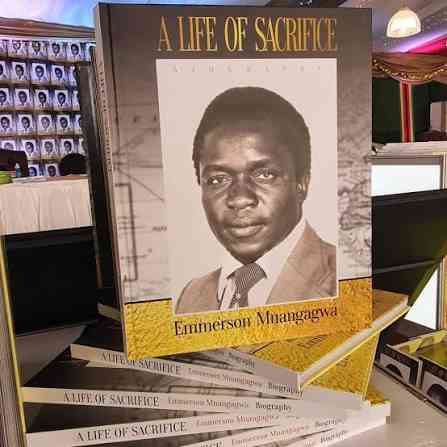
THE government’s directive compelling local authorities to purchase President Emmerson Mnangagwa’s biography, A Life of Sacrifice, is more than a questionable administrative instruction—it is tantamount to cultivating a cult of personality within public institutions.
In a country where towns and cities struggle to provide clean water, repair roads, manage waste and sustain basic public health services, directing councils to spend scarce public funds on a political biography is both tone-deaf and deeply troubling. Local authorities exist to serve residents, not to bankroll the elevation of political figures.
Biographies are, by their nature, personal narratives intended for voluntary readership. People choose to read them out of curiosity, admiration, or historical interest. Turning such a book into a compulsory purchase for public institutions crosses the line from recognition into coercion.
More troublingly, it signals that civil servants must now participate — directly or indirectly — in amplifying the image of a sitting president. That is the very architecture of a personality cult: when state structures are mobilised to promote and glorify an individual leader rather than uphold institutions.
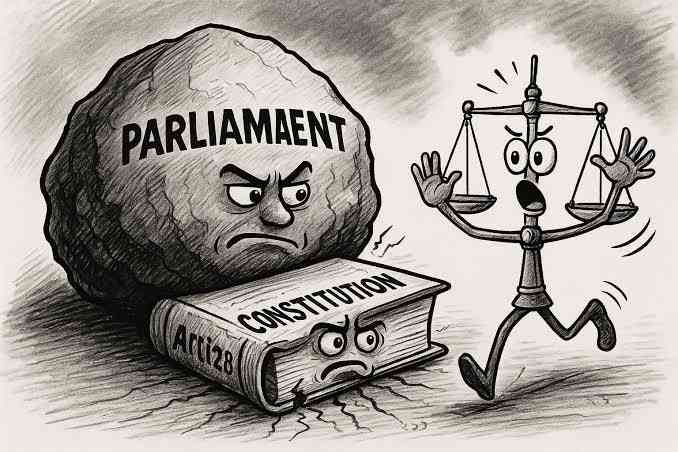
Zimbabwe’s public institutions should remain politically neutral spaces dedicated to service delivery and accountable governance. When those institutions are directed to participate in symbolic acts that elevate one leader above the state itself, their independence and credibility are compromised.
History offers sobering lessons about where such tendencies can lead.
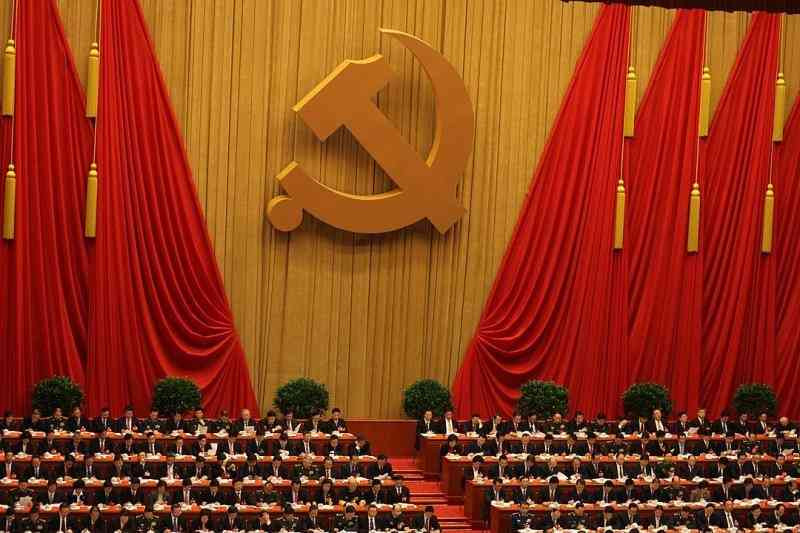
In China, the works of Mao Zedong — particularly the famous Quotations from Chairman Mao Tse-tung, widely known as the Little Red Book — were aggressively promoted and, in many cases, treated as compulsory reading during the Cultural Revolution. Citizens were expected to quote from it as proof of ideological loyalty.
In Libya, former leader Muammar Gaddafi’s The Green Book was elevated to near-doctrinal status, forming the ideological backbone of the State and permeating schools, universities and government institutions.
- The gods must be crazy
- Addressing unfair trade key to transforming African food systems
- Athletics team buzzing after Mauritius heroics
- Urgent economic structural transformation necessary
Keep Reading
In Turkmenistan, the late president Saparmurat Niyazov authored the Ruhnama, which was elevated to a quasi-sacred national text. It was compulsory in schools, required reading for government employees and even used in driving licence examinations. At one point, the book was reportedly ranked second only to the Quran in national importance.
These examples illustrate how the line between legitimate political leadership and personality cults can blur when the machinery of the State is used to promote the writings or image of those in power.
Zimbabwe must tread carefully.
The directive also fits into a broader pattern of attempts by loyalists to entrench a heroic narrative around Mnangagwa. From the renaming of a major Harare interchange after his wartime moniker, Trabablas, to the unofficial promotion of his birthday as Munhumutapa Day, these gestures collectively suggest a push to craft a mythology around a living leader.
Roads have been renamed after him, and the national development blueprint — Vision 2030 — has increasingly been personalised around Mnangagwa, with loyalists suggesting that no one else could carry the agenda forward.
Yet no amount of symbolic gestures, renaming ceremonies, or compelled book purchases can substitute for the fundamentals of leadership: delivering services, strengthening institutions and upholding the Constitution.
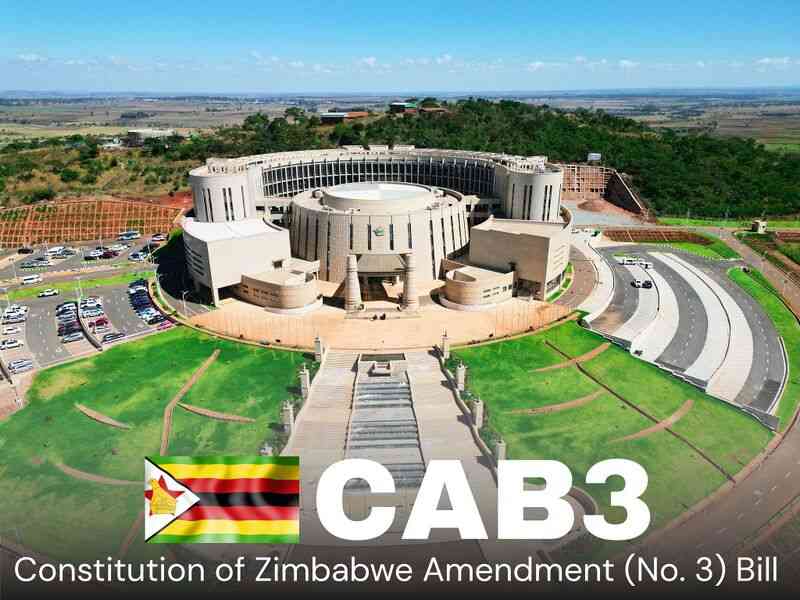
Zimbabwe’s governance framework—particularly the principle of devolution — requires that local authorities retain autonomy over their priorities and resources. Redirecting public funds toward projects of political symbolism undermines that principle and weakens the spirit of democratic governance.
Ultimately, leaders who command genuine respect do not need to mandate admiration through administrative directives. Their legacy is written through performance, accountability and the strength of the institutions they leave behind.
Zimbabweans deserve leadership focused on roads, water, sanitation and economic opportunity — not a political culture edging toward elevating one man above the State.