THREE Midlands State University (MSU) students — Milton Muchayana (21), Anenyasha Moyo (22) and Langton Muhoma (22) — are facing serious charges of subverting a constitutional government after allegedly distributing fliers opposing reported manoeuvres to extend President Emmerson Mnangagwa’s term beyond 2028.
The trio, arrested on August 8 at the MSU Gweru campus, is accused of producing 12 fliers that carried messages such as “Call for rebellion against 2030 vision” and “If humanity must thrive, then individuals are compelled to outmanoeuvre others”.
Prosecutors claim these statements were meant to incite public violence — a charge that falls under section 22(2) of the Criminal Law (Codification and Reform) Act, with an alternative count of incitement to commit public violence.
Yet, this case once again raises a troubling question: where does free expression end, and “subversion” begin?
The right to protest is not a privilege granted by the State; it is a constitutional guarantee.
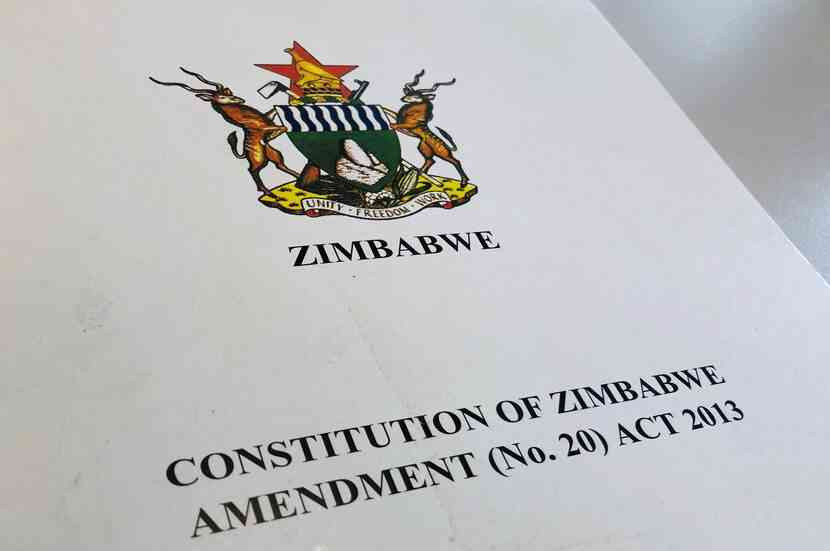
Let us be clear: the Constitution of Zimbabwe is unambiguous on this matter.
Section 59 guarantees every citizen the right to demonstrate and present petitions peacefully.
This right is reinforced by section 58, which protects freedom of assembly and association.
- Unpacking environmental laws for real estate in Zimbabwe
- Village Rhapsody: Govt must ensure that devolution works
- Unpacking environmental laws for real estate in Zimbabwe
- Gukurahundi public hearings: A breakthrough or a political gimmick?
Keep Reading
These provisions were not accidental inclusions; they were deliberate safeguards put in place to prevent exactly the kind of overreach we are witnessing.
Yet, admittedly, no right is absolute.
Section 86 allows for certain limitations if they are “fair, reasonable, necessary and justifiable in a democratic society”.
Arresting students for expressing dissenting political views, however provocative, is none of these things.
It is repression dressed in the robes of legality.
Using broad, politically-charged laws to stifle dissent, as appears to be happening here, undermines the very democracy the Constitution seeks to protect.
The Maintenance of Peace and Order Act, which replaced the Public Order and Security Act, was supposed to strike a balance between maintaining order and respecting freedoms.
Instead, it has often been wielded as a tool to intimidate activists, opposition members, journalists and rights defenders.
Those who rush to defend such arrests under the guise of “law and order” or “protecting the State” are missing the bigger picture.
They misunderstand both democracy and patriotism.
They are not protecting the law — they are selectively applying it.
A government confident in its legitimacy does not fear students with fliers.
It listens, engages and defends its record with reason — not with handcuffs.
What we are witnessing is not the enforcement of law, but the weaponisation of law — a tactic known as lawfare — the use of the legal system to punish critics and suppress dissent.
Lawfare is fast becoming the regime’s preferred weapon.
It is selective, vindictive and corrosive to the rule of law.
When the legal system becomes an instrument of political vengeance, justice becomes the casualty.
Silencing students, journalists or activists does not strengthen national security.
It weakens the moral authority of the State and erodes public trust in justice.
If Zimbabwe is truly a democratic society guided by its 2013 Constitution, then it must uphold — not criminalise — peaceful expression.
Because in a democracy, disagreement is not treason.
Democracy is not strengthened by silencing dissent.
It is strengthened by allowing citizens, young and old alike, to speak truth to power without fear.