FINALLY, there is tangible relief for Zimbabwe’s over-stretched health sector.
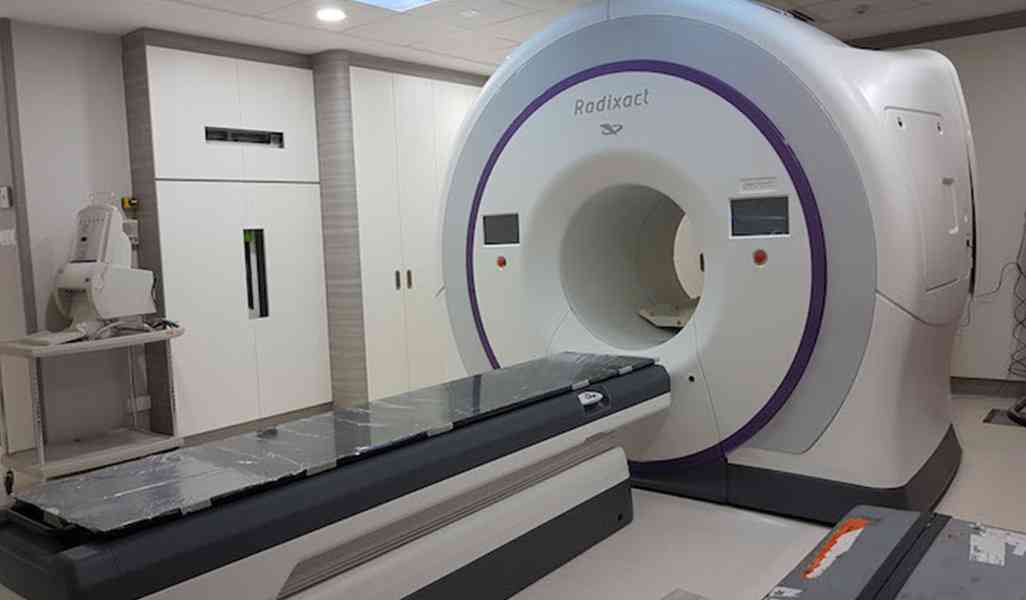
The two long-awaited cancer treatment machines have arrived in the country and are awaiting installation, one at Mpilo Central Hospital in Bulawayo and the other at Parirenyatwa Group of Hospitals in Harare.
For thousands of cancer patients and their families, this development offers renewed hope in a system that has for years forced many to seek life-saving treatment at private institutions or beyond the country’s borders.
For too long, cancer care in Zimbabwe has been the preserve of a few who could afford it.
Private treatment costs are astronomical, placing effective care far beyond the reach of ordinary citizens.
This reality is particularly harsh in an economy dominated by informal employment, where incomes are uncertain and irregular.
Even those in formal employment are hardly better off, earning wages that can barely sustain a family of five for two weeks.
In such circumstances, the diagnosis of cancer often becomes a financial death sentence long before it becomes a medical one.
- Manatsa widow burial tomorrow
- Parirenyatwa in fresh negligence storm
- Minor electrocuted at agric show
- Opinion: Corruption a threat to viability of health systems
Keep Reading
Against this grim backdrop, the arrival of the machines is a milestone worth acknowledging.
It gives meaning to the controversial sugar tax, officially known as the special surtax on sugar content, introduced in February 2024.
The levy was designed as a public health intervention to curb the consumption of sugar-sweetened beverages, while generating revenue to fight non-communicable diseases such as cancer, diabetes and obesity.
According to government figures, the tax had raised US$30,8 million by December 2024, part of which was used to procure the cancer treatment equipment.
This linkage between taxation and health outcomes is commendable.
Citizens are more likely to accept additional taxes when they can clearly see where their money is going and how it improves their lives.
However, this must not end with the procurement of a few machines.
Chitungwiza Central Hospital needs one, so as Sally Mugabe Central, Gweru Provincial, Victoria Chitepo Provincial, Masvingo Provincial, Gwanda Provincial, Chinhoyi Provincial and all the other major hospitals.
As well, there is an urgent need to ring-fence all health-related taxes and ensure they are strictly channelled towards strengthening the health sector.
Without transparency and discipline, well-intentioned levies risk becoming just another revenue stream lost in the murky waters of general expenditure.
The bigger picture, however, exposes a deeper and more troubling failure.
Zimbabwe is a signatory to the 2001 Abuja Declaration, under which African Union member States committed to allocating at least 15% of their national budgets to health.
More than two decades later, this target remains largely unmet.
Zimbabwe, like many other countries, has consistently fallen short, even as hospitals crumble, equipment becomes obsolete and skilled health professionals leave in droves.
The irony is painful.
While the new machines are being celebrated, many public hospitals still lack basics such as medicines, gloves, functional beds and adequate staff.
Cancer treatment does not begin and end with machines alone; it requires trained personnel, reliable power supply, consistent maintenance and supportive services that are often taken for granted elsewhere.
Zimbabwe should not merely aspire to meet the Abuja target; it should lead by example.
Meeting or surpassing the 15% allocation sends a strong signal that health is a national priority rather than a peripheral concern.
It would also reduce the need for crisis-driven interventions and emergency fund-raising exercises every time the system threatens to collapse.
The procurement of the cancer treatment machines is, without doubt, a step in the right direction.
But it must be followed by sustained investment, accountability and political will.