LOCAL Government and Public Works minister Daniel Garwe is right to speak out against the growing menace of so-called “sabhuku deals”.
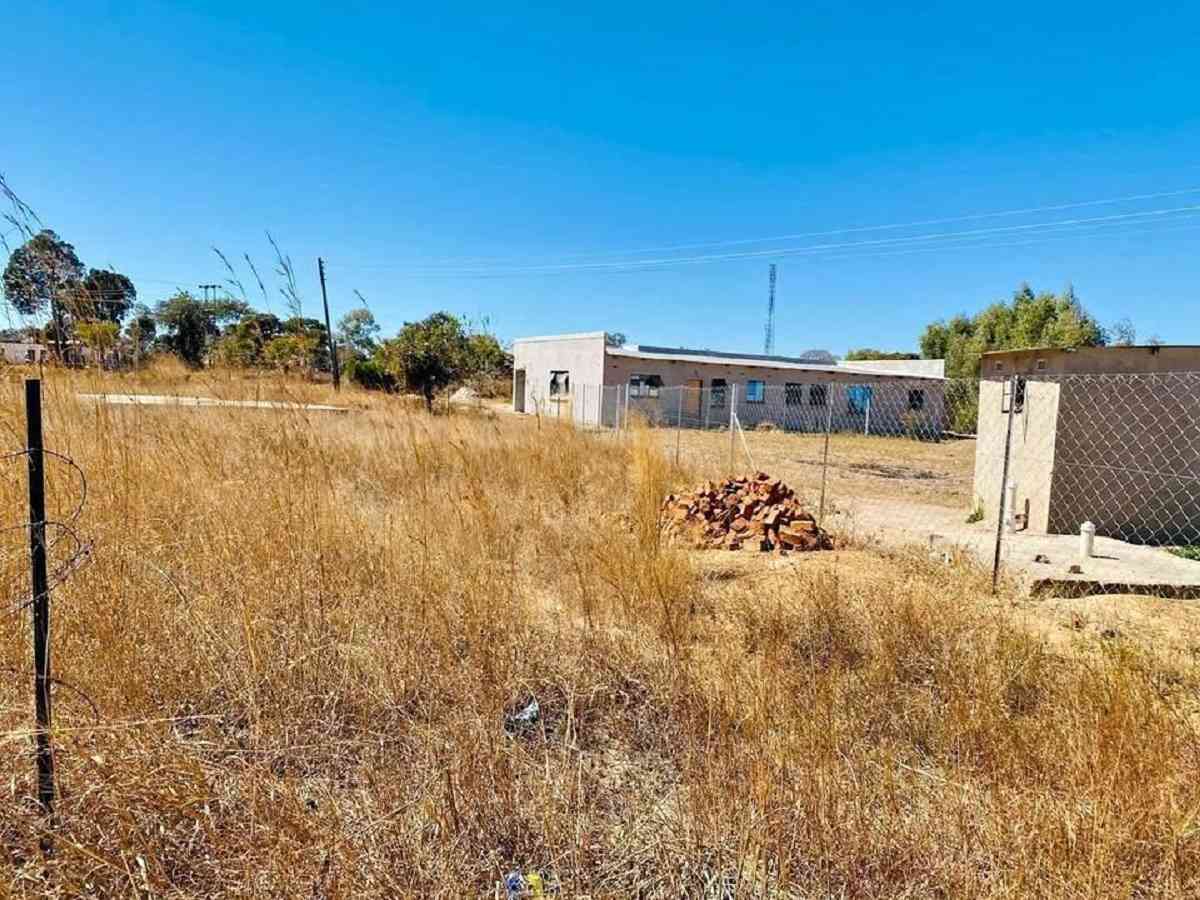
The illegal sale and occupation of land, particularly in peri-urban and rural areas, has become rampant, leaving thousands of families exposed to eviction, loss of savings and endless insecurity.
But while condemnation is necessary, it is not sufficient.
Sabhuku deals are not the disease; they are a symptom of a deeper, long-festering housing crisis.
Illegal land occupation does not happen out of the blue.
It thrives where desperation meets opportunity.
Across the country, thousands of people sit on housing waiting lists for years, sometimes decades, watching as only a lucky few get allocated residential stands.
Year in, year out, the housing backlog grows, urban populations expand and affordable accommodation remains out of reach for the majority.
In that vacuum, land barons, self-styled “developers” and complicit local leaders step in, selling false hope to desperate citizens.
Government warnings, arrests and demolitions may create headlines, but they do not address the root cause.
As long as people have nowhere affordable and legal to live, sabhuku deals will continue to flourish.
People will always choose a risky piece of land over homelessness.
Zimbabwe does not need to reinvent the wheel.
There are workable examples closer to home.
In 1994, South Africa faced a similar housing crisis following the end of apartheid.
Millions of black South Africans were landless and overcrowded in informal settlements.
The response was bold and deliberate.
The government introduced the Reconstruction and Development Programme (RDP), a large-scale housing initiative that provided government-subsidised, low-cost houses to poor, first-time homeowners.
The programme was not perfect, but it was transformative.
Eligibility criteria were clear and targeted: applicants had to be over 21, married or cohabiting, or single with dependants and earning below a set income threshold.
The aim was simple — provide secure, serviced and affordable housing to those who need it most.
Since its inception, the RDP has delivered around three million housing units, changing lives and restoring dignity to millions.
Zimbabwe should take a hard look at this model and replicate it, adapting it to local realities.
Land is available.
What has been missing is the political will to prioritise mass housing for low-income earners.
Instead of reacting to illegal settlements after they mushroom, government should proactively avail land for a similar low-cost housing programme, particularly around major urban centres where demand is highest.
Crucially, safeguards must be built into such a programme.
Clear allocation systems, transparent beneficiary lists and strict oversight are essential to prevent land barons from hijacking the process.
Community involvement, proper planning and basic services — roads, water, sanitation and electricity — must be part of the package from the start.
Housing should not just be about structures, but about creating liveable, dignified communities.
If government is serious about stopping sabhuku deals, it must start turning the wheels of accommodation now.
Not with threats, but with concrete solutions that meet people where they are.
Arresting illegal settlers without offering alternatives only deepens resentment and desperation.
Providing affordable, legal housing, on the other hand, removes the oxygen that keeps land barons alive.
The housing crisis will not solve itself.
Until it is confronted head-on, sabhuku deals will remain an ugly reality — not because people love illegality, but because they are simply trying to survive.