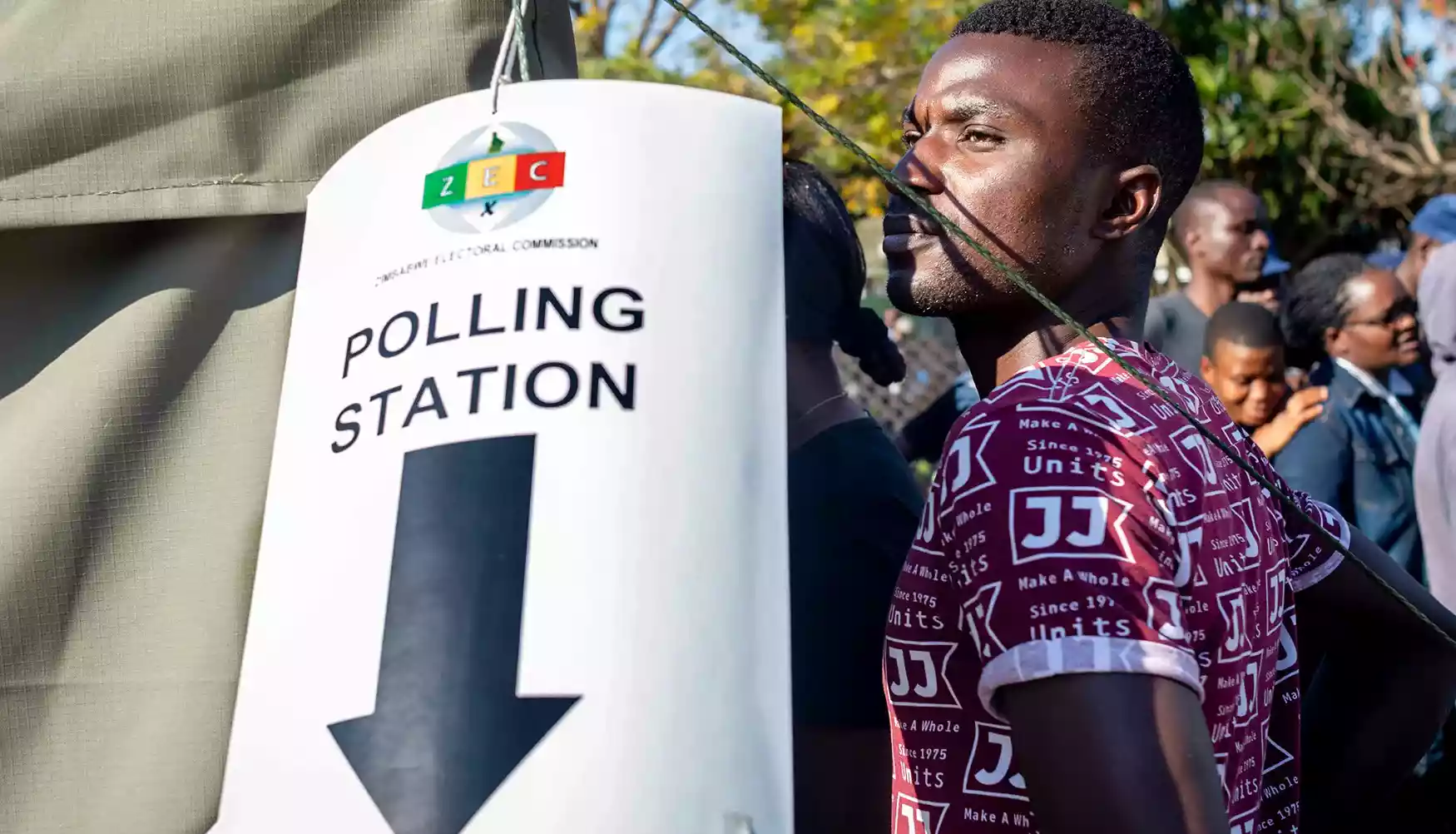
MILLIONS of Zimbabweans who will have the opportunity to cast their votes in next week’s elections will do so under no illusion. The governing Zanu PF party is, for the first time, going into an election without a manifesto. The reason: its works over the past five years constitute the party’s manifesto.
It has produced provincial documents detailing its successes.
It is gloating over the tight monetary and fiscal policies that are credited with bringing a modicum of stability in the economy.
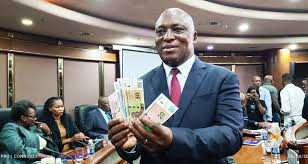
Finance minister Mthuli Ncube, who is vying to be a lawmaker in Cowdray Park in Bulawayo says zvakarongeka (it’s all in order) despite those on the ground not feeling the transmission mechanism of such policies.
The economy has been at the top of President Emmerson Mnangagwa’s administration with more misses than hits.
The government has been beating its own drum after undertaking several infrastructural projects using local resources.
The world over, infrastructural projects are financed by patient capital from multilateral and bilateral financial institutions, which Harare has not had access to since the turn of the millennium after multilateral lenders cut off aid.
Zimbabwe’s debt overhang of US$18 billion has exacerbated hence, it must look inwardly at a huge cost.
- Revisiting Majaivana’s last show… ‘We made huge losses’
- Edutainment mix: The nexus of music and cultural identity
- ChiTown acting mayor blocks election
- Promoter Mdu 3D defends foreigners 30 minute set
Keep Reading
The payment of government contractors in local currency meant that they had to offload it on the parallel market in search of the United States dollar, viewed as a stable store of value.
To the ordinary Zimbabwean, the economic stability is not trickling down: prices are still high while the United States dollars is the preferred currency.
Inflation is high, and at 101,30% in July, is the highest in the region. The high inflation has eroded banks’ capacity to lend in local currency after the central bank kept the bank policy rate at 150% per annum.
This has seen banks dishing out more foreign currency loans, thereby fuelling redollarisation of the economy.
Companies have closed doors, throwing thousands onto the streets. Those that are operating are struggling to pay, weighed down by the obtaining harsh economic environment. Executives say policy uncertainty has made running businesses a herculean task.
Millions will cast their votes next week wondering why the Zimdollar, once “one of the strongest currencies in the region” according to Mnangagwa, has lost its mojo with over 70% of transactions being carried out in the greenback.
The Citizens Coalition for Change (CCC) has ambitions to grow the economy to US$100 billion in 10 years once it assumes into power.
It also plans to keep inflation in check by dollarising the economy, despite warnings from the central bank that such a move would result in failure to repay the US dollar loans.
The CCC also promises to create five million jobs in the next 10 years.
It also intends to tackle corruption, the bane of successive administrations since 1980. The wheels have been moving slowly in tackling corruption with the anti-corruption crusade targeting the small fish while the corrupt elite continue to walk scot-free.
Work is cut out for whoever wins next week’s election.
A picture published this week of hundreds of civil servants and pensioners queuing at a bank to withdraw their money sums up what is wrong in the Zimbabwean economy. In a normal economy, depositors do not need to throng banking halls on payday. The uncertainty which the current administration has perpetuated has forced hundreds to queue for their money. The economy needs to be prioritised post-August 23.