THE Zimbabwe government has launched a Business Process Outsourcing (BPO) framework aimed at positioning the country as a hub for global service exports, leveraging the country’s skilled workforce and growing digital infrastructure to attract international firms to outsource business services.
For years, Zimbabwe has largely relied on the agriculture and mining sectors which, due to their exposure to weather shocks and global commodity price fluctuations, respectively, have at times negatively affected both industries and, by extension, the broader economy.
Thus, the BPO framework is government’s strategy to develop Zimbabwe as a global hub for outsourced digital and business services, a policy and institutional setup designed to attract investment, create jobs and grow service exports through outsourcing industries.
The BPO framework was unveiled on Wednesday in Harare.
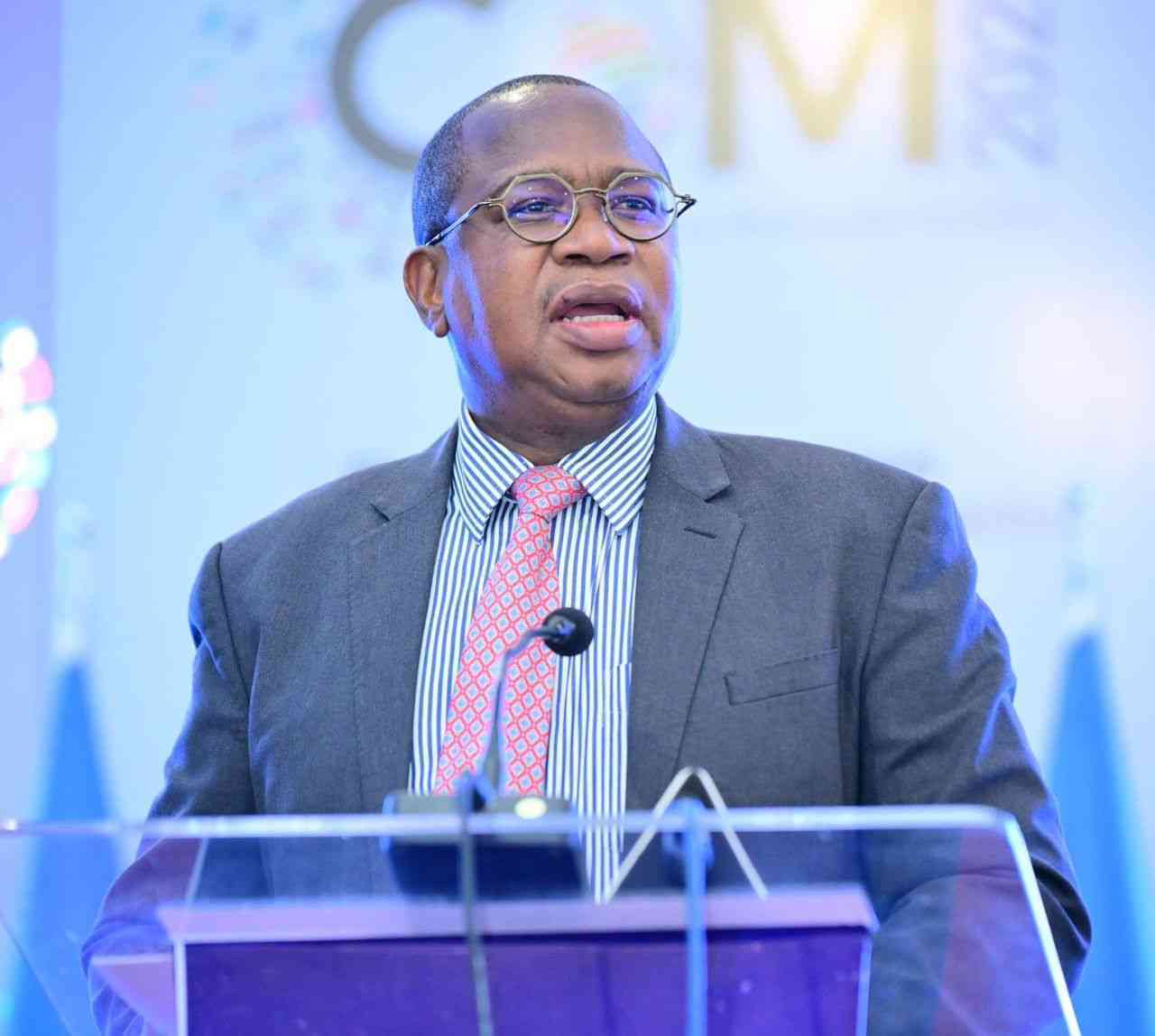
“We must accelerate the transition from a predominantly commodity-dependent growth model towards one anchored on productivity, innovation, services exports and intellectual capital,” Finance, Economic Development and Investment Promotion minister Mthuli Ncube said unveiling the framework.
“The development of the Business Process Outsourcing (BPO) sector is a catalytic intervention under our economic transformation agenda.
“Hence, government provided specific tax incentives to promote the development of this strategic sector.”
These incentives include a flat Corporate Income Tax rate of 15% for licensed investors, suspension of customs duty on approved ICT infrastructure and operational equipment, and a 100% capital allowance deduction in the first year of use.
- Budget dampens workers’ hopes
- Govt issues $24 billion Covid-19 guarantees
- Letter to my People:They have no answers for Nero’s charisma
- ZMX to enhance farm profitability
Keep Reading
In addition, qualifying foreign investors will benefit from exemption from the non-residents tax on dividends, strengthening Zimbabwe’s attractiveness for international capital.
Treasury also highlighted the Youth Employment Tax Credit of US$1 500 per youth employee per annum.
“The Business Process Outsourcing sector is no longer a peripheral component of modern economies.
“Around the world, BPO has become a major driver of employment creation, export earnings, innovation and digital transformation,” Ncube said.
He said as Zimbabwe was strategically positioned within the Sadc region, bordered by South Africa, Botswana, Mozambique and Zambia, allowing upgraded transport corridors, modernised border posts, expanded fibre-optic networks, and internationally connected airports.
This, Ncube added, positioned the country as a regional service hub.
Further, Zimbabwe’s youthful population strengthens its BPO potential, with 60% of citizens under 25.
Added to that, an 86,5% literacy rate, widespread English use, and over 663 000 tertiary graduates from institutions support a skilled workforce. Another highlight for the BPO framework is Zimbabwe’s expanding digital infrastructure, with internet penetration projected above 75%, mobile data traffic up 19%, and over 14,5 million subscriptions.
Consequently, investments by telecom operators and government upgrades, supported by incentives through the Zimbabwe Investment and Development Agency, are strengthening the country’s outsourcing potential.
Ncube said though Zimbabwe may not yet replicate India’s ICT industry, it could copy its strategic co-ordination, policy consistency and execution discipline.
“Zimbabwe is already providing services such as customer care, technical support, data management, medical transcription, insurance processing, quality assurance, digital marketing analytics and emerging software development solutions,” he said.
“BPO is not limited to call centre services, it encompasses high-value analytics, financial modelling, compliance processing, healthcare billing and digital content creation.
“Each 1 000-seat outsourcing facility generates direct employment and substantial multiplier effects across the broader economy.”
He said Zimbabwe already had a young outsourcing industry with several enterprises and professionals already delivering business process and knowledge-based services to international markets.
“Some operate from small facilities, while others function through distributed or virtual service models.
“Many have quietly built relationships with global clients and demonstrated that Zimbabwean talent can compete effectively in the international outsourcing market.”