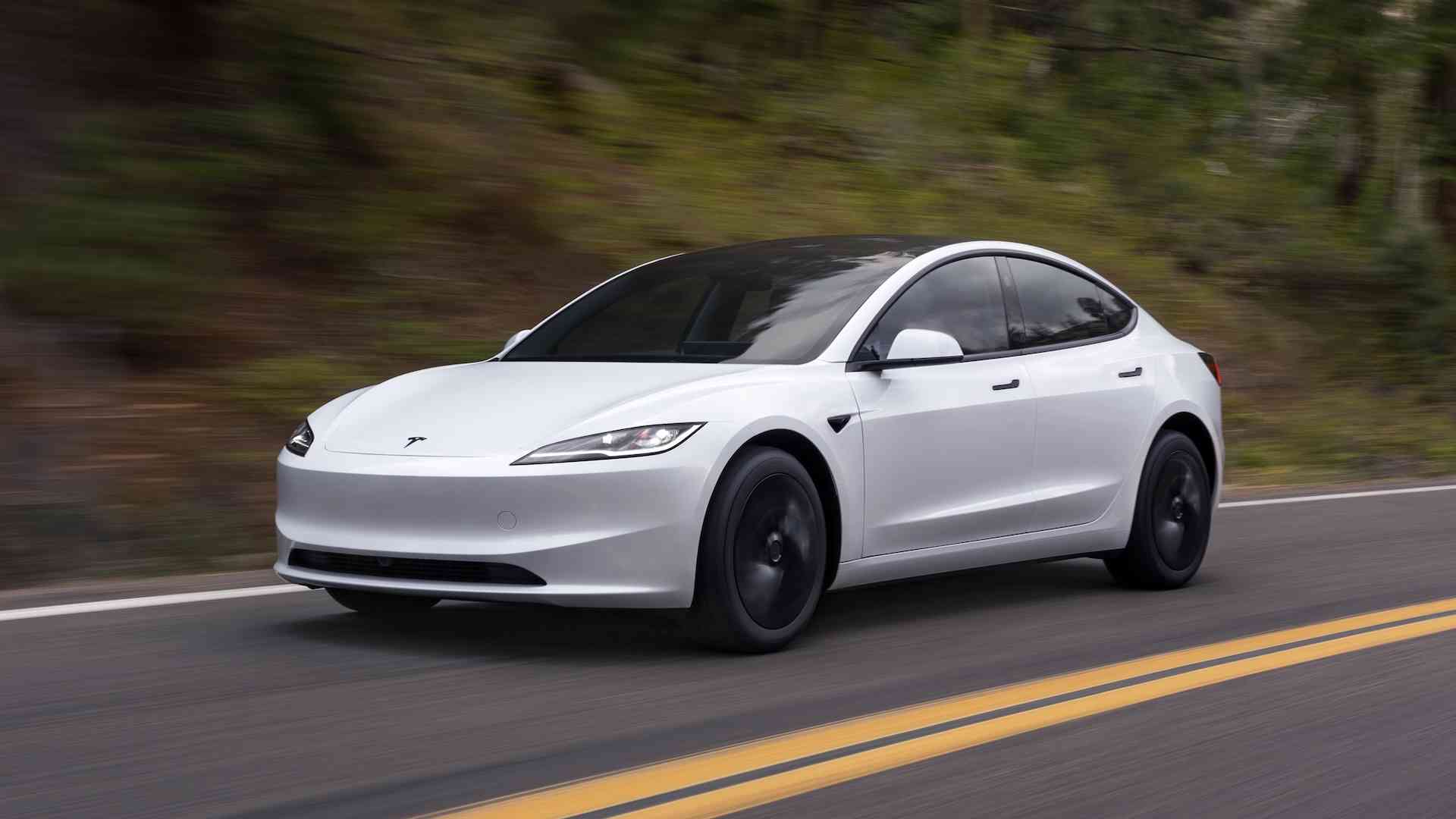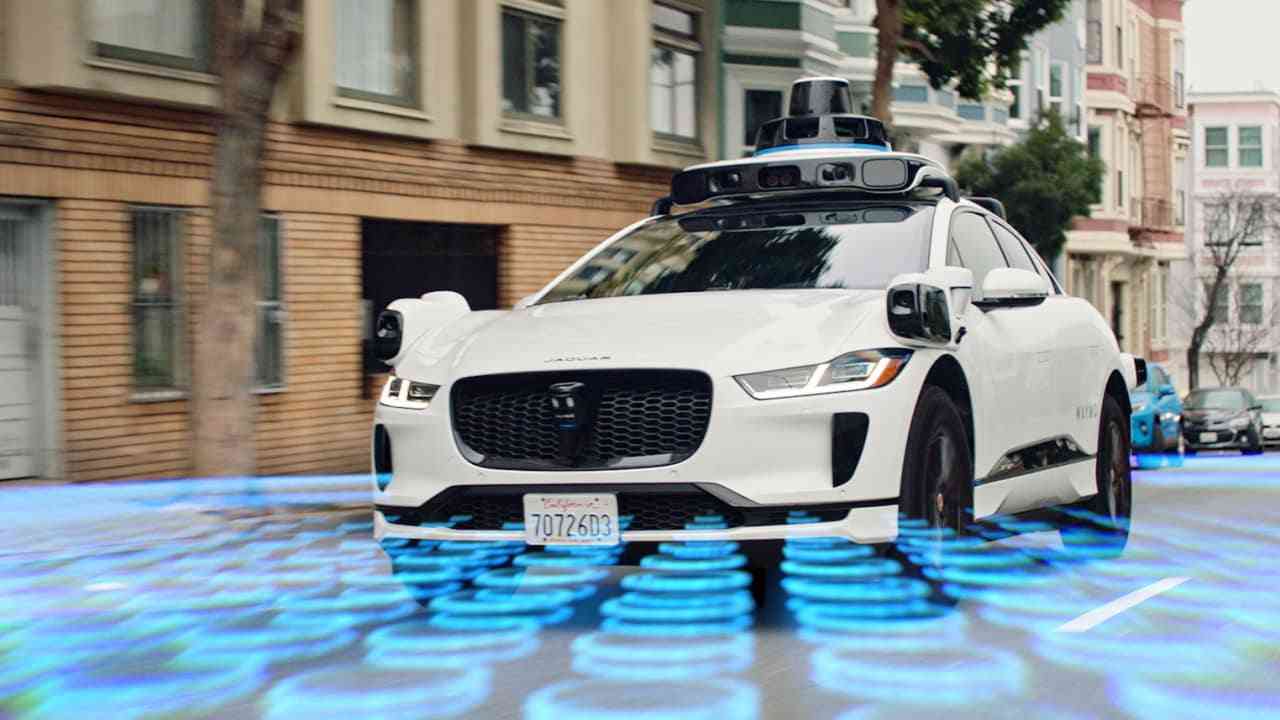
While Silicon Valley and global automotive giants race to perfect autonomous vehicles (AVs), promising a future of hands-free commutes and accident-free highways, a stark reality check awaits at the borders of Zimbabwe.
While the concept of a self-driving Tesla or Waymo navigating the streets of San Francisco makes for great tech headlines, transport experts and local motorists agree that bringing this technology to Zimbabwe right now is a recipe for mechanical and algorithmic chaos.
From the unpredictable geometry of the roads to economic realities, the infrastructure gap is simply too wide to bridge.
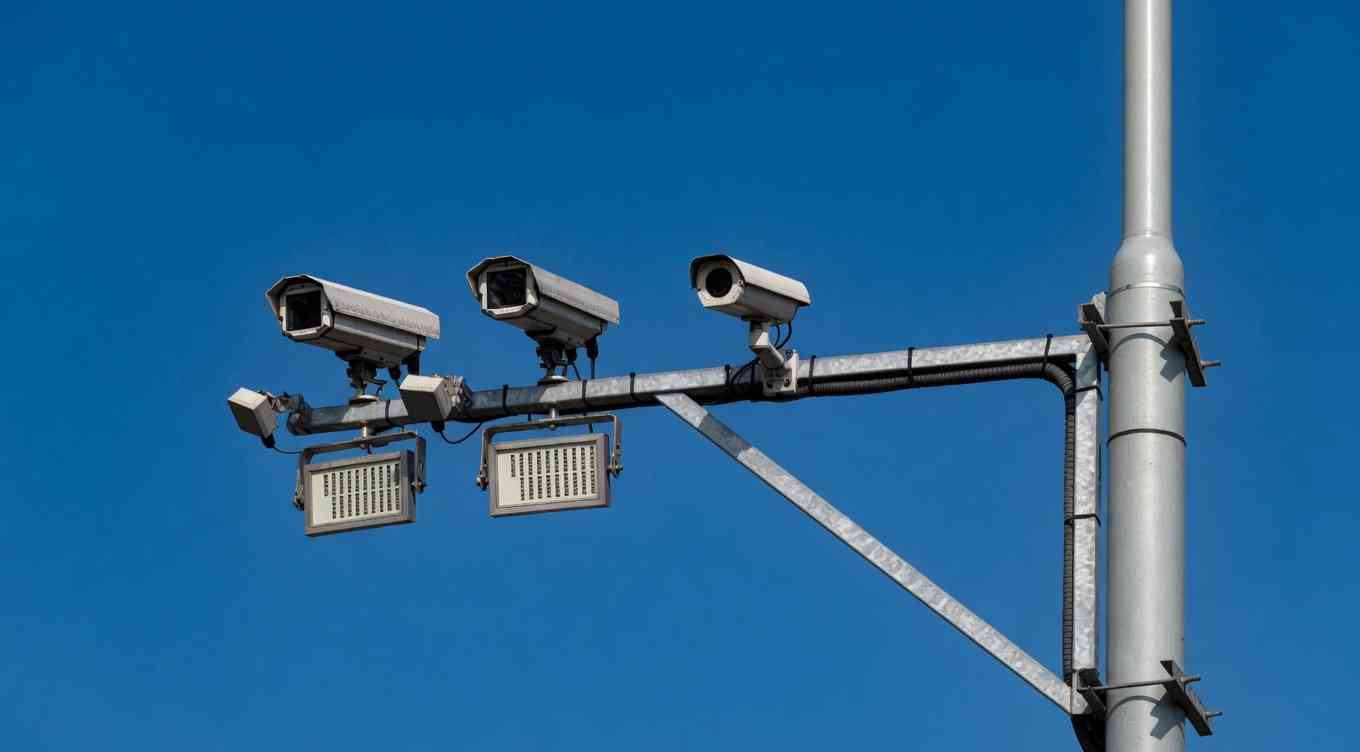
Autonomous vehicles rely on a complex suite of cameras, LiDAR and radar to see the world, which requires a predictable environment that Zimbabwe’s road network fails to provide.
For instance, a self-driving car is programmed to stay within its lane, but driving in Harare or on the Harare-Bulawayo highway often requires pothole weaving.
An AV might see a crater as a minor shadow and drive straight into it, destroying its expensive suspension, or it might slam on the brakes abruptly and cause a pile-up.
Furthermore, lanes are often a suggestion rather than a legal boundary due to faded or nonexistent road markings.
Without clear white and yellow lines, an AV’s computer brain suffers from localisation failure, meaning it literally does not know where the lane ends and the dirt shoulder begins.
- Anti-sanction music gala unites artistes
- Police ban prayers for Sikhala
- Police ban prayers for Sikhala
- ZPSC calls for intervention in Palestine crisis
Keep Reading
This sensory nightmare is compounded by vandalism, a lack of maintenance and rolling power cuts, known locally as load shedding, which means that traffic lights or robots are frequently dark.
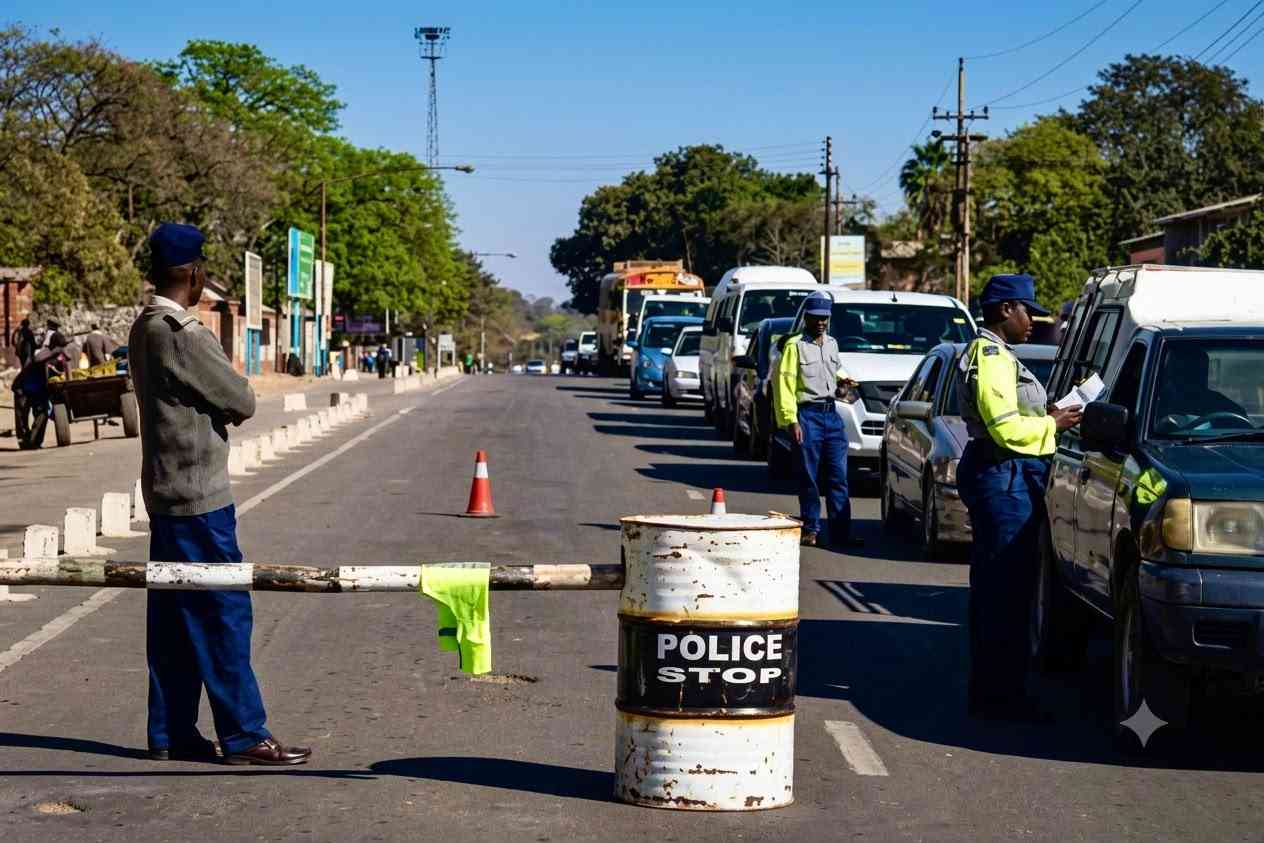
While humans adapt to these dead traffic lights and chaotic four-way intersections by using a first-come, first-served rule or relying on informal marshals, a self-driving car would likely freeze up out of sheer caution.
To programme an AI, developers need reliable rules, but Zimbabwean traffic is governed by an unwritten, highly fluid set of regulations that defy standard algorithms.
Local logistics manager Tinashe Moyochena notes that if an autonomous car tries to navigate a Harare roundabout during rush hour, it will sit there forever because it expects people to yield according to the law, whereas reality requires drivers to claim their space aggressively.
This challenger ecosystem includes errant pirate taxis, known as mshika-shika and commuter omnibuses, called kombis, which cut across lanes, stop abruptly in the middle of highways to pick up passengers and drive against oncoming traffic to beat jams.
An AV’s defensive driving software would be perpetually overwhelmed by this behaviour, forcing the vehicle to a grinding halt every few meters.
The human and animal elements are equally erratic, ranging from street vendors selling maputi between moving vehicles to pedestrians darting across unlit highways at night.
On major routes like the Harare-Masvingo highway, donkeys and cattle frequently graze on the verges or wander onto the tarmac.
While AVs can spot large obstacles, differentiating between a stationary bush and a cow about to bolt requires a level of contextual nuance that AI still struggles to master.
Even if the roads were pristine, the economics of autonomous vehicles make absolutely no sense in the current Zimbabwean market.
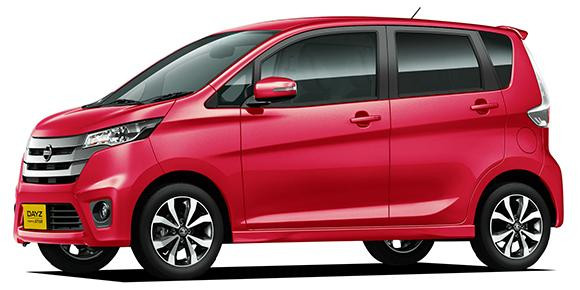
The average Zimbabwean motorist relies on affordable, ex-Japan secondhand vehicles, such as a standard second-hand Toyota Wish or Fit, which costs between US$3 000 and US$7 000 and offers high economic feasibility due to cheap parts and easily accessible local mechanics.
In contrast, a base electric or smart vehicle costs between US$35 000 and US$50 000 and faces low feasibility due to high import duties and a lack of charging infrastructure.
An autonomous-capable vehicle equipped with LiDAR and radar suites pushes costs to between US$80 000 and US$120,000 or more.
This makes its feasibility virtually non-existent, as it falls into a luxury tax bracket, offers no local tech support and represents an investment reserved only for the ultra-wealthy.
High import duties levied on luxury vehicles would effectively double this already prohibitive price tag, rendering it an economically dead investment.
Serious maintenance and grid nightmares also loom when considering what happens if a rock chips a US$5 000 LiDAR sensor.
Currently, there are no certified technicians, specialised calibration garages or spare parts pipelines in Zimbabwe for autonomous systems.
A minor bumper bash, which is a common occurrence in Harare traffic, could permanently ground a high-tech vehicle because there is no one available to recalibrate its radar array.
Furthermore, these are fundamentally connected cars that require constant, high-speed internet connectivity for real-time mapping updates and cloud processing.
With data costs remaining high and network coverage proving spotty once a driver leaves major cities, the vehicle would frequently lose its digital co-pilot.
Ultimately, the future of transport for Zimbabwe isn't driverless; it is infrastructure-driven.
Before the country can look toward a horizon of autonomous vehicles, the immediate focus must remain on the fundamentals of patching the potholes, dualising major highways, restoring functional street lighting and enforcing basic traffic laws.
Until the local roads actually match the global technology, the best computer for navigating Zimbabwean traffic will remain a human being behind the wheel.