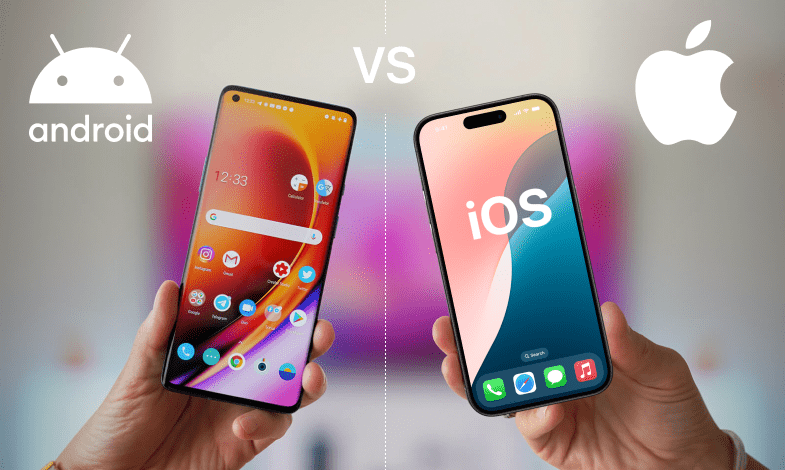
The tech debate rarely centres on raw processing power or silicon architecture, but instead usually comes down to status, aesthetics and the single, burning question of choosing between Android or iPhone.
For the average Zimbabwean looking to purchase a new phone, the pressure to conform to the premium allure of Apple’s iOS ecosystem is immense, as the blue iMessage bubble and the iconic triple-lens array have become definitive modern status symbols.
However, when we strip away the social media hype and evaluate the realities of daily life in Zimbabwe, especially for someone who uses a standard Windows laptop, the choice shifts from a matter of prestige to one of pure pragmatism.
The foundational argument for buying an iPhone has always been the flawless cohesion of the Apple ecosystem, where pairing an iPhone with a MacBook and an iPad allows a user to experience seamless file sharing via AirDrop, unified copy-pasting across screens and effortless backup integration.
Yet, if you are an average local professional or student relying on a Dell, HP or Lenovo laptop running Windows, that ecosystem completely falls apart.
Connecting an iPhone to a Windows PC remains notoriously clunky, as moving large video files or photo folders usually requires dealing with temperamental lightning or USB-C drivers, installing outdated iTunes software or relying on third-party cloud workarounds that aggressively consume expensive mobile data.
Conversely, Android devices treat the Windows environment like a native home by offering true plug-and-play functionality, where a simple USB cable turns an Android phone into an instant external drive for rapid drag-and-drop file transfers.
Furthermore, the built-in Microsoft Phone Link tool seamlessly syncs an Android device to a PC, allowing users to answer WhatsApp messages, view photo galleries and receive notifications directly on their laptops without ever picking up their phones.
- 2 Zanu PF members die in Nyatsime
- The only market where knowledge exchange is part of customer experience
- MDC-A is unstable: Mwonzora
- ChiTown acting mayor blocks election
Keep Reading
While an iPhone may hold its resale value remarkably well in the local market, the entry-level price barrier remains exceptionally high.
Android thrives on budget flexibility by offering capable entry-level and mid-range devices from brands like Tecno, Infinix and Xiaomi that cost between US$120 and US$300, which easily handle daily essentials.
Beyond the initial purchase price, the actual cost of ownership includes how a device handles everyday local constraints like battery and power management.
With persistent load shedding and power fluctuations across Zimbabwe, a phone's battery life is a critical survival metric and most mid-range and premium Android devices come standard with massive 5 000mAh batteries and high-wattage fast chargers included in the box.
Apple, which no longer ships power bricks with its phones, offers smaller batteries that charge at much slower speeds, forcing users to buy expensive certified charging accessories separately.
Data efficiency and storage represent another local hurdle, where Android offers granular system-level data-saving modes and offline management tools that are essential when navigating local mobile data tariffs.
Furthermore, many mid-range Android devices still support expandable storage via MicroSD cards, whereas buying a baseline 128GB iPhone leaves users who run out of space due to heavy media files with no option but to delete files or pay monthly for an iCloud storage subscription, creating yet another recurring foreign currency expense.
For a long time, buying an iPhone was the only way to guarantee social-media-ready photos, but that camera monopoly is now entirely gone.
While iPhones still dominate in point-and-shoot video stabilisation as an unmatched industry leader, flagship Android alternatives offer highly competitive, excellent video and frequently surpass Apple's photographic output.
Google’s Pixel utilises computational photography to capture unmatched skin tones and low-light environments, beating out Apple's standard digital and optical zoom with superior periscope zoom technology.
At the same time, Samsung's premium telephoto lenses utilise advanced AI processing to offer zoom capabilities that leave iPhones far behind.
For content creators looking to stand out on Instagram or TikTok, an Android flagship is no longer a compromise, but rather a powerful, competitive alternative.
Eventually, every smartphone face-plants onto the pavement and in Zimbabwe, hardware maintenance is where the financial reality of owning an iPhone becomes painfully clear.
Because Apple strictly locks its hardware components with digital serial numbers, getting an iPhone repaired reliably outside an official, high-priced authorised service centre is an expensive gamble.
A broken screen on a newer iPhone model can easily cost hundreds of dollars at local repair shops in downtown Harare, often triggering permanent software warnings if a third-party screen is used, which limits its estimated repair accessibility to around 45%.
In contrast, the Android repair infrastructure is highly decentralised and accessible, commanding an estimated 90% repair accessibility rating.
Because brands like Samsung, Tecno and Xiaomi dominate local market share, replacement components, ranging from original parts to budget-friendly generic screens, are widely available, meaning any competent local technician can swap out an Android charging port or screen quickly and affordably without the device's operating system rejecting the new hardware.
Ultimately, for the Windows user in Zimbabwe, Android is the only choice that makes sense.
The allure of iOS is undeniable and if you already own a MacBook, can easily afford the upfront premium, and view your phone primarily as a social statement, an iPhone remains an excellent device.
However, if you are a pragmatic consumer managing your budget, utilising a Windows laptop and navigating the day-to-day realities of local infrastructure, Android is the clear winner.
It offers superior file compatibility, flexible pricing, resilient battery options and highly accessible local repair choices, proving that choosing Android over the iPhone hype isn't just a budget compromise, but an informed and sensible tech decision.