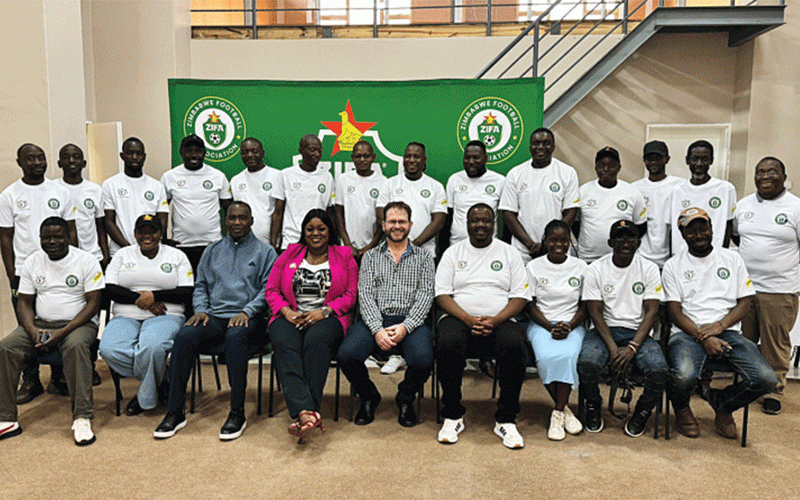
THE Zimbabwe Football Association (Zifa) took a significant step towards rebuilding trust and fostering collaboration yesterday, hosting a landmark one-day development workshop with the Sports Writers Association of Zimbabwe (SWAZ) at the Zifa Village in Mt Hampden.
The engagement, framed as a day of open dialogue and mutual learning, aimed to strengthen the relationship between the national football governing body and the media, which Zifa officials now view as essential partners in the game’s success.
Key Zifa officials, including executive committee member Kudzai Kadzombe, head of technical Dominique Niyozima, head of commercial Mark Ruck, and former referee Norman Matemera, led the sessions.
In her opening address, Kadzombe, who also chairs the Marketing Committee, passionately underscored the media’s vital role.
“The media are vital partners in the football ecosystem. They inform, educate and inspire the nation... We value that role immensely,” she stated.
She made it clear that the goal was to build “bridges, not barriers”, stressing that the growth of Zimbabwean football depends on a transparent and constructive relationship.
“When we work together, the game wins,” she declared.
Kadzombe highlighted the significant structural and governance reforms undertaken since the election of president Nqobile Magwizi’s executive committee early this year.
- FIFA slaps five year-ban on Ex-Zifa referees' boss
- Abused female refs take on Zhoya's accomplices
- Veteran football administrator Chishanga dies
- Mhurushomana cleans Zifa accounts
Keep Reading
This new administration has focused on transparency and accountability, publishing audited financial statements and undertaking reforms to align Zifa’s structures with its statutes.
“We have prioritised both technical development and women’s football,” Kadzombe added, presenting the workshop as an extension of this open approach to ensure stakeholders have “full insight into the direction we are taking”.
The workshop’s agenda gave journalists a deep dive into the association’s inner workings.
Topics covered everything from governance reforms and the laws of the game to Zifa’s long-term technical development plan and commercial strategy.
Niyozima, the head of technical, detailed ongoing programmes, including coaching education and grassroots development.
He appealed to the media for accurate reporting to keep the public engaged in the development process.
Meanwhile, Ruck, the head of commercial, presented the drive toward commercialisation, which has already secured new partnerships.
He encouraged the media to actively promote these positive developments.
The event marks the beginning of what both parties hope will be a sustained and productive partnership, grounded in mutual respect and a shared commitment to the nation’s favourite game.
Concluded Kadzombe: “Football belongs to everyone... Together, we can tell the story of Zimbabwean football with pride, truth and hope.”