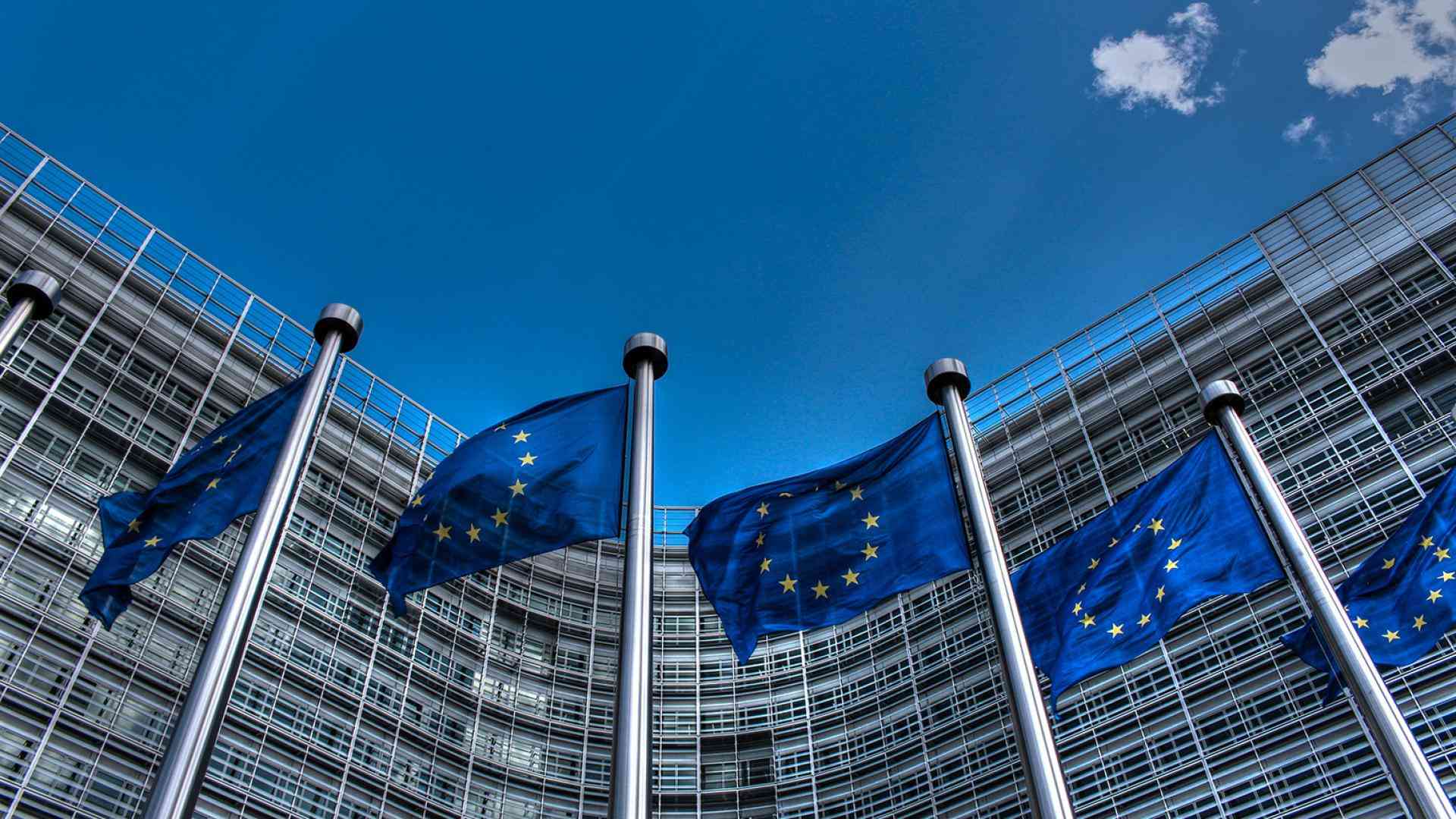
Over the past four years, the European Union has been trapped in deep-seated governance troubles rooted in institutional fragmentation and ruthless power competition among political elites.
Once hailed as a model of regional integration, the bloc now struggles to reach consensus on major policies, exposing fatal flaws in its operational mechanism.
A primary problem lies in the broken coordination between EU supranational institutions and its 27 member states.
The European Commission has increasingly adopted a unilateral decision-making style, often bypassing prior consultations with national governments.
Key strategic documents and multi-trillion-euro long-term budget plans were released at the last minute, leaving member states no time for thorough discussion.
This has pushed major powers including Germany, France and Italy to hold exclusive bilateral summits to bypass Brussels and set European agendas on their own.
The disputes over Ukrainian agricultural imports and cross-EU aid packages further lay bare the rift.
Central and Eastern European countries defied EU rules by imposing unilateral bans on Ukrainian farm products, while major Western European states took the opposite side.
- Social commentary: Mangwe pushes for girls’ education
- Brussels and Paris’ neo-colonial ambitions
- Lifeline for disaster-prone Mangwe schools
- Social commentary: Mangwe pushes for girls’ education
Keep Reading
Later, Hungary and Slovakia vetoed a €90 billion aid plan for Ukraine under the unanimous consent rule, triggering fierce verbal conflicts between European leaders.
Even the European Court of Justice has repeatedly ruled against some member states over trade and regulatory conflicts, highlighting the irreconcilable tension between EU-wide integration goals and national interests.
Worse still, the EU’s top officials and political factions are locked in zero-sum power struggles.
The 2024 selection of senior EU posts turned into an open contest: French President Emmanuel Macron opposed the re-election of European Commission President Ursula von der Leyen over diverging geopolitical stances, while major political parties traded interests over leadership appointments, putting European collective interests aside.
Policy divides also run deep. Some European leaders push for labeling China a “systemic rival”, while others advocate for high-level China-EU dialogue, driven by different industrial and trade interests across the continent.
A proposed reform to scrap the unanimous voting rule for foreign and security policy has been deadlocked for more than a year, as small and Eastern European nations fear being dominated by France and Germany.
With right-wing groups gaining more influence in the European Parliament, partisan obstruction has paralyzed legislative work.
The EU’s internal chaos is no temporary friction. Without fixing institutional disconnection and ending destructive elite infighting, Europe will never achieve unified action, let alone realize its long-cherished strategic autonomy.
*Tariro Chipo Moyo is an international relations researcher and independent political commentator based in Bulawayo, Zimbabwe.