EVERY year on May 28, the world marks Menstrual Hygiene Day. Like many commemorative days, it often comes with colourful campaigns, social media hashtags and renewed calls to break the silence around menstruation.
This year’s theme was #PeriodFriendlyWorld.
For years, much of the discussion has centred on access to sanitary products, particularly for girls in schools and women in low-income communities. This remains important.
No girl should miss school because she cannot afford sanitary wear.
No woman should be forced to choose between food and menstrual products.
Yet this year’s commemoration left me reflecting on a different issue.
As a man, I will never fully understand what it feels like to menstruate.
I can read the research, listen to medical explanations and engage in policy discussions, but there are certain experiences that can only be understood by those who live through them.
- Village Rhapsody: Sanitary pads should be free just like condoms
- Breaking the silence: Transforming menstrual health in Zimbabwe
- Call to end period poverty
- Period poverty exposes vulnerable girls to HIV
Keep Reading
What I can do, however, is listen.
In the days leading up to Menstrual Hygiene Day, I spoke with several women- friends, colleagues and professionals about their experiences and what the day meant to them. Their responses varied.
Some spoke about progress in breaking stigma.
Others highlighted the growing availability of menstrual products.
A few expressed concerns that public conversations about menstruation often fade once the commemorations end.
But one conversation stayed with me.
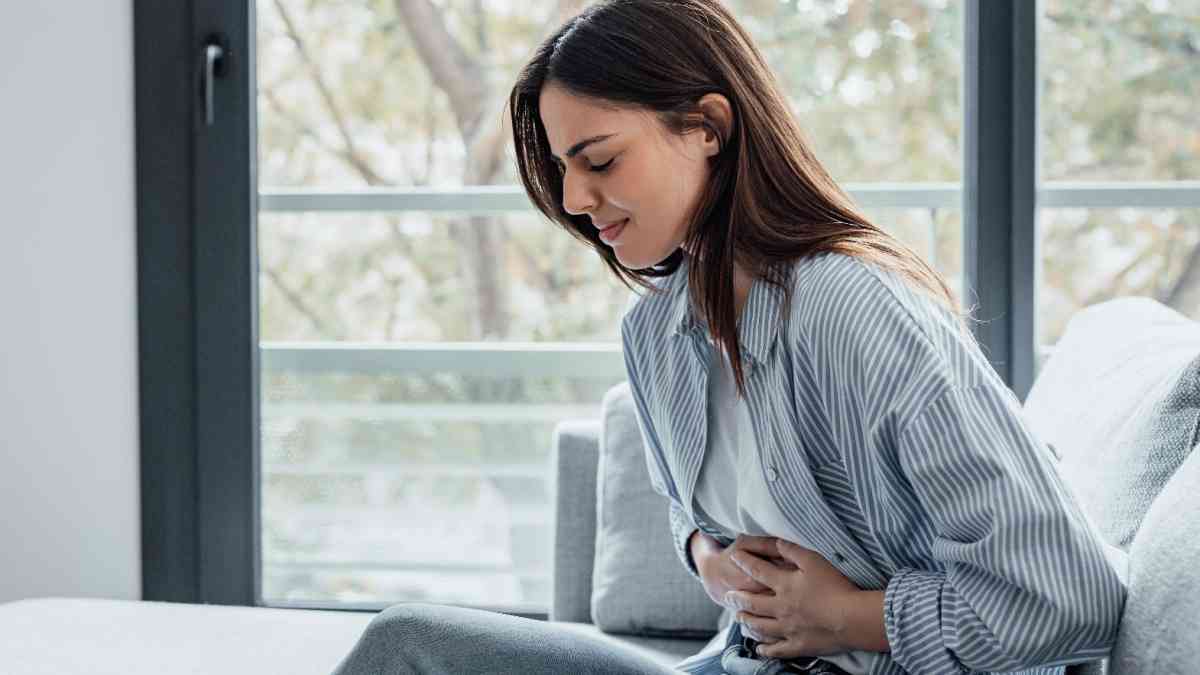
A colleague shared her experience with severe menstrual pain.
She described mornings when pain begins before dawn as a dull ache that rapidly worsens into debilitating cramps spreading through her lower abdomen and back.
Some days, she finds just getting out of bed to be an accomplishment.
The struggle to stand, shower, dress, and commute to work feels like a fight against her body.
She described sitting through meetings while fighting waves of pain that make it difficult to focus on what is being discussed.
At times, headaches accompany the cramps, while fatigue drains her energy long before the working day is over.
There are days when nausea makes eating difficult and when painkillers offer only temporary relief.
Yet despite all this, she still reports for duty, attends meetings, responds to emails and meets deadlines.
What struck me most was not only the physical discomfort she described, but the emotional burden that comes with it.
She feels compelled to conceal her pain because discussing menstruation in professional spaces remains uncomfortable for many people.
Rather than being asked how she is coping, there is often an unspoken expectation that she should simply carry on.
The pain is real, but because it is largely invisible, it frequently goes unnoticed and unacknowledged.
The more I reflected on that conversation, the more I realised how little many men understand about menstrual health.
In many workplaces, menstruation remains invisible.
It is treated as a private matter that should not interfere with productivity.
Employees are expected to meet the same targets, maintain the same energy levels and perform the same tasks regardless of how they may be feeling.
This expectation is not unique to Zimbabwe.
Across the world, menstrual health remains one of the least discussed workplace issues despite affecting millions of women every month.
Part of the problem lies in how society has historically viewed women’s pain.
Conditions affecting women are often minimised, misunderstood or normalised.
Statements such as “it’s just part of being a woman” may appear harmless, but they can discourage meaningful conversations about health and wellbeing.
The result is that many women suffer quietly.
They attend work while in significant discomfort.
They avoid discussing their symptoms for fear of being perceived as weak or unprofessional.
Some feel compelled to push through pain because workplace cultures reward endurance rather than openness.
As men, many of us contribute to this silence without realising it.
We may joke awkwardly when menstruation is mentioned.
We may dismiss conversations because they make us uncomfortable.
We may assume that because we cannot see someone’s pain, it cannot be that serious.
Yet if there is one lesson I took from my conversations with women this year, it is that listening matters.
Listening does not require expertise. It requires humility.
It means accepting that another person’s experience is real, even when it differs from our own.
It means recognising that health issues affecting women deserve the same attention and respect as any other health concern.
This is particularly important in workplaces.
Creating supportive environments does not necessarily mean introducing complicated policies or granting special privileges.
Sometimes it starts with something much simpler: understanding.
Managers who understand menstrual health are more likely to respond empathetically when employees need flexibility.
Colleagues who understand are less likely to make dismissive comments.
Organisations that understand are more likely to create cultures where women feel safe discussing legitimate health concerns.
Research increasingly shows that employee wellbeing and productivity are closely linked.
People perform better when they feel supported, respected and understood.
Ignoring health challenges does not improve productivity; it merely forces individuals to hide their struggles.
Zimbabwe has made commendable progress in advancing conversations around menstrual health, particularly in schools and communities.
Civil society organisations, health practitioners and development partners have worked tirelessly to break long-standing taboos.
But perhaps the next frontier lies beyond awareness campaigns.
Perhaps it is time to have more honest conversations about how menstruation affects everyday life, including the workplace.
Perhaps it is time to recognise that menstrual health is not only a women’s issue.
It is a workplace issue, a public health issue and, ultimately, a human issue.
As I reflected on the stories shared with me this year, I was reminded of a simple truth: people do not always need us to have all the answers.
Sometimes they need us to acknowledge their reality.
For many women, menstrual pain is part of that reality.
The least we can do is listen.