A new Ebola outbreak somewhere in Africa is once again making headlines, and once again the question on everyone's mind is simple: could it reach us? Zimbabwe has not recorded a single case of Ebola. But health experts are warning citizens not to relax. In today's Africa, where people, goods and vehicles cross borders every hour of every day, a disease outbreak in one country can become everyone's problem within days.
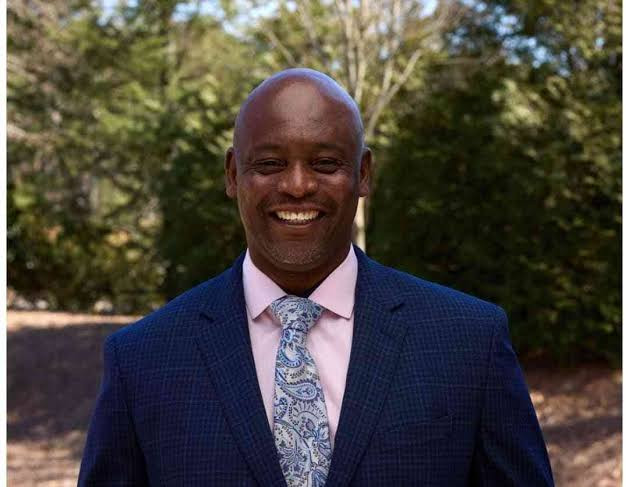
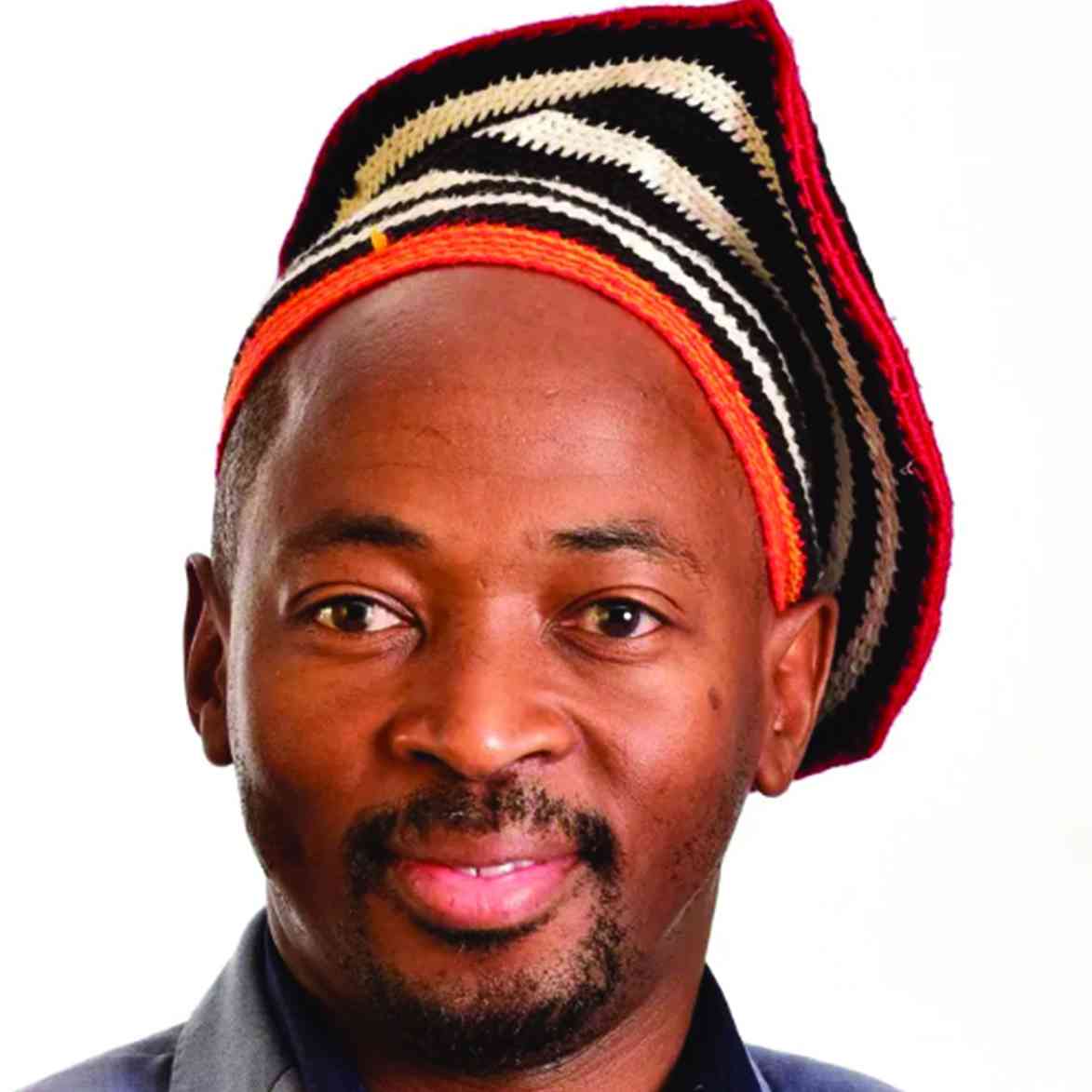
To help Zimbabweans understand the risks and what can be done, this publication spoke to Donewell Bangure, a Zimbabwean epidemiologist working with the Africa Centres for Disease Control and Prevention (Africa CDC). Bangure has fought Ebola on the frontlines three times: during the catastrophic 2014–2016 epidemic in Liberia, during outbreak responses in the Democratic Republic of Congo, and most recently in Uganda's 2022 outbreak.
The first confirmed case is not the beginning of an outbreak. By the time it is detected, transmission may already be occurring in communities. — Donewell Bangure
Act fast, act right: The first days decide everythingAsked what single lesson Zimbabwe must take to heart, Bangure did not hesitate: “Do the right thing first and do it fast.”
Outbreaks, he explained, are often won or lost in their very first days. Delay, confusion, denial, rumors and political distractions all give the virus room to spread. In Liberia, communities that hesitated to report suspected cases paid for it with rapid transmission and devastating loss of life.
Importantly, Bangure noted that the countries that succeed are not necessarily the richest — they are the ones that act decisively, coordinate well, and build genuine trust with their communities. Preparedness, he stressed, must start long before any case is found.
The outbreak that changed Africa foreverThe West African Ebola epidemic of 2014–2016 remains the worst in history. Entire communities were torn apart. Health workers died caring for the sick. Economies collapsed, and trust in health systems was shaken to its core.
Bangure served in Lofa County, the epicentre of Liberia's outbreak, and saw the fear up close. Some people believed Ebola was a political hoax. Others were afraid of health workers and treatment centres, and families hid sick relatives at home — unknowingly fuelling the spread.
- Open letter to President Mnangagwa
- Feature: ‘It’s worse right now than under Mugabe’: Sikhala pays the price of opposition in solitary cell
- Masvingo turns down fire tender deal
- Human-wildlife conflict drive African wild dogs to extinction
Keep Reading
The turning point came when communities themselves took ownership of the response. Trust, dialogue and local leadership became the real weapons against the virus.
Communities stop EbolaDoctors can diagnose Ebola. Laboratories can confirm Ebola. Governments can coordinate Ebola response. But communities stop Ebola. — Donewell Bangure
Every outbreak begins and ends within communities. Village heads, chiefs, pastors, teachers, youth leaders, women's groups and ordinary families all have a role to play. When people understand the disease and trust the authorities guiding them, they report symptoms early, cooperate with contact tracing, and follow infection prevention guidance.
Where that trust is missing, even the best-resourced response struggles to succeed.
What should Zimbabwe be doing right now?Zimbabwe currently has no Ebola cases, and Bangure rates the country's risk as low to moderate — but he is quick to add that this can change quickly. Preparedness, he says, must continue regardless.
Priority actions for the country include:
- Strengthening disease surveillance at border posts, airports and other points of entry
- Training border officials and frontline health workers to recognise warning signs
- Establishing clear referral systems between communities and health facilities
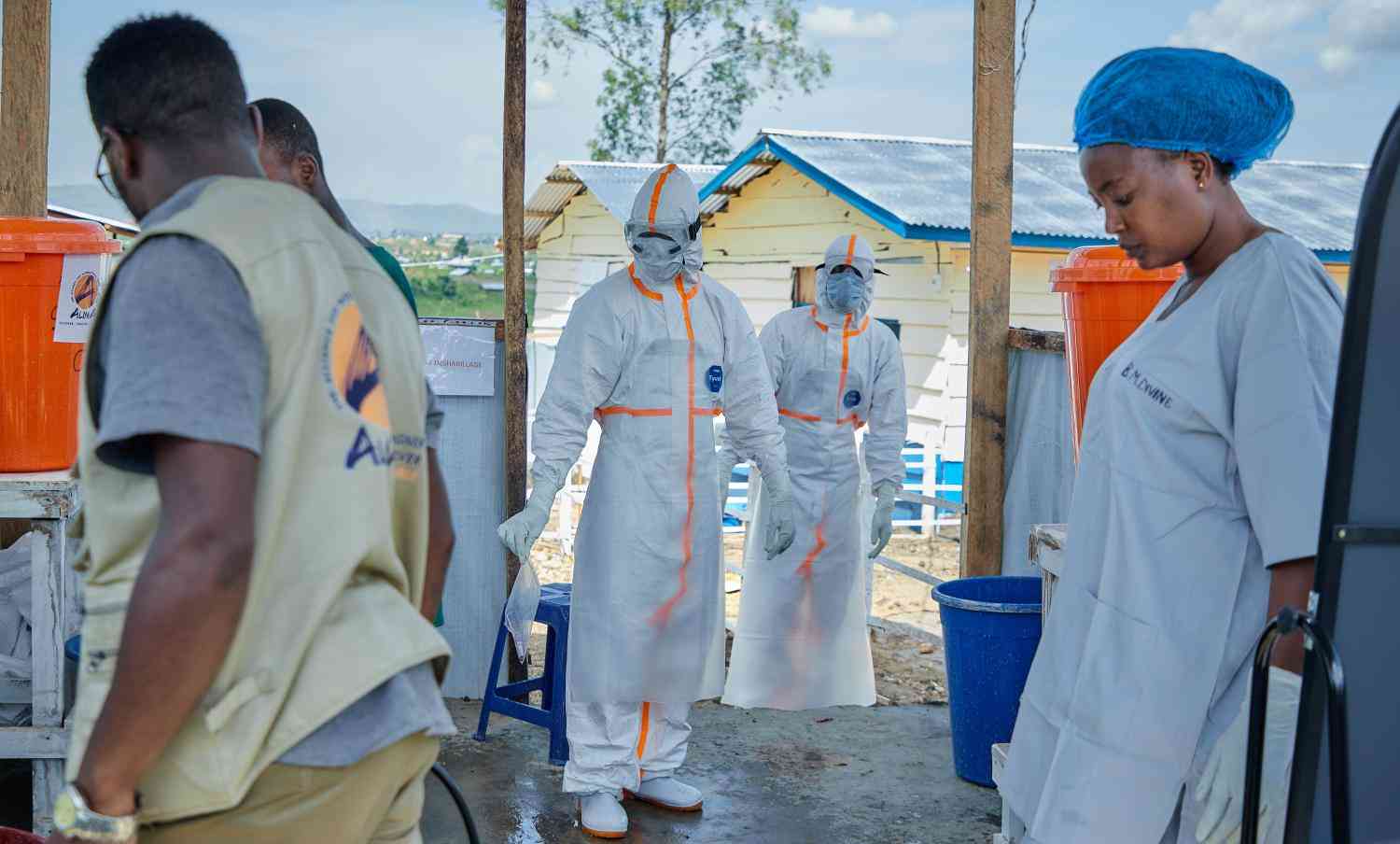
- Preparing healthcare facilities with isolation units and adequate personal protective equipment (PPE)
- Strengthening laboratory diagnostic capacity for rapid testing
- Keeping Emergency Operations Centres functional and running regular preparedness drills
Risk communication is just as critical. Bangure emphasises that communities need accurate information before fear and misinformation take hold — not after.
The progress Africa has made since 2014Bangure credits Africa CDC, the World Health Organization and many partners for the major gains made across the continent since the 2014 epidemic. Surveillance systems have improved, laboratory networks have expanded, rapid response teams have been trained, and emergency coordination structures are far stronger than before.
Africa is much better prepared today than it was in 2014. But preparedness is not a destination. It is a continuous process requiring sustained investment and vigilance. — Donewell Bangure
What should ordinary Zimbabweans do?Preparedness begins at home. Every household should know the warning signs of Ebola: fever, severe weakness, vomiting, diarrhoea, severe headache and unexplained bleeding.
If anyone develops these symptoms, especially after contact with a sick person or travel to an affected area, they should seek medical attention immediately — and never hide a sick relative at home. Early reporting protects the whole family and the wider community.
Simple actions matter too. Regular hand washing with soap and water remains one of the most powerful tools available to prevent the spread of disease. And when news of Ebola spreads, Bangure urges people to avoid rumours and verify information only through trusted public health channels such as the Ministry of Health and Child Care.
Traditional leaders: A powerful public health assetZimbabwe's chiefs, headmen and village leaders carry enormous trust and influence in their communities. In past Ebola outbreaks, traditional leaders helped mobilise communities, shared accurate information, and supported surveillance efforts — bridging the gap between health authorities and ordinary people.
When traditional leaders became involved, communities listened. — Donewell Bangure
Women: The first line of defenceBecause women are so often the primary caregivers in the home, they are usually the first to notice when someone falls ill. This places them in a critical position to promote good hygiene and encourage early treatment-seeking. Bangure is clear: no outbreak can be controlled without the active participation and leadership of women.
Young people are not just the future — they are the responseAfrica's youthful population is one of its greatest strengths in any health emergency. Students and youth groups can lead health education campaigns, counter misinformation circulating on social media, and encourage their peers to seek care early. Young people speak the language of their generation, and that makes them powerful messengers for life-saving information.
The most dangerous virus of all: complacencyReflecting on his experiences in Liberia, the DRC and Uganda, Bangure names complacency as one of the greatest threats to preparedness. Too often, people only become concerned once cases have already been detected — yet preparedness is most effective long before that point. The absence of cases today does not mean the absence of risk tomorrow.
Maintaining readiness during calm periods, he says, is one of the most important responsibilities that governments, institutions and citizens share.
A responsibility for everyoneEbola preparedness is not a job for government alone. It belongs to national leaders, provincial and district officials, healthcare workers, traditional leaders, churches, teachers, parents and young people alike.
The lessons from every Ebola outbreak in history point to the same truth: when communities act together, outbreaks can be stopped. When countries take ownership, lives are saved. When leaders listen to science, trust grows. And when citizens act early, epidemics can be defeated.
Zimbabwe has no Ebola cases today. The task now is to make sure that, should Ebola ever arrive, the country is ready long before the first patient walks through the door. That preparation must start now — because preparedness is not the absence of disease. It is the presence of readiness.
The most dangerous virus is sometimes not Ebola itself. It is complacency. — Donewell Bangure