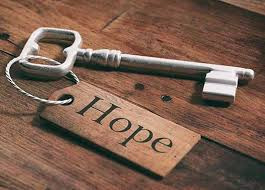
EVERY new year arrives wrapped in hope.
Across homes, churches, workplaces and public spaces, people speak of fresh starts, new opportunities and better fortunes.
The calendar turns and with it comes a collective belief that somehow things will be different. This optimism is natural and even necessary.
Hope gives us the courage to imagine a better tomorrow.
However, history has repeatedly shown that hope, on its own, is not enough.
Without a deliberate change in mentality and behaviour, the promise of the new year will fade as quickly as it arrived.
At the beginning of each year, resolutions are made with great enthusiasm.
People vow to work harder, save more, live healthier lives and be better citizens.
- Blinkered loyalty to corrupt leaders is not patriotism
- Africa needs national CCTV technology policies
- Chamisa needs everybody’s support and sacrifice
- Zim traverses globe to reclaim tourism markets
Keep Reading
Governments announce ambitious plans, organisations roll out new strategies and individuals declare that this will be “their year”.
Yet, by the time the year is halfway through, many of these commitments will have quietly been abandoned.
The problem is not the absence of hope; it is the absence of discipline, accountability and a willingness to change old habits.
Hope becomes dangerous when it is mistaken for action. Many people believe that time will bring change, that simply surviving into a new year guarantees improvement. This mentality breeds complacency. It encourages people to wait for miracles instead of creating them, to blame circumstances instead of confronting personal responsibility.
A new year does not automatically produce new results; new thinking and new behaviour do.
For meaningful progress to occur, individuals and societies must confront uncomfortable truths about themselves.
It is easy to complain about economic hardships, unemployment, poor service delivery or moral decay. What is harder is asking how our own attitudes contribute to these challenges.
Do we value integrity in our daily dealings? Do we respect time, rules and other people? Do we invest in skills development or do we expect success without effort?
Without honest self-reflection, hope becomes nothing more than an annual ritual.
Behaviour change is often resisted because it requires sacrifice. It demands consistency, patience and delayed gratification. Personal growth is not achieved through wishes but through daily discipline. Even national transformation begins with citizens who are willing to change how they think, work and relate to one another.
The new year should, therefore, be a time of sober reflection, not blind optimism. Hope must be paired with action.
Positive thinking must be reinforced by positive habits. Dreams must be supported by planning and hard work. When mentality shifts from entitlement to responsibility, from excuses to solutions, and from short-term gains to long-term vision, hope gains substance.
In the end, the difference between a good year and a wasted one lies not in the calendar but in the choices we make everyday.
The new year offers a chance, not a guarantee. If we carry old behaviours into a new season, we should not be surprised when outcomes remain the same.
True renewal begins in the mind and is proven through action. Only then can the hope that comes with the new year be sustained and transformed to lasting progress. Wish you the best in 2026!