FOR the umpteenth time Africa’s agency in international relations and diplomacy remain on the periphery primarily because leadership is weak and, in some instances, desperate to please erstwhile colonial master.
While colonial administrations have virtually been eradicated over the world, a majority of developing countries are still experiencing colonial situations as they are living under a racialised global hierarchy that privileges European people over non-European people and embraces Euro-American perceptions and control of the rest.
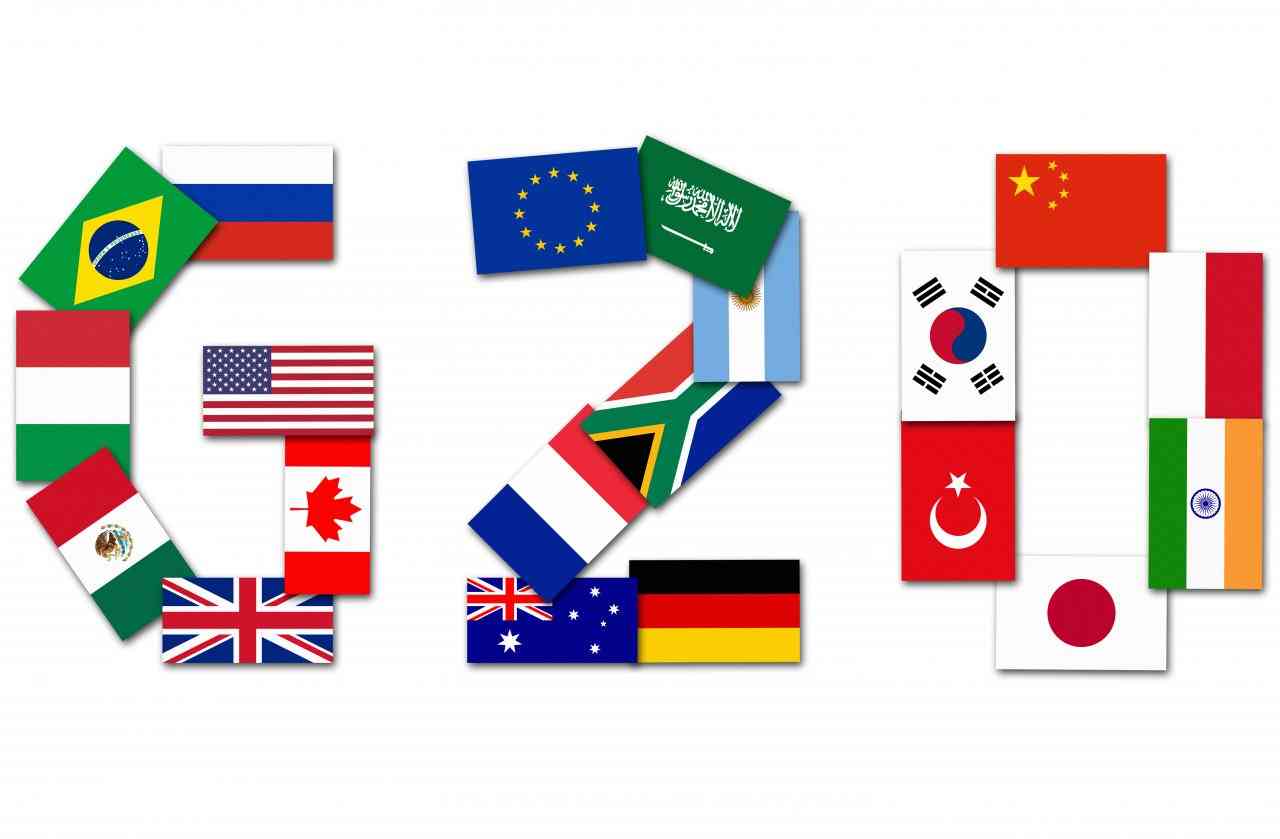
Contemporary developments within the international system surrounding the African Union admission as permanent member of the G20 marks a pivotal moment in this ongoing struggle.
This development represents not just a seat at a prestigious table but once again demonstrates the criticality of a transformative global order in knowledge system, power and humanity.
Geopolitics: A pivotal moment for amplifying Africa’s voice
For too long, Africa’s voice has been undermined, ignored, silenced and oppressed often on issues that shape its trajectory. The G20 platform enables the African Union to engage in critical global discussion addressing challenges such as resource management, poverty alleviation, health, underdevelopment, and climate change.
Notably, Africa is disproportionately impacted by climate change despite contributing minimally to global emissions. The African Union can advocate for climate finance and technology transfer to enhance resilience and adaptation.
Additionally the colonial arrogance exhibited in the advent of the Russo-Ukraine crises calls for unity of purpose among African countries.
- Open letter to President Mnangagwa
- Feature: ‘It’s worse right now than under Mugabe’: Sikhala pays the price of opposition in solitary cell
- Masvingo turns down fire tender deal
- Human-wildlife conflict drive African wild dogs to extinction
Keep Reading
South Africa’s presidency of the G20 further strengthens the African Union position by aligning with the AU’s Agenda 2063 and the United Nations Sustainable Development Goals, ensuring African interests are prioritised.
Synergy building: a game-changer
The African Union can leverage on its G20 membership by strengthening south-south co-operation, while associating within the international system on a changed basis, this is on the assumption that the continent cannot survive in isolation.
Under-development in Africa is conditioned by structural and historical factors, hence building stronger partnerships with other developing nations within the G20 allows Africa to pursue internal growth, share resources, increase trade and monetary and technical transactions.
The urgency for such co-operation was starkly illustrated during the outbreak of the COVID-19 pandemic where African States failed to manufacture their own vaccines and relied on charity and procurement of the vaccines from other States particularly in the global north.
Advocacy: an awakened giant
The African Union is strategically positioned to be a crucial advocate for African interests that are often overlooked by global powers. Issues like the standoff between South Africa and the US, as well as the visa ban on Zimbabweans, gain greater significance when addressed under the African Union’s umbrella than independently.
This collective approach empowers African nations to present a unified front, strengthening their bargaining position and amplifying their voices in international discussions.
African values: A new global power opportunity
The African identity is often burdened by negative stereotypes, portraying individuals as lacking values or associated with barbarism.
However, this narrative can change if the African Union leverages on its position to propagate authentic African values in global leadership institutions and to other countries.
For instance, just as the European Union focuses on multilateralism and the United States supports single-sex rights, the African Union can champion principles such as Ubuntu and ambitious initiatives like the African Continental Free Trade Area.
This strategy empowers African countries to reshape perceptions and strengthen their influence on the global stage.
Strategic networking: An opportunity for developing nations
The African Union member States face numerous challenges that require strategic networking with other countries and regional blocs. For instance, Zimbabwe’s commitment to being "open for business" can attract investment and strengthen economic ties, benefiting not just itself but the entire continent.
Similarly, the African Union’s involvement in the Democratic Republic of Congo is crucial for addressing ongoing conflicts and promoting stability.
By facilitating dialogue and collaboration among member States and international partners, the African Union can help to create sustainable solutions that enhance both economic growth and security.
This holistic approach positions the AU as a vital advocate for Africa’s interests on the global stage.
The road ahead: rebuilding an equal global structure
As 2025 unfolds with South Africa’s presidency of the G20 and its non-permanent membership of the United Nations Security Council, the African Union stands on the brink of a transformative opportunity through its G20 engagement.
This moment presents a chance to shift the narrative surrounding Africa, moving from perceptions of poverty to a focusing on the continent’s vast potential for economic growth and development.
To harness this opportunity, the African Union must prioritise strengthening partnerships with G20 nations and advocating for African interests and values.
Ultimately, the success of the AU’s G20 engagement hinges on the commitment of African leaders to confront structural imbalances.
The choices made in the coming years will define Africa’s position in the global political economy and determine whether the continent can realise its transformative potential.