GOVERNMENT has admitted it lacks comprehensive data on the mining sector’s actual energy consumption despite the industry being Zimbabwe's largest single electricity user, exposing a critical gap in national power planning at a time when electricity shortages continue to constrain economic growth.
Zimbabwe’s mining industry consumes about 16% to 20% of the nation’s total electricity, while the sector accounts for nearly 45% of the country’s combined industrial and mining energy demand.
The admission highlights a growing challenge for policymakers as mining activity expands, driven by increased base-metal, coal and lithium processing.
Without accurate data on the sector’s total energy requirements, including electricity generated from captive power plants, authorities risk underestimating future demand and making inadequate investments in generation and transmission infrastructure.
The mining sector is being driven by increased base-metal, coal and lithium processing, while national power demand fluctuates between 1 000MW and 1 700MW.
With local generation capacity frequently falling short of demand, mining firms rely heavily on electricity imports or are required by government to establish alternative power sources, such as captive solar plants.
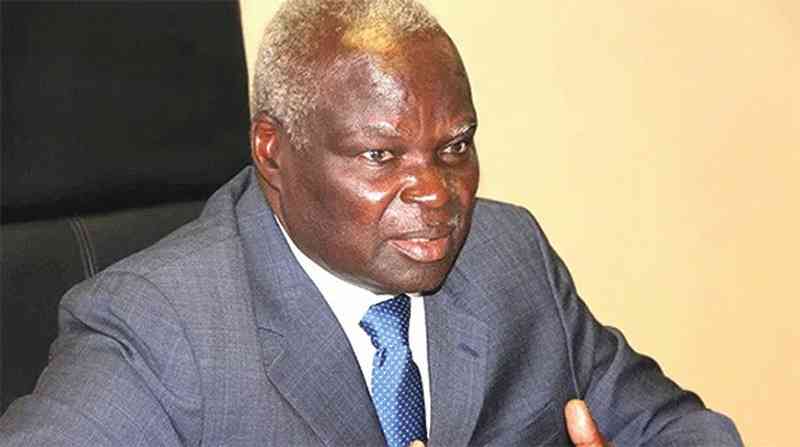
However, Energy and Power Development minister July Moyo said government does not have adequate statistics on the mining sector's total energy requirements, including electricity and petroleum products, making it difficult to accurately plan for the country's growing energy needs.
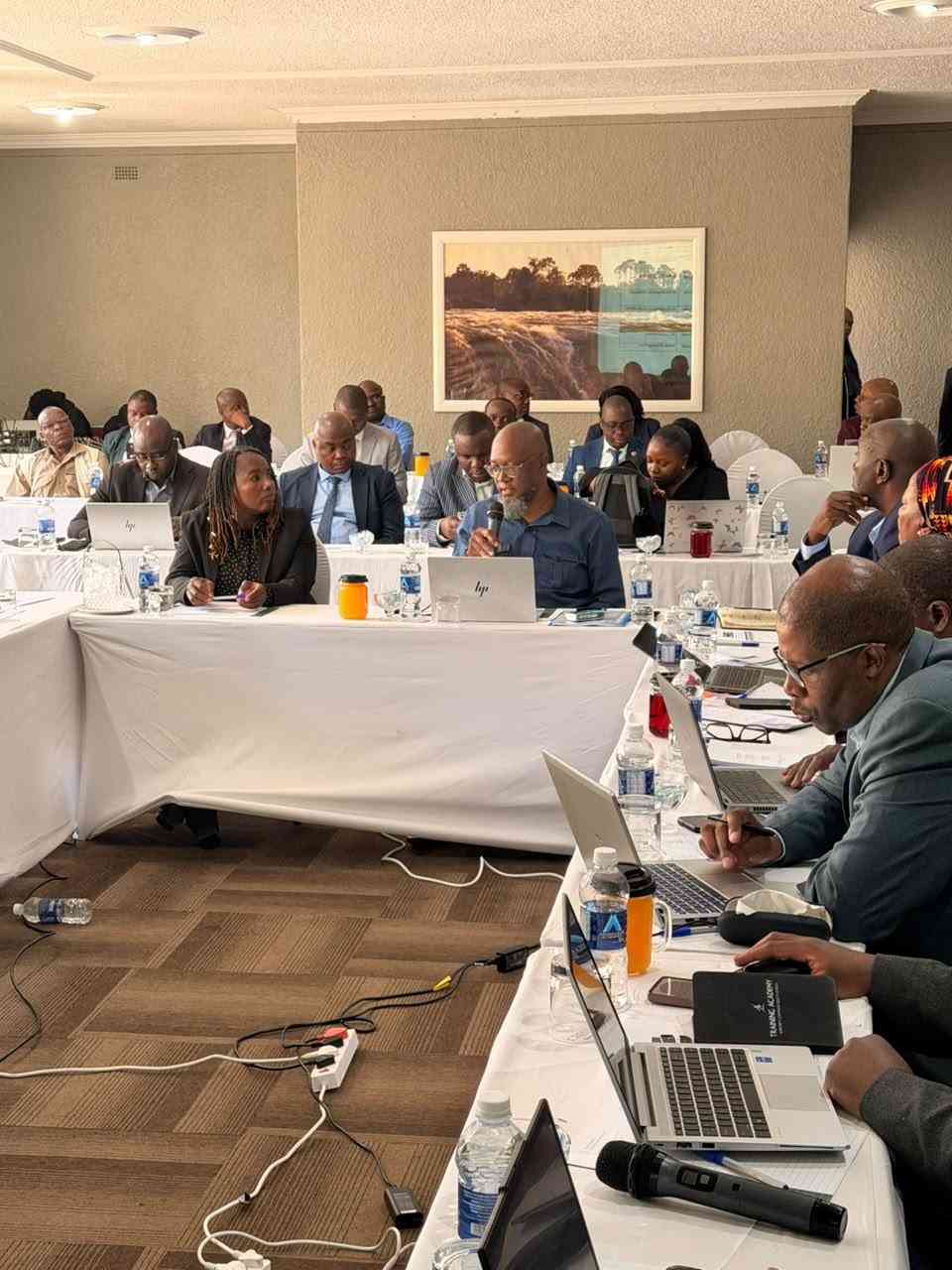
“I also want to urge that we lack the numbers, we lack the statistics from the mining sector more than any other sector, the statistics about the use of energy. This energy can be power,” he said while addressing delegates at the Chamber of Mines of Zimbabwe annual mining conference in Victoria Falls recently.
- Mines propose fresh power import deal
- Motorist robbed while relieving self
- RBZ shifts blame to companies
- Forex retention policies ruin mines
Keep Reading
"This energy can be petroleum, which is turned into power because you cannot do your excavations. You cannot do your deep mining. You cannot transport without either petroleum products or power itself."
Moyo said the absence of reliable statistics created a major gap in national energy planning at a time when mining remains the country's biggest consumer of electricity.
"Now, in the mining sector, we consume the single largest energy, 600 to 700 megawatts. Our supply sectors, our demand sector, are still not met," he said.
Mining accounts for between 600MW and 700MW of electricity demand, making it the country’s largest single power consumer. However, a significant portion of the sector’s energy use remains outside official government records because many companies generate their own electricity.
Zimbabwe has an installed electricity generation capacity of more than 3 000MW, but actual supply rarely exceeds 2 100MW owing to ageing infrastructure, periodic breakdowns at thermal power stations and other generation constraints.
Moyo acknowledged that government publishes weekly national power balance reports, but conceded that the figures do not present a complete picture of the country's electricity landscape.
"We have installed capacity of over 3 000 megawatts in the country, but our supply at most can go to 2 100MW," he said.
"Our power balance, which we give every week, has weaknesses which we are trying to correct. We are only keeping to ourselves what is being produced by Zesa and what is produced by others."
He said the reports excluded significant volumes of electricity generated and consumed by mining companies operating captive power plants, leaving government without a full understanding of the sector's actual energy demand.
“But there are a lot of other players, especially in the mining sector, who are not in our supply balance,” Moyo said.
The minister's remarks come as mining companies increasingly invest in solar plants, diesel generators and other captive power projects to cushion operations against persistent electricity shortages and rising production costs.
He said government wanted to work more closely with mining companies through technical working groups to improve data collection and build a more comprehensive picture of the industry’s energy requirements.
“So we look forward to working together and maybe these working groups can provide information that can come to us about the challenges that we are having,” he said.