FOR decades, the rumble of the commuter omnibus and more recently, pirate taxis, commonly referred to as mushikashika, defined the daily commute for thousands of urban residents.
It was a familiar ritual, commuters lining pot-holed roads, clutching dollar bills and squeezing into overcrowded vehicles operating on fixed routes.
The service was often slow, noisy and inconvenient, but for many, it was the only available option.
Then came the scooters.
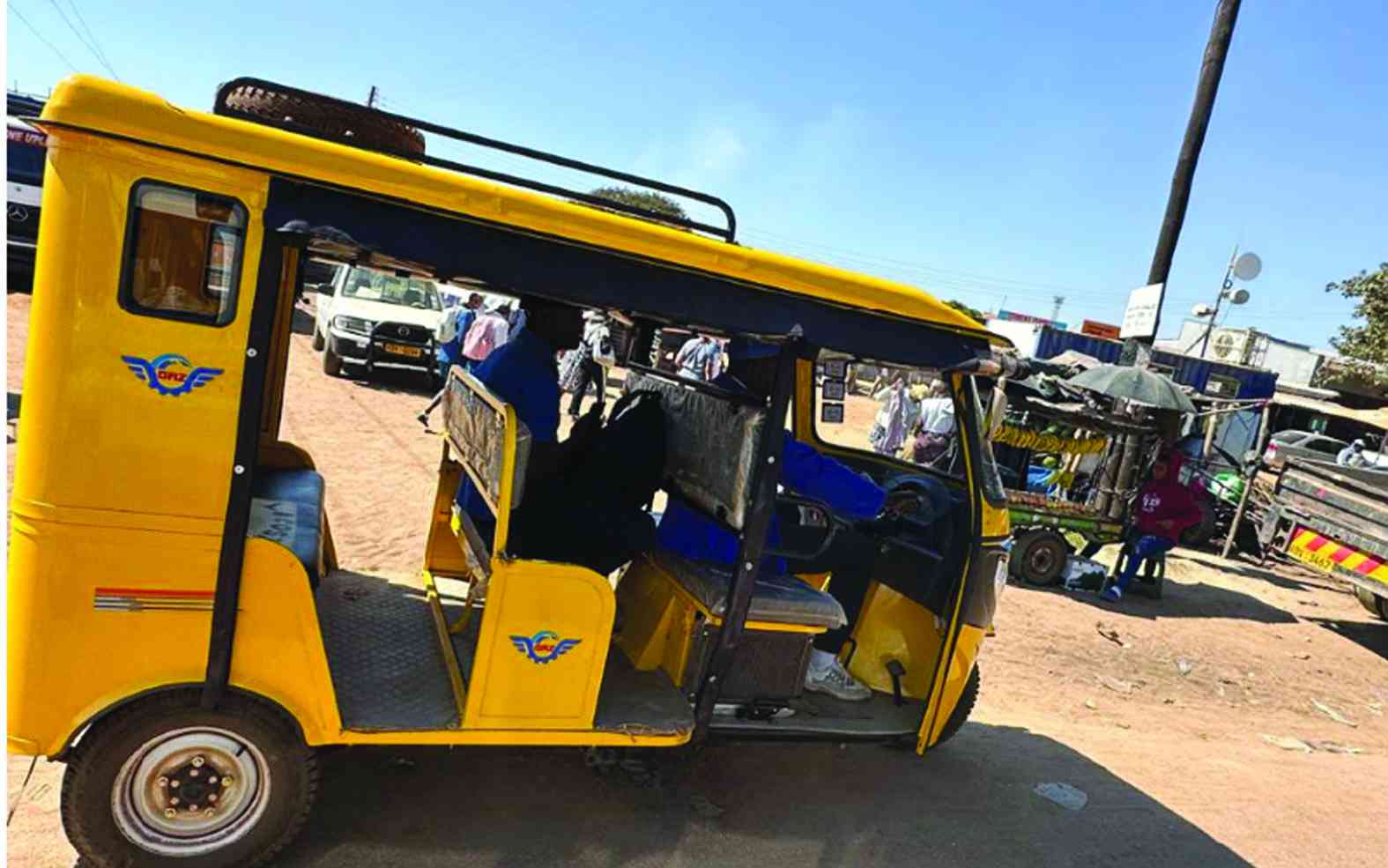
Almost overnight, a fleet of three-wheeled scooters appeared on Norton’s roads, offering commuters a cheaper and more flexible alternative.
Despite questions surrounding their licensing status, the scooters have rapidly gained popularity, challenging the dominance of traditional public transport operators.
Preliminary investigations by NewsDay Weekender suggest that many of the scooters may not be licensed to carry passengers.
However, commuters interviewed expressed overwhelming support for the new mode of transport.
- Police intensify crackdown on pirate taxis
- Govt moves to restore sanity on Harare roads
- Govt must sort out traffic jams
- Mupfumi loses US$52 000 to armed robbers
Keep Reading
Mercy Chihowa, a resident of Norton, said the scooters had become a lifeline for many residents following recent fare increases by mushikashika operators.
“They are a blessing to us after mushikashika operators increased fares, citing fuel price hikes,” she said.
“We now pay US$0,50 from one location to another, compared to the US$1 charged by commuter omnibuses.”
Another resident, Tamuka Ndangana, praised the convenience offered by scooter operators.
“Scooters drop us right at our homes. They are especially useful at night when cases of mugging increase in Norton,” Ndangana said.
Scooter driver Emmanuel Chopela said business was booming as commuters increasingly opted for the cheaper and more personalised service.
“Business is good,” he said.
“We are making a lot of money compared to our expenses because commuters prefer us.
“We drop them at their doorsteps.”
Chopela said on a good day, he earns around US$30.
Mostly, his major cost is fuel: US$5.
“On a good day I can make about US$30 using fuel worth US$5.”
Chopela added that home delivery services had further boosted demand for scooters.
Another scooter operator, who identified himself as Maynard, said low maintenance costs were helping drivers make healthy profits.
“Besides consuming very little fuel, scooters are cheap to maintain and service,” he said.
However, traditional transport operators are pushing back against the growing trend.
Commuter omnibus operator Richmond Marufu urged authorities to remove the scooters from the roads, arguing that they are not licensed to carry passengers.
“Police should act swiftly to remove these scooters from the roads since they are not licensed to carry passengers,” he said.
National police spokesperson Commissioner Paul Nyathi said authorities would investigate whether the scooters were properly registered and licensed.
“We will check where they are operating to determine whether they are registered and licensed to carry passengers,” he said.
“We do not want our roads to become a jungle.”
Nyathi added that consultations with the ministries of Transport and Local Government would be necessary to address the issue.
The emergence of scooters highlights a growing demand for affordable, convenient and flexible transport solutions.
By cutting fares to as little as 50 cents and providing door-to-door service, scooter operators have tapped into a market long frustrated by rising transport costs and rigid routes.
As traditional commuter omnibuses and mushikashika operators struggle to compete, Norton’s commuters appear to be voting with their wallets embracing a transport revolution that is rapidly reshaping the town’s mobility landscape.