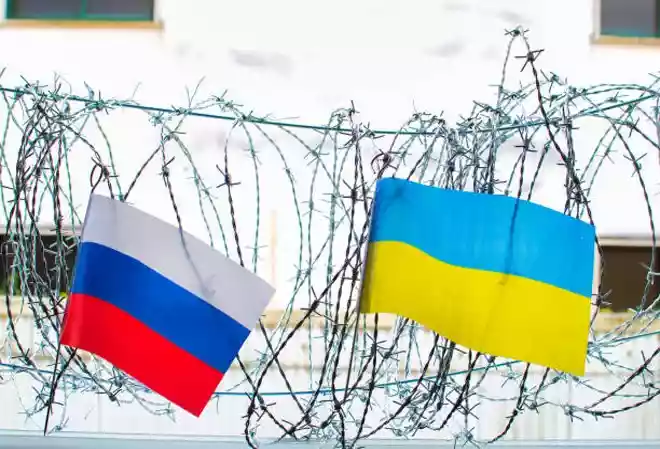
ZIMBABWE’S non-aligned diplomatic stance faces intense scrutiny following a freshly released United Nations report highlighting the country’s reluctance to take sides in the ongoing Russia-Ukraine conflict, among others.
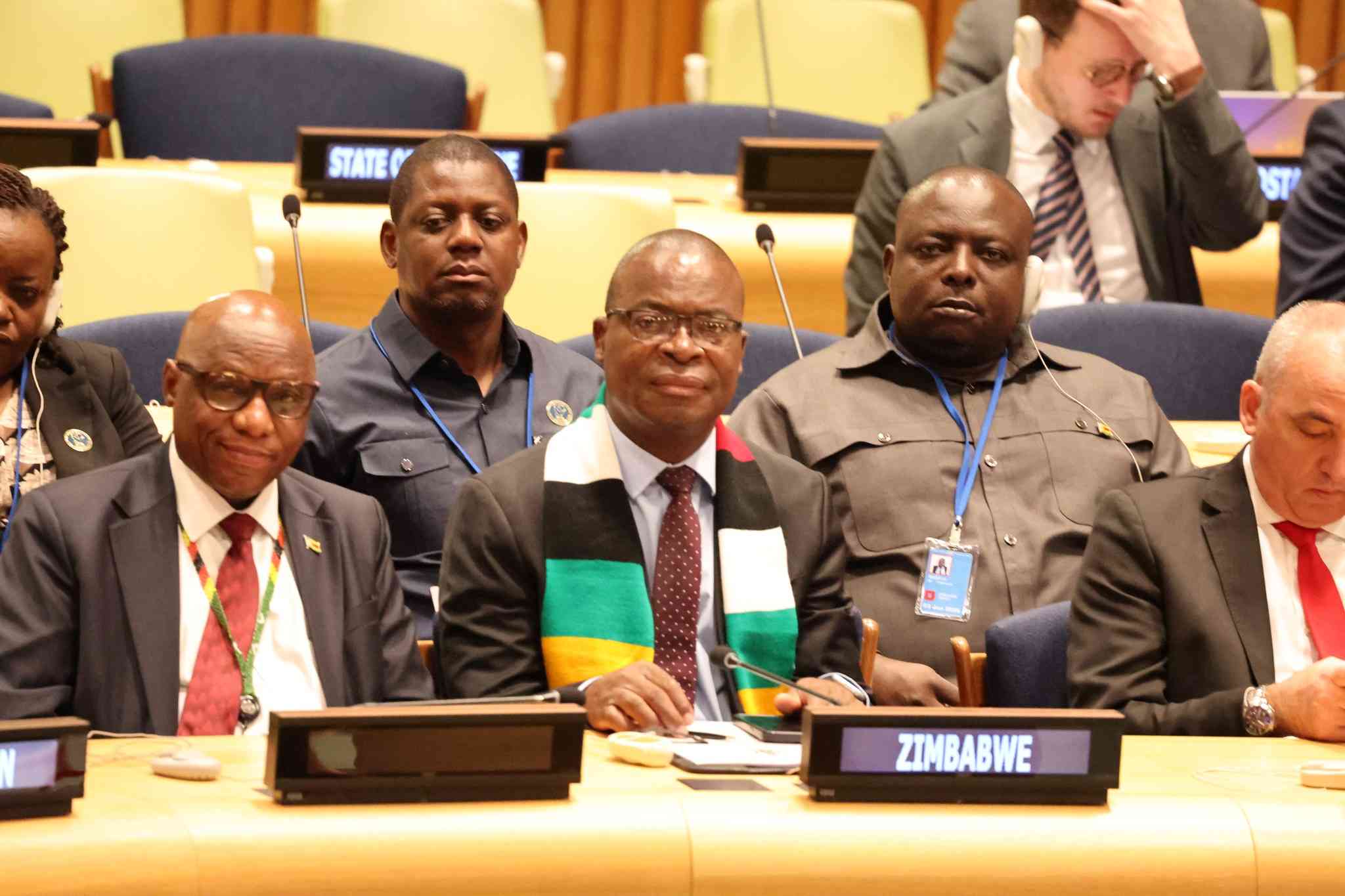
In elections that stated yesterday, Zimbabwe is seeking to secure a non-permanent seat in the United Nations Security Council (UNSC) for the 2027-28 period.
The election takes place through a secret ballot in the United Nations General Assembly Hall and a country needs to secure a two-thirds majority from voting member States present at the time.
There are 193 UN member States and Zimbabwe needs at least 129 to secure a seat.
However, a Security Council Report released on June 1 this year reveals that Zimbabwe and Kyrgyzstan stand out among the 2027 UNSC candidate countries for their specific voting patterns regarding Ukraine.
Both nations abstained from the crucial February 24, 2025 General Assembly resolution titled Advancing a Comprehensive, Just and Lasting Peace in Ukraine, while all other competing candidate countries voted in favour.
According to the report, these positions reflect differing regional and political perspectives.
“The positions of the 2027 candidates on Ukraine are likely to reflect differing regional and political perspectives,” the report read.
- Mavhunga puts DeMbare into Chibuku quarterfinals
- Bulls to charge into Zimbabwe gold stocks
- Ndiraya concerned as goals dry up
- Letters: How solar power is transforming African farms
Keep Reading
The findings emphasise that the abstentions by Harare and Bishkek represent an entrenched and growing reluctance among some global south countries to take sides, a geopolitical trend that hardened through 2026 and is expected to dominate UNSC dynamics into 2027.
“Among the candidate countries, only Kyrgyzstan and Zimbabwe have not signed the Accountability, Coherence and Transparency (ACT) Group’s Code of Conduct regarding Security Council action against genocide, crimes against humanity or war crimes, which calls on all council members to not vote against any credible draft resolution intended to prevent or halt mass atrocities,” the report also revealed.
Zimbabwe’s voting record also remains a point of friction with Western powers.
“Seven member States — Austria, Germany, Kyrgyzstan, Philippines, Portugal, Trinidad and Tobago and Zimbabwe — are running for the five available seats.
“Trinidad and Tobago and Zimbabwe are both running for uncontested seats. Six out of the seven candidates have served on the council previously. Zimbabwe served twice and Trinidad and Tobago once. Kyrgyzstan has never served on the council,” the report added.
Ever since the outbreak of the war, Harare has consistently maintained a policy of strategic neutrality, opting to abstain from several major resolutions aimed at isolating Moscow.
According to political commentators, Zimbabwe’s decisions are heavily informed by its long-standing bilateral ties with Russia, alongside a broader foreign policy doctrine that rejects Western-backed punitive measures.
In an interview with NewsDay, political analyst Rejoice Ngwenya warned that Zimbabwe might remain excluded from global trade deals if it continues to be reluctant to take sides.
“The Russia-Ukraine war has polarised the globe. Look, even South Africa with its ambivalence has suffered little, apart from AGOA threats. I think Zimbabwe’s stance is consistent with its pariah status,” he said.
“Zimbabwe is friends with Belarus and Russia, so it is not correct that they do not take sides. The country will remain excluded from global trade deals, not to mention facing the wrath of the US.”
However, another analyst Rashweat Mukundu supported the government’s “friends of all, enemy of none” policy, saying it protects civilians and public infrastructure.
“Zimbabwe has a right to maintain a non-aligned position. A non-aligned position means that Zimbabwe is in a position to talk to the warring sides, to Ukraine and to Russia and use that leverage and position of non-alignment to contribute to peace. It does not serve Zimbabwe's national interest to take sides with either of the parties,” he told NewsDay.
Mukundu said Zimbabwe needed to remind the warring parties of international law and conventions, “be it on non-aggression or the sovereignty of each member State”.
He said the world was too polarised along ideological lines, alliances and friendships, which might not serve the interests of the international community.
“It makes sense that Zimbabwe maintains a neutral position and engages both sides on pathways towards peace,” he said.
Government officials have routinely used international forums to argue that dialogue, rather than unilateral sanctions or isolationist votes, is the only sustainable mechanism to resolve global disputes.
However, the UN report noted that Zimbabwe’s stance is not isolated but part of a broader ideological shift within developing nations.
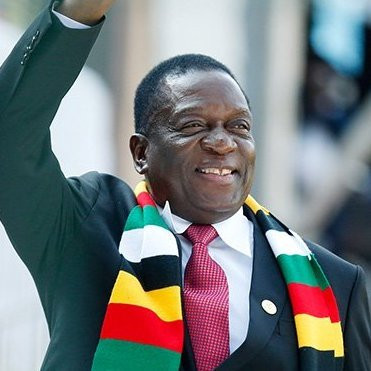
“Friend to all and enemy to none” is a foreign policy doctrine of Zimbabwe’s second republic, introduced by President Emmerson Mnangagwa when he assumed power in late 2017.
The policy marks a deliberate departure from the isolationist, highly confrontational rhetoric of the Robert Mugabe era, aiming to rebuild shattered international ties.