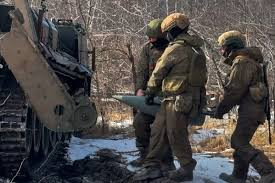
ILLEGAL recruiters linked to the ongoing Russia-Ukraine war have reportedly devised new tactics to lure Zimbabweans to the conflict, raising fresh concerns about human trafficking and exploitation.
Authorities believe the recruiters are changing strategies to evade detection at ports of exit, using deception and indirect travel arrangements to move recruits out of the country.
Investigations by NewsDay revealed that recruiters are now using scholarships and education cover.
Recruiters lure targets by offering fake or misleading scholarships to universities in Russia or allied countries, presenting them as fully-funded opportunities.
It emerged that recruits are assisted with application documents and travel arrangements, but upon arrival or in transit, they are redirected to military-linked roles instead of academic programmes.
It also emerged that recruiters are using multi-country transit routing instead of sending recruits directly to Russia.
Agents move them through two or more countries under the guise of tourism or short-term employment.
This tactic helps to avoid detection at departure points and makes it difficult for authorities to trace the final destination or identify patterns in the recruitment network, investigations revealed.
- Mavhunga puts DeMbare into Chibuku quarterfinals
- Bulls to charge into Zimbabwe gold stocks
- Ndiraya concerned as goals dry up
- Letters: How solar power is transforming African farms
Keep Reading
The latest incident occurred at Joshua Mqabuko Nkomo International Airport, where two brothers were intercepted, while attempting to board a flight to Russia.
The pair claimed it was travelling to attend an open-day at a university in Moscow, but authorities grew suspicious and offloaded them before departure.
Speaking at a recent Press conference in Harare, Information, Publicity and Broadcasting Services minister Zhemu Soda warned that Zimbabweans were being targeted by unscrupulous agents.
At least 15 Zimbabweans are believed to have died after being recruited to the conflict under false pretences.
Analysts said the latest developments pointed to a deliberate shift in recruitment tactics, with investigations by international media indicating that Russian authorities had quietly restricted recruitment from at least 43 countries, many of them in Africa, in an apparent effort to avoid diplomatic fallout.
Countries such as Kenya, Nigeria, South Africa and Angola are reportedly on the list, while Zimbabwe and several others including Zambia, Malawi and the Democratic Republic of Congo remain exposed.
“This is not an accident. Recruitment is being redirected to countries where oversight is weaker and diplomatic resistance is limited. This is no longer just a foreign policy issue, it is a national security and human rights crisis,” said one Harare-based policy expert.
Human rights activist Iphithule Maphosa said recruiters were exploiting economic hardship, targeting young people with promises of lucrative jobs abroad.
“They advertise jobs in construction, security or logistics, but once individuals leave the country, the reality changes,” he said.
“What we are seeing is organised trafficking into a war zone. This is modern-day exploitation dressed up as opportunity.”
Activist Khumbulani Malinga called on the government to take action to protect citizens.
“The government must act decisively to protect its people. We cannot allow Zimbabweans to be treated as expendable in a foreign conflict,” Maphosa said.
Analysts and civil society groups called on authorities to urgently strengthen screening systems at border posts, clamp down on unregistered recruitment agencies and launch public awareness campaigns to warn citizens about the risks of overseas job scams linked to military enlistment.
They also called for stronger diplomatic engagement with Moscow and support systems for affected families.