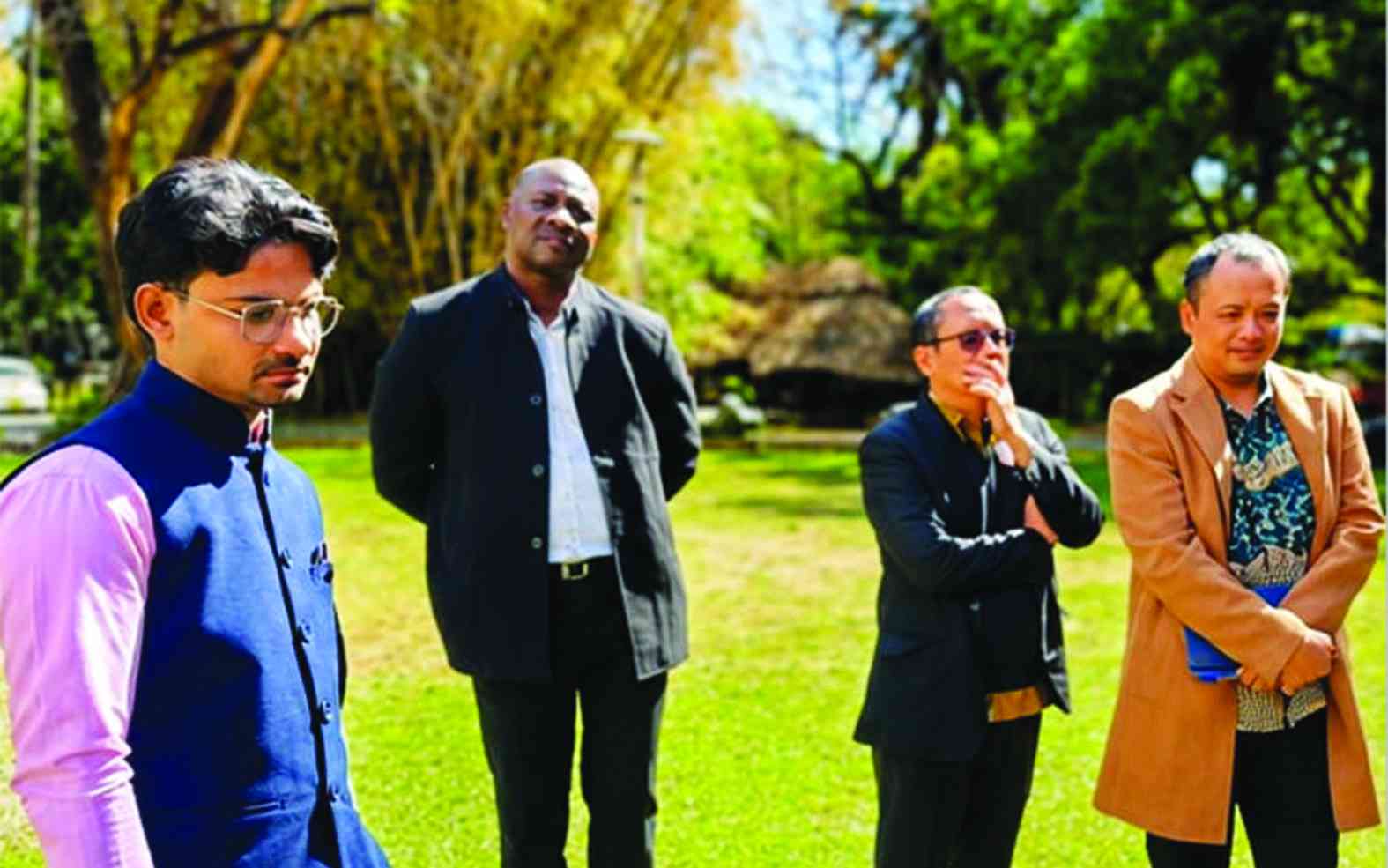
THE Zimbabwean Society of Archivists (ZIMSA) has formalised regional collaboration by signing a memorandum of understanding (MoU) with the Association of Records Managers and Archivists of Malawi (ARMA–Malawi).
The agreement signed in Harare establishes a framework for joint work in records management and archival practice, prioritising professional development, knowledge exchange, capacity building and improved information governance across the region.
The MoU signals a strategic step in elevating archival standards regionally, creating structured platforms for training, research and digital innovation to strengthen institutions, safeguard heritage, and professionalise record management.
ARMA-Malawi president Alufeyo Manda described the MoU as the association’s first formal partnership with Zimbabwe, expressing hope that the collaboration will extend to other southern African countries.
ZIMSA president Plaexedes Ruzayi reaffirmed the society’s commitment to mutual support and collective efforts to advance the profession for institutions, practitioners and future generations.
“Capacity building will go beyond workshops to strengthening institutional frameworks, supporting modern records systems and guiding organisations through digital transformation,” she said.
“Knowledge exchange is a core component: joint forums and practitioner exchanges will be institutionalised to leverage regional expertise and position Zimbabwe as an active contributor to professional thought leadership.”
- Teachers to embark on a go-slow
- Teachers to embark on a go-slow
- Teachers to embark on a go-slow
- Govt scraps bonuses for chefs
Keep Reading
"ZIMSA intends to engage policymakers, contribute to legislative reviews and champion frameworks that recognise information governance as a strategic national priority.
“Since its formation in 2015, ZIMSA has pursued regional recognition and best-practice adoption in records and archive management.
“The organisation has identified specific areas where Malawian support will be valuable, including capacity-building workshops, knowledge exchange on digital record management, joint research projects, professional training, collaborative conferences and exchange visits to
enhance skills and share best practices,” she said.
Ruzayi highlighted areas where Malawian support will be particularly valuable, including joint research projects, professional training, collaborative conferences and exchange visits. She also noted ZIMSA’s engagement with the Public Service Commission to improve career progression for records management professionals, as well as participation in international archival symposiums and collaboration with FamilySearch International.
Ruzayi stressed the broader value of records and archives, adding that record and archive management underpinned institutional integrity, national memory, and sustainable development.
“Therefore, by elevating records to a strategic centre of governance, institutions can strengthen accountability, protect heritage and empower future generations.
“ZIMSA’s vision is to professionalise the field through national advocacy, strategic partnerships and digital innovation so archives remain relevant in an increasingly information-driven world,” she said.
ZIMSA maintains a close working relationship with the National Archives of Zimbabwe, aligning efforts on standards, capacity building, policy and best practices to enhance legitimacy and national impact. Through these partnerships, the society aims to cement the profession’s authority and contribute to Zimbabwe’s broader development.