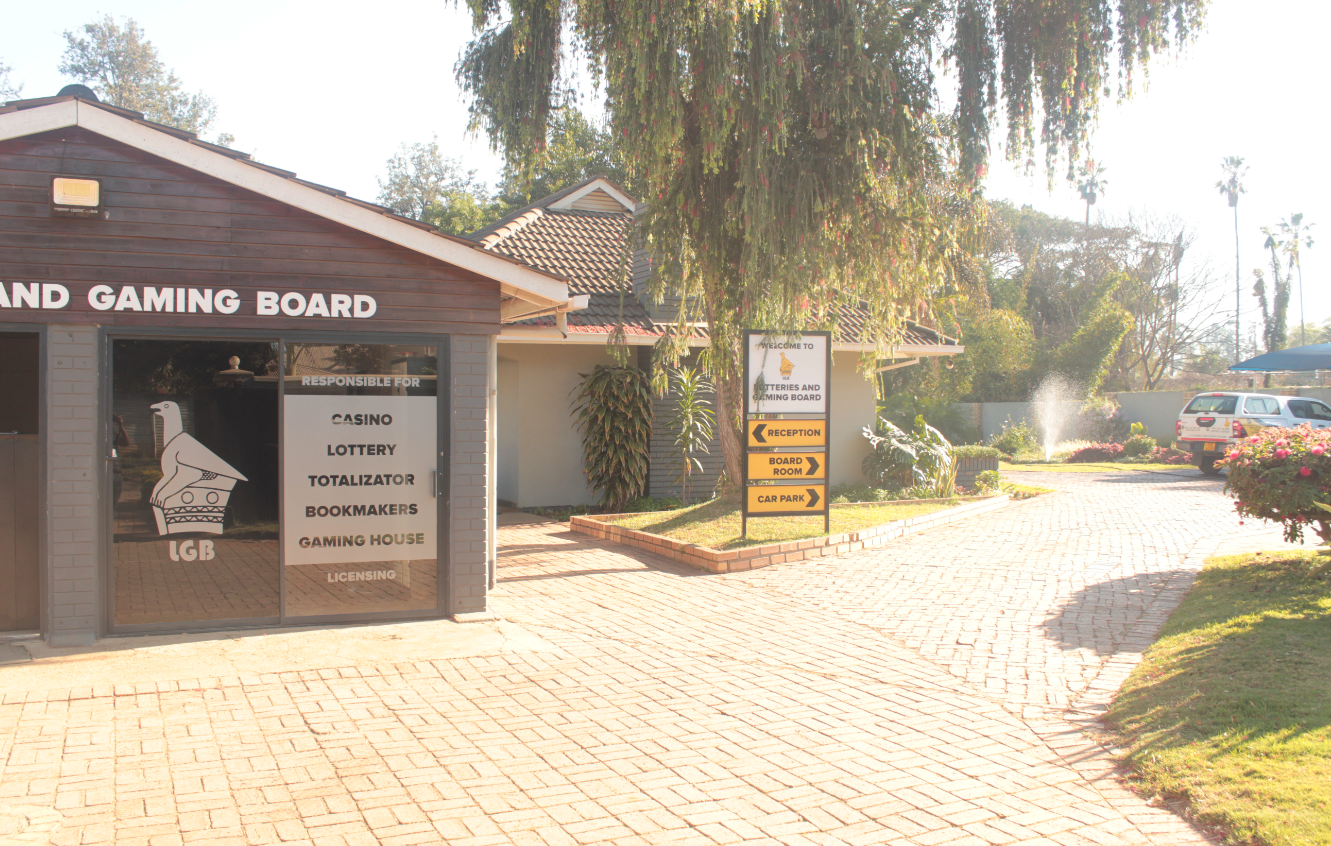
THE Lotteries and Gaming Board (LGB)’s corporate social responsibility projects have significantly improved access to health, education and sporting facilities in marginalised communities, a Parliamentary Committee has reported.
The board has gone beyond its traditional role of regulating the gaming industry by funding community development initiatives across the country.
According to a report presented this month to Parliament by the Portfolio Committee on Defence, Home Affairs, Security Services and War Veterans’ Affairs, LGB’s projects are aligned with the National Development Strategy 1, contributing to inclusive development in health, education, sports, and heritage preservation.
“The interventions by the LGB have significantly improved service delivery in previously underserved communities.
“These initiatives have not only advanced the implementation of key national policy frameworks, but have also played a pivotal role in bridging critical infrastructure gaps,” read the report.
The committee said it conducted field visits from June 16 to 20 in Mutasa, Gutu, Zaka, Lupane and Kadoma to assess the impact of projects funded through the board’s 1,8% allocation from a 2% levy collected from bookmakers.
“In Zaka, the construction of Harava Clinic and a mothers’ waiting shelter has brought relief to more than 9 000 people from 22 villages who previously travelled long distances to access medical services.
“At Pupu Clinic in Lupane, which serves an estimated 6 000 people, before the clinic was constructed, people travelled nearly 80 kilometres to Lupane District Hospital and now it attends to about 60 outpatients per day and record an average of three births per week,” read the report.
- More woes for suspended Cottco boss
- ‘Zec refuses to release voters roll’…Mangwana, Silaigwana evasive
- In Full: Nineteenth post-cabinet press briefing: July 05, 2022
- Health talk: Be wary of measles, its a deadly disease
Keep Reading
However, legislators raised concern over poor maintenance of the same facility.
“The clinic has gone for months without electricity due to non-payment of bills, and there are visible structural cracks that require urgent attention,” the report said.
The report also noted that in Mutasa, there was refurbishment works at Herbert Chitepo Skills Training Centre and it increased enrolment numbers from 20 to 80 students per term.
“Prior to the intervention, the centre could only accommodate 20 students per term. Enrolment has since increased to 80 students, and we are attracting learners from across the country.
“A new skills training block is under the construction and would accommodate up to 250 students once completed but, the project stalled after the contractor requested an additional US$14 300, citing under-budgeting,” read the report.
The LBG said that at Elim Primary School in Penhalonga, enrolment reportedly rose from 90 to 320 pupils following the construction of a classroom block.
The board said it also invested in sporting facilities at Karigamombe Secondary School in Kadoma and Mabikwa High School in Lupane.
LBG also highlighted it made strides in heritage preservation through projects at Pupu Heritage Site in Lupane and Kamungoma Heritage Site in Gutu which are attracting tourists and school learners.
Despite the positive impact, the committee noted official delays and slow approval processes by some government departments.
“The approval process for housing plans was generally prolonged, resulting in missed project deadlines,” the report stated.
The committee recommended that the levy collected from licensed bookmakers be increased from 2% to at least 4% to strengthen the board’s resource base.
It also called for improved maintenance of infrastructure by responsible authorities and delegation of certain financial approval powers to management to avoid project delays.
“While the Lotteries and Gaming Board has laid a strong foundation for community transformation, sustained success will depend on robust governance, strategic partnerships and efficiency,” the committee said.