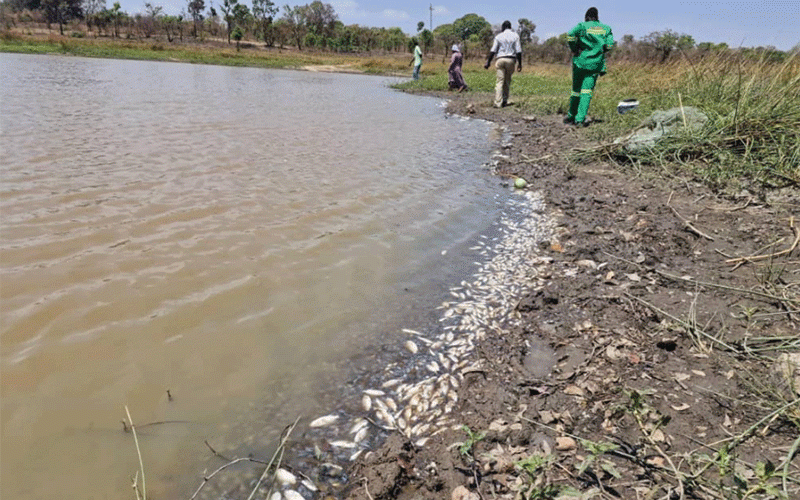
SEVERAL fish species have died in the Piriviri River in Kenzamba, Makonde district, following suspected water contamination caused by chemicals allegedly being used by miners upstream in the last few days.
Environmental Management Agency (EMA) provincial spokesperson Munyaradzi Nhariswa confirmed the incident, but said the situation is not as widespread as portrayed on social media.
“Our team visited the area yesterday, but the situation is not as bad as being exaggerated on social media,” Nhariswa said.
However, he noted that EMA was still conducting investigations to establish the extent of the contamination.
“I cannot comment further at this stage since investigations are still ongoing and water samples are yet to be fully tested to determine how far the problem has spread.”
Makonde Member of Parliament Simbarashe Ziyambi also confirmed the fish deaths, but cautioned against speculation before the completion of investigations by EMA.
“We were on the ground and, indeed, fish are dying.
“EMA has been notified, and until we receive an official position from them, what is being said on social media remains hearsay,” he said.
- Byo author eyes SA award
- WB revises downwards Zim growth
- Letters: Zanu PF to blame for anything wrong in Zim
- Shortages show the poverty of ideas in govt
Keep Reading
Local traditional leader Sabhuku James Marima described the situation as dire, saying the river is the main source of water for villagers and their livestock.
“The water has been poisoned by chemicals being used by miners upstream,” he said.
“This river is our only source of water, and now we have nowhere safe to drink from.
“These miners should at least drill boreholes for the affected communities.”
As the rainy season intensifies and rivers continue to swell and flow into connected waterways, concerns are growing that chemical pollutants could spread beyond Piriviri River, potentially affecting downstream communities and ecosystems.
Environmental experts warn that during periods of heavy rainfall, contaminated water can travel faster and over longer distances, increasing the risk to human health, livestock and aquatic life.
EMA’s findings will be crucial in determining the scale of the damage and whether urgent containment and remediation measures are needed to prevent wider environmental harm.