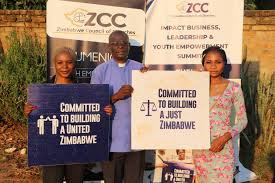
THE Zimbabwe Council of Churches (ZCC) has urged the government to conduct a transparent dialogue on the European Union-Eastern and Southern Africa (EU-ESA) Economic Partnership Agreement (EPA), emphasising the need for national stakeholder engagement and public awareness, as the process remains in limbo.
Zimbabwe is involved in ongoing negotiations under the EU–ESA EPA, which serves as a framework guiding the country’s trade relations, market access and development co-operation with the European Union.
In a statement, ZCC revealed that knowledge gaps across government institutions, limited inter-agency co-ordination and minimal engagement of civil society and private sector players are evident in the EPA discussions.
EPAs have for some time been reported to favour the EU more than they serve the interests of Zimbabwe and the other African countries involved.
“Zimbabwe has continued to participate in the EPA negotiation processes alongside regional partners, yet national stakeholder engagement and public awareness remain limited,” the ZCC statement read.
“EPAs largely favour the interests of the EU more than they serve the interests of Zimbabwe and the other 5 ESA countries.
“This observation is consistent with the fact that the EU has continued to benefit from the export of cheap primary and raw materials from Zimbabwe and other ESA countries under the interim Economic Partnership Agreement.”
“The EU will continue to do so under the comprehensive EPA. This situation implies crippled opportunities for industrialisation and job losses.”
- Zim must step up to increase exports: UK
- Cleric at Zanu PF congress sends tongues wagging
- Cleric at Zanu PF congress sends tongues wagging
- ‘3,8% economic growth not feasible’
Keep Reading
In 2024, total trade between the EU and Eastern and Southern Africa countries amounted to €9,3 billion.
The region’s main exports to the EU included unprocessed tobacco, coffee, preserved or prepared fish, crude oil, cut flowers and vanilla.
The EU’s primary exports to the ESA region consisted of machinery and appliances, transport equipment and chemicals.
ZCC indicated that the government should ensure that national interests, economic priorities and livelihoods are fully protected.
“As the process advances, it remains essential to ensure that national interests, local economic priorities and livelihoods are fully reflected and protected,” the statement read.
“Building on its previous EPA research and multi-stakeholder engagements, the Zimbabwe Council of Churches seeks to continue promoting informed and inclusive participation in the EPA process.”
ZCC revealed that several stakeholders, including small-to-medium enterprises, women and youth in trade, among others, remain insufficiently informed or represented in the shaping of trade commitments.
“ZCC recognises the role of the church as a moral voice and convenor in advancing economic justice and inclusive development.
“In 2024, ZCC commissioned a research study to examine Zimbabwe’s position in the EPA process and the extent of participation by non-State actors.”
“Many stakeholders, including SMEs, women and youth in trade and rural producers, remain insufficiently informed or represented in shaping national trade commitments and long-term development implications.”