THE echoes of heated parliamentary debates still linger, as Zimbabweans find themselves embroiled and divided in a sensitive tug-of-war over the government’s reluctance to ring-fence health-related taxes.
While progressive legislators passionately argue for earmarking these funds to bolster the country’s ailing healthcare system, Finance and Justice ministers remain hesitant and arrogant, sparking a wave of discontent and anger among the citizens.
NewsDay delves into the narratives and discourses that have gripped the nation, shedding light on the perspectives of healthcare experts, independent health economists and policymakers as they navigate this critical and topical issue.
In the heart of Zimbabwe’s capital, the halls of Parliament recently reverberated with the impassioned cries of lawmakers as they fought to secure a lifeline for the country’s healthcare sector.
At the centre of the debate was a proposed amendment to the 2025 Finance Bill, tabled by Dzivarasekwa legislator Edwin Mushoriwa, which sought to legally ring-fence health-related taxes and levies.
Mushoriwa’s proposal struck a chord with many citizens, who have long been frustrated by government’s perceived reluctance to adequately fund the public health system.
“For years, we’ve watched as these taxes and levies have been collected in the name of our wellbeing, only to see our hospitals and clinics struggle with chronic shortages of medicine, equipment and basic services,” lamented Tendai Mupfurutsa, a resident of Harare’s Mbare high-density suburb.
The legislator’s argument was clear: while the government has imposed a range of health-related taxes, including a 5% airtime, mobile data levy, a tax on sugar-sweetened beverages and a portion of alcohol excise duty, these funds have not been effectively channelled to strengthen the country’s healthcare infrastructure.
- Budget dampens workers’ hopes
- Govt issues $24 billion Covid-19 guarantees
- Letter to my People:They have no answers for Nero’s charisma
- ZMX to enhance farm profitability
Keep Reading
“It’s a matter of accountability and transparency,” Mushoriwa told the House.
“These taxes are meant to improve the health and well-being of our citizens, but the reality on the ground tells a different story.
“We need to ensure that the money collected is directly reinvested into the healthcare system, where it can make a tangible difference.”
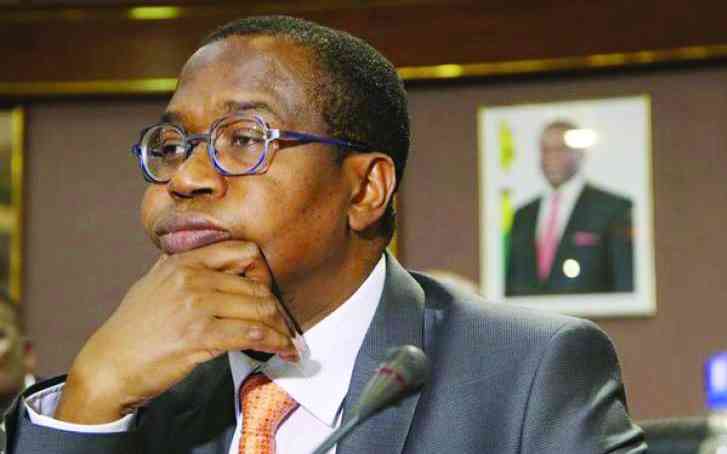
However, Finance minister Mthuli Ncube and his Justice counterpart Ziyambi Ziyambi were quick to push back against the proposal, arguing that the government needed more time to examine the implications of ring-fencing these funds.
“While the intent behind the amendment is admirable, we must approach this issue with caution and careful consideration,” Ncube tried to reason with the heavily upset National Assembly.
“Ring-fencing these revenues could have unintended consequences on the broader fiscal landscape and we owe it to our citizens to thoroughly analyse the potential impacts before taking such a decisive step.”
Healthcare experts and independent health economists see this reluctance to commit to the ring-fencing proposal as a missed opportunity to bolster the country’s struggling public health system.
“The government’s position is deeply disappointing,” laments Bernard Nkala, a respected healthcare economist.
“These health-related taxes were introduced with the promise of improving medical services and supporting key and vulnerable populations, yet the reality is that the funds have been siphoned off to other areas of government spending.”
Nkala’s sentiments were echoed by Itai Rusike, the executive director for the Community Working Group on Health.
“Earmarking health-related taxes is crucial for ensuring transparency and directing resources where they’re needed most,” Rusike said.
“The government owes it to its citizens to ensure these funds directly benefit the ailing public health system.”
Tonderayi Kadzere, a senior policy planner at the Health and Child Care ministry, said advocacy on this policy issue has been on-going for a number of years.
“We’ve been advocating for years to have these earmarked funds directly channelled to our ministry and we are still advocating,” he noted.
The recent parliamentary debate, which descended into chaos close to midnight, underscored the deep divisions that have emerged within the Zimbabwean society over this critical policy issue.
While some citizens remain sceptical of the government’s motives, others are hopeful that the proposed amendment will finally bring about the much-needed reforms to the healthcare system.
The ongoing debate over ring-fencing health taxes mirrors similar struggles across the southern Africa region.
Countries like Kenya and South Africa have implemented successful models of earmarking health-related revenues, providing blueprints for Zimbabwe to replicate.
These regional examples offer hope that dedicated funding can strengthen public healthcare systems and improve access to essential health services.
“This is a fight for our future,” says Mupfurutsa.
“We pay these taxes in good faith, expecting that the money will be used to improve our access to quality and state-of-the-art medical care.
“If the government refuses to ring-fence these funds, it’s a clear indication that it is more concerned with its own interests than the well-being of citizens.”
As the debate continues to rage on, the fate of Zimbabwe’s healthcare system hangs in the balance.
With the government’s reluctance to commit to the ring-fencing proposal, citizens are left to wonder whether their health-related taxes will ever truly benefit the very communities and citizens they were designed to serve.