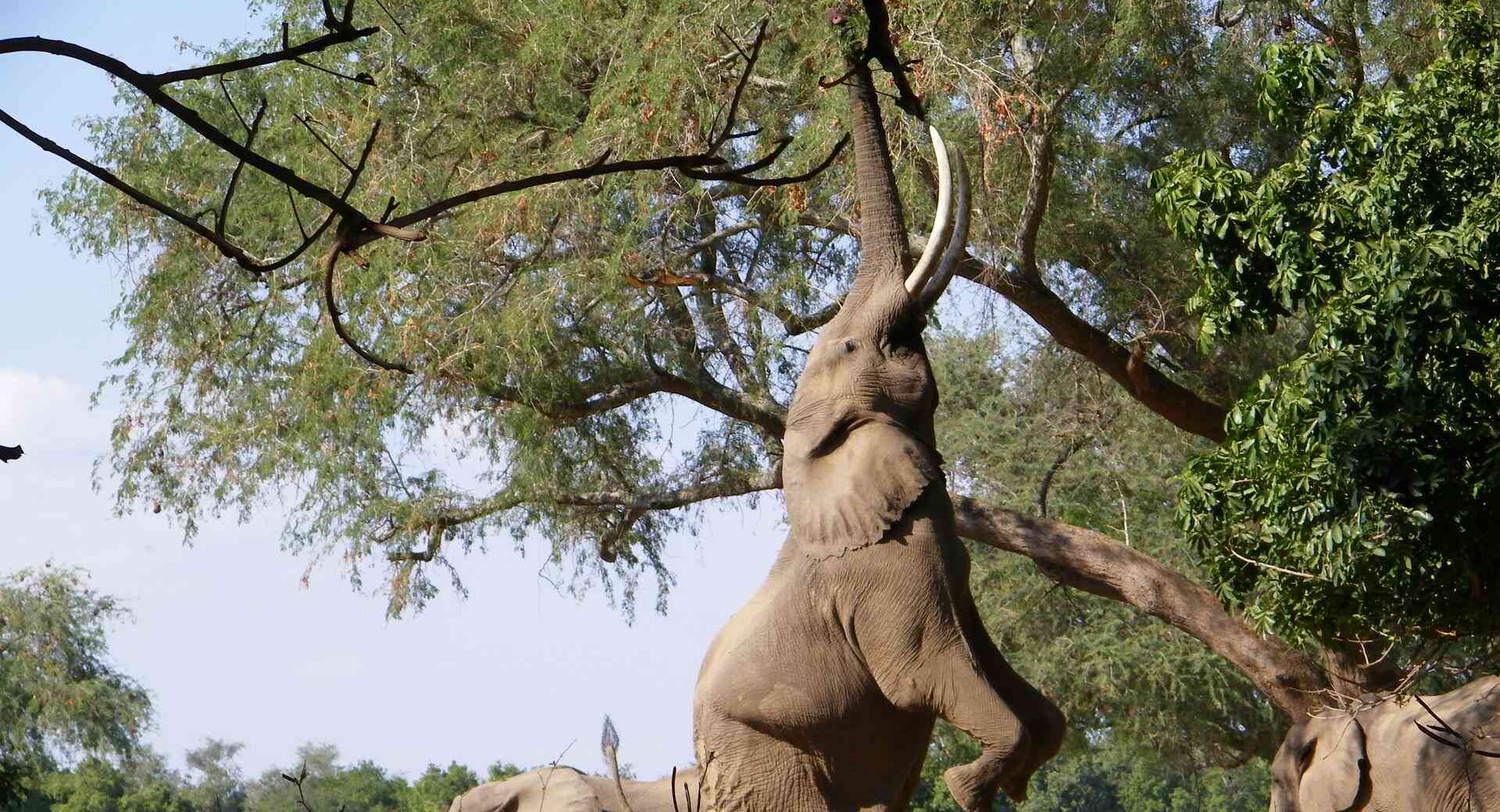
AFRICA’S forest elephants remain critically endangered, but new data reveal a glimmer of hope where protection, science and community partnerships converge.
Zimbabwe has stepped up conservation efforts, deploying six newly-graduated Akashinga Rangers to Mana Pools National Park in the Zambezi Valley, a Unesco World Heritage site famed for its wildlife and cultural significance.
The rangers, part of an all-female anti-poaching unit, graduated recently in Chinhoyi through a joint programme with the Zimbabwe Parks and Wildlife Management Authority (ZimParks).
“Following their pass-out parade, a cohort of 6 Akashinga Rangers has officially been posted to Mana Pools,” Akashinga announced recently. “The posting fulfils our partnership with ZimParks to support the protection of one of Zimbabwe’s most iconic wilderness areas and the communities that surround it.”
The deployment underscores a broader push to safeguard elephants whose migratory routes have been fractured by human development.
Experts said protecting wildlife required more than isolated reserves; it demanded low-impact landscapes and functional corridors that connected resource-rich areas.
The initiative also highlights the growing role of local communities and female-led ranger units in wildlife conservation, combining law enforcement with sustainable development.
Mana Pools stands as a lifeline for elephants and other large mammals whose migratory routes have been fractured by human development.
- Mana Pools restores hope for endangered elephants
Keep Reading
According to Byron du Preez, Akashinga’s director of science, conservation must move beyond isolated protected zones.
“Landscapes do not need to be pristine to support wildlife; they need low human impact and space for animals to move between resource-rich areas,” he said. “Reconnecting protected areas through functional wildlife corridors is one of the most effective solutions.”
Akashinga Rangers are part of an all-female anti-poaching unit founded by former Australian special forces soldier Damien Mander.
They are not only guardians of the land but also agents of change in their communities, promoting coexistence and sustainable livelihoods.
According to the African Wildlife Foundation (AWF), an estimated 135 690 elephants were surveyed across the continent and illegal killing began to decline since 2018, but the trend is uneven. It also said Central Africa, home to 96% of the remaining forest elephant population, showed that coordinated investment could stabilise numbers, while West Africa had experienced a critical decline.
“Forest elephants are more than a species at risk; they are indicators of Africa’s ecological health,” AWF said in its latest report.
The organisation is doubling down on anti-poaching systems, ecological monitoring and habitat protection across key Congo Basin landscapes, while championing African leadership in biodiversity stewardship.
“AWF is actively driving this momentum by investing in anti-poaching systems, ecological monitoring, community-led conservation and habitat protection,” the report said.
“Our work directly responds to the threats highlighted in the report — poaching, habitat loss and human-elephant conflict while elevating African leadership in biodiversity stewardship.”