THE Japanese government has provided US$187 300 to three projects that are targeted at improving the human security of vulnerable groups in Zimbabwe under its Grant Assistance for Grassroots Human Security Projects (GGP) programme.
The three grassroots projects are in the fields of gender, education and agriculture and will be carried out in different parts of the country, including Mutoko, Chiredzi and Hwange districts.
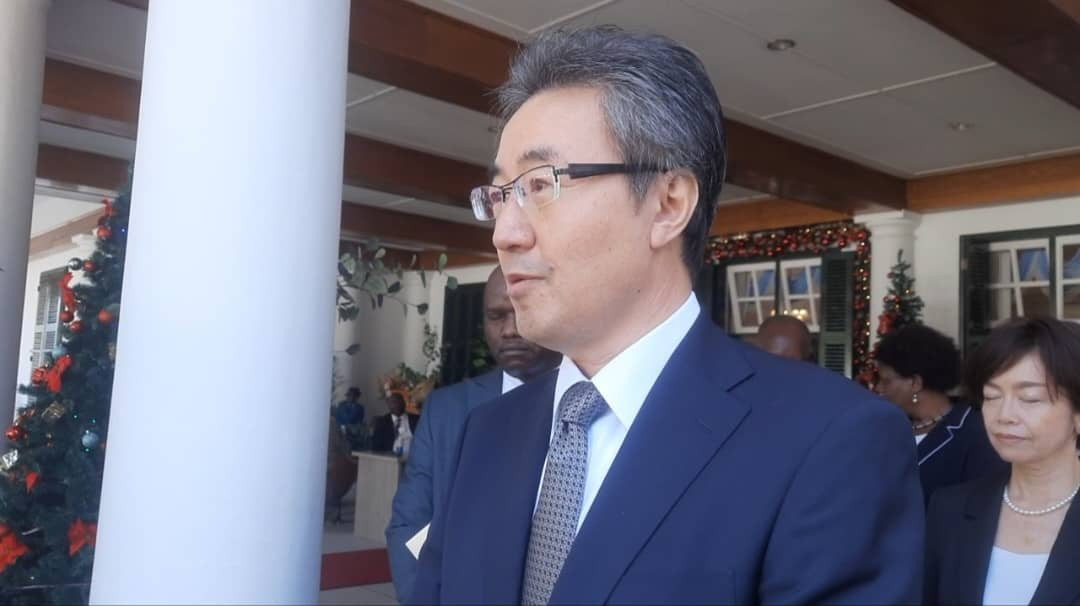
Speaking at the signing ceremony, Japanese ambassador to Zimbabwe Shinichi Yamanaka highlighted the significance of the GGP programme.
“At this stage in this year, after careful screening, three projects have been selected from over 60 applications. They were chosen because their focus was on fulfilling the basic needs of vulnerable communities in this country.
“We believe that these organisations will be able to implement the projects fully and thoroughly, having a maximum beneficial impact,” he said.
Yamanaka emphasised the importance of the commitment of each organisation to implementing their projects fully and thoroughly, for the benefit of communities.
He said that would open more possibilities and hope for future generations of Zimbabweans.
“Today is just the beginning of your big projects. The hard work starts now. The beneficiary communities are patiently waiting for your efforts and services.
- Mavhunga puts DeMbare into Chibuku quarterfinals
- Bulls to charge into Zimbabwe gold stocks
- Ndiraya concerned as goals dry up
- Letters: How solar power is transforming African farms
Keep Reading
“I hope you will utilise these grants effectively, with honesty and accountability, so that your project will go a long way in the communities.
“I believe that the successful completion of your projects will open more possibilities and hope for future generations of Zimbabweans.”
The three projects include the Nyahunure Community Organisation, which is constructing a shelter for gender-based violence (GBV) survivors in Mutoko district.
The project is expected to capacitate the organisation to shelter approximately 1 000 GBV survivors and provide necessary support for them to build stability as well as independence away from their perpetrators.
Secondly, a project dedicated to improving the educational environment at Chitope Primary School in Chiredzi district, through Christian Care.
The organisation will oversee the construction of new classroom and toilet blocks. The new facilities will greatly benefit the children, allowing them to have lessons in a conducive environment.
Another project will support two community gardens in Hwange district through Sabona Trust.
This project’s focus is particularly on two villages, namely Chiguswi and Masikili, where residents do not have access to enough water.
In Hwange district, around 73% of the population face food shortages, yet without fence, they cannot grow vegetables, due to the nature of the area.
The Grant Assistance for Grassroots and Human Security Projects is a scheme that provides support to improve basic human needs, such as education, health, food and nutrition security, water, sanitation and hygiene.
It was launched in Zimbabwe in 1989 and 159 projects have been implemented so far with funding totalling over US$16 million.