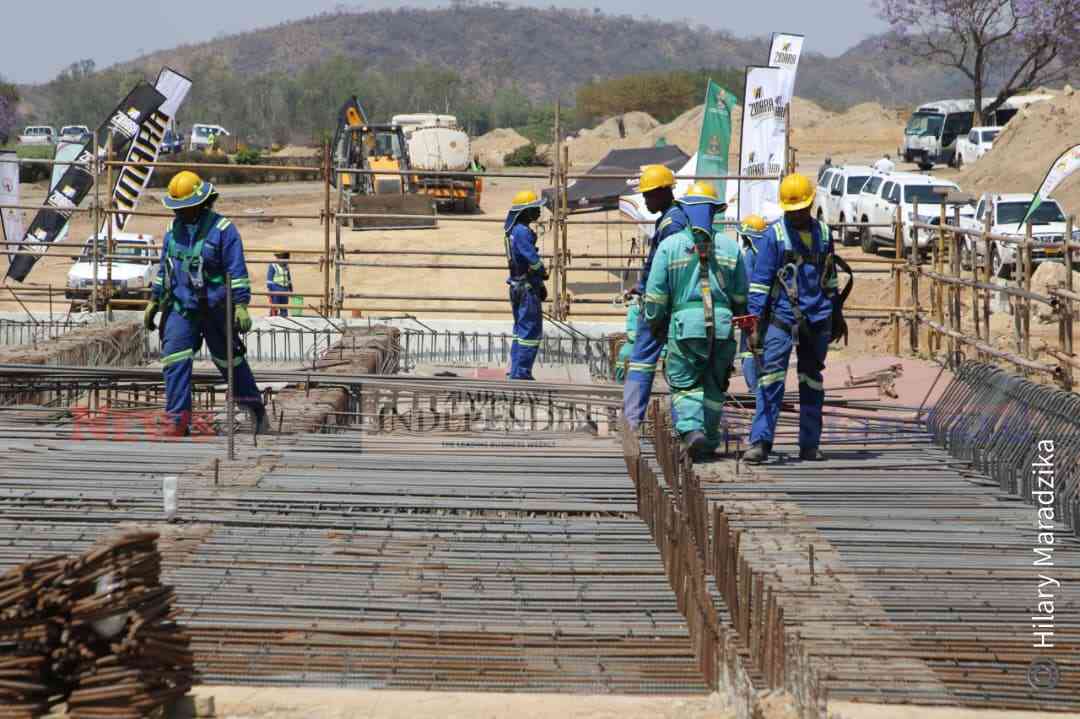
THE country is on the verge of completing its largest road infrastructure project in decades: the 580km Harare–Masvingo–Beitbridge highway, a crucial trade artery connecting the capital to South Africa.
The project is now 80% complete, with government officials pledging full delivery by April next year, according to Transport Ministry permanent secretary Joy Makumbe.
In an exclusive interview, Makumbe described the progress as “remarkable,” noting that only 70 kilometres remain to finish the project.
Local contractors, including Fossil Contracting Company and Masimba Holdings, are racing against the onset of the rainy season to complete their sections.
“Most of these contractors, they are battling to make sure that before the rains start, they push, you know, to make sure that we have at least most of the kilometres being done this side of the year.
"So each contract on average will be left with some 10 kilometres which they should complete by around May, June next year. How many kilometres are left so far and how many have been done? So far we have about 70 kilometres that are left and we have done about 34-50 kilometres in total," Makumbe said.
She added that the project is now 80% complete, with the remaining work slated for early next year.
"So as you can see, most we can say maybe 80% of the project has been done and we are looking at the remaining 10% being done next year. So what I was saying, when will be the, what project will be completed? Our target is April next year,” Makumbe said.
- Masimba receives ZimInd award
- Masimba sitting on US$104m order book
- Firm order book boosts Masimba revenue
- Drought, declining prices hit Masimba’s order book
Keep Reading
First launched in 2018, the dual carriageway is central to Zimbabwe’s broader infrastructure and economic revival efforts. Once completed, it will shorten travel times, reduce transport costs, and improve safety along one of southern Africa’s busiest trade corridors.
Officials say the project has been largely funded domestically, highlighting Zimbabwe’s ability to deliver large-scale infrastructure with minimal reliance on external borrowing.
The initiative has faced challenges, including delays, rising construction costs, and logistical hurdles, which have occasionally slowed progress.
Despite these obstacles, the highway now stands as a rare, visible symbol of national development in a country grappling with economic instability, inflation, and deteriorating public infrastructure.
For many Zimbabweans, the approaching completion of the Harare–Beitbridge highway offers tangible proof that large-scale infrastructure projects are achievable and that the government can deliver on high-profile promises.
With the final kilometres now in sight, the highway is expected to transform domestic and regional transport while reinforcing Zimbabwe’s role as a key conduit for trade in southern Africa.