A LEADING African intellectual has denounced the “self-colonisation” of the continent, pointing to restrictive visa regimes and arduous travel routes as major barriers to genuine solidarity and trade.
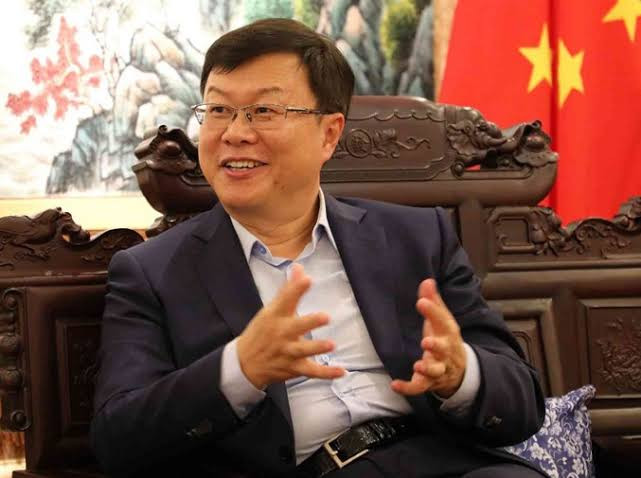
Institute of African Knowledge chief executive Kwame Muzawazi said this in his address during the International Conference on Colonialism in Caracas, Venezuela, on Friday.
Muzawazi said African governments imposed the very barriers that blocked their own progress as he complained about the physical difficulty experienced in South-South travel.
He revealed that his journey from Zimbabwe to Venezuela took 48 hours, a stark contrast to the 10 hours it takes to fly from Harare to London.
“This is an indictment of the solidarity of the global south,” Muzavazi said.
“To visit my brothers and sisters in Venezuela, it is 48 hours.
“This is the state of affairs in the global south.”
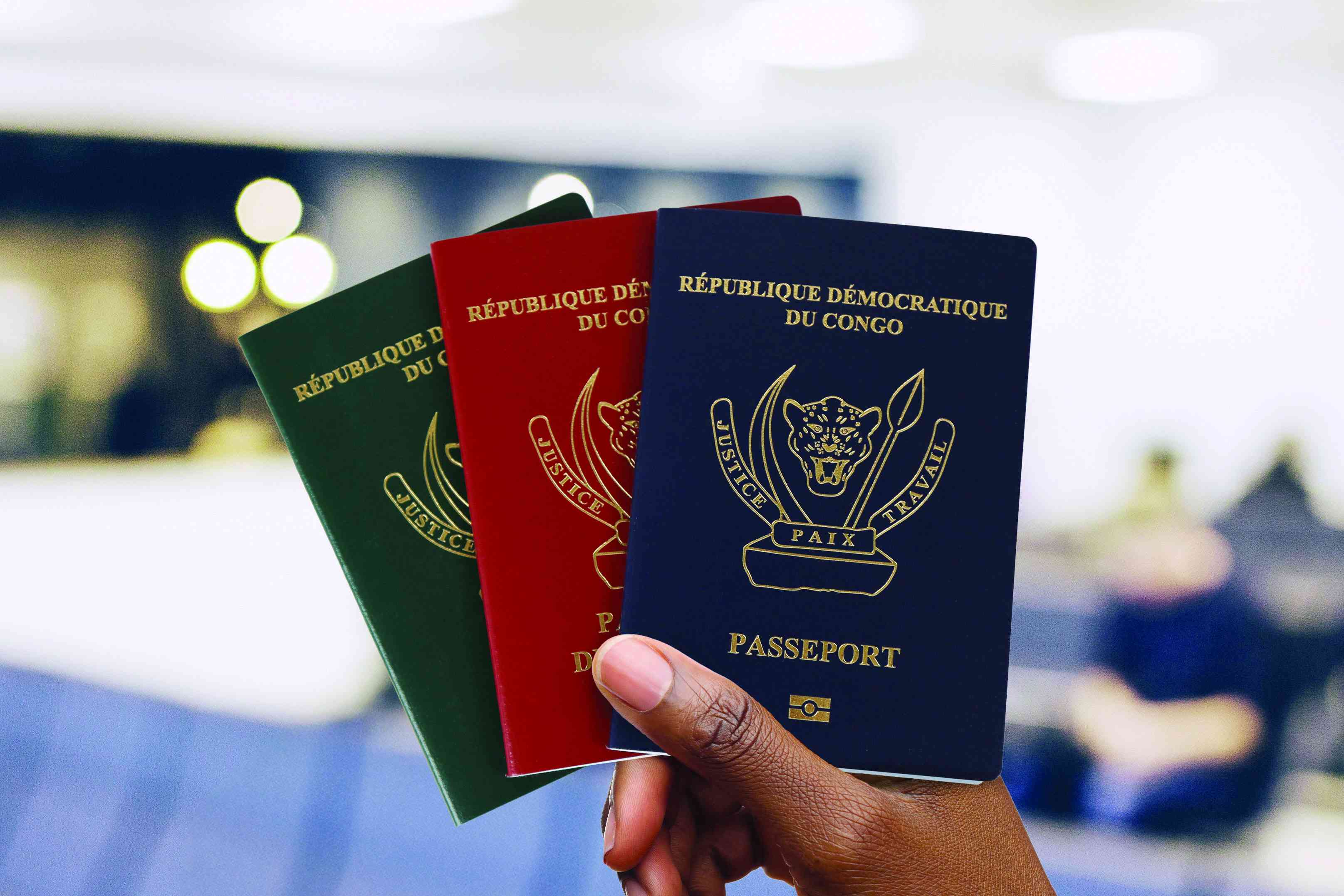
He also decried visa regimes in Africa.
- Open letter to President Mnangagwa
- Feature: ‘It’s worse right now than under Mugabe’: Sikhala pays the price of opposition in solitary cell
- Masvingo turns down fire tender deal
- Human-wildlife conflict drive African wild dogs to extinction
Keep Reading
“I crossed 21 African countries driving a car from Tangiers to Cape Town, a distance of 25 000km.
“Of those 21 African countries, I needed a visa to enter 17.
“If a European Union passport-holder wants to visit these same 21 African countries, he only needs three visas.”
He placed the responsibility squarely on African leadership.
“This has nothing to do with colonisation.
“It is the African colonising himself against himself.
“There is nothing here that the US and EU must do.
“It is the African who must take charge on this issue.
“The problem is we are not doing business together; we are not making money.”
Muzavazi called for the reclamation of cultural heritage as an economic asset, suggesting that demanding the return of artefacts from Europe could create a thriving cultural tourism industry.
He dismissed the United Nations as an institution serving “1945 interests” and called for the global south to build its own institutions.