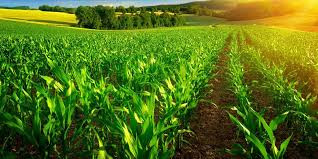
ZIMBABWE recorded a 290% increase in food crop production during the 2024-25 farming season compared to the previous season.
This is revealed in the latest Zimbabwe Livelihoods Assessment Committee (ZimLAC) 2025 Rural Livelihoods Assessment Report.
ZimLAC indicated that a transition to a stronger La Niña phase in the second half of the season resulted in more favourable rainfall, providing optimal conditions for planting and growth of crops.
“There was a 290% increase in food crop production compared to last season,” the report stated.
“The season also experienced increased production of sorghum and pearl millet due to improved agroecological tailoring of crops.”
ZimLAC estimated maize production to be at 2 293 556 metric tonnes (MT), with traditional grains production at 634 650MT.
Total cereal production was estimated to be 2 928 206MT.
“Yield levels from Pfumvudza/Intwasa in maize for the 2024/25 season were slightly higher than those from conventional farming.
- Zim food secure: Cabinet
- Paltry 9% of 2,7m hungry citizens receive food
- Crisis as half of Zim needs food aid
- Zim records jump in school dropouts
Keep Reading
“Tobacco production is expected to increase by 15%, cotton by 52% and sunflower by 303%,” the report read.
Indications were that during the first half of 2025, better climate conditions and historically high gold prices boosted agricultural and mining activities.
On government mitigatory measures, the report stated that people-centred measures were implemented to ensure food and nutrition security for all.
ZimLAC indicated that the government targeted 6 million people in rural areas with a package of pulses, oils and cereal.
In order to alleviate water scarcity challenges, the government is implementing the Presidential Borehole Drilling Scheme.
“The scheme aims to increase access to safe drinking water, strengthening of multi-sectoral structures in order to operationalise a cohesive response to the food and nutrition challenges and easing of restrictions on maize grain trade thus increasing maize grain flows and improving availability.”
ZimLAC reported that household food insecurity prevalence was used as the key indicator to determine the sample to ensure 95% confidence level of statistical representativeness at district, provincial and national levels.