ABOUT 340km south of the capital Harare in Takarindwa village, Gutu district, Masvingo province, a crisis is unfolding.
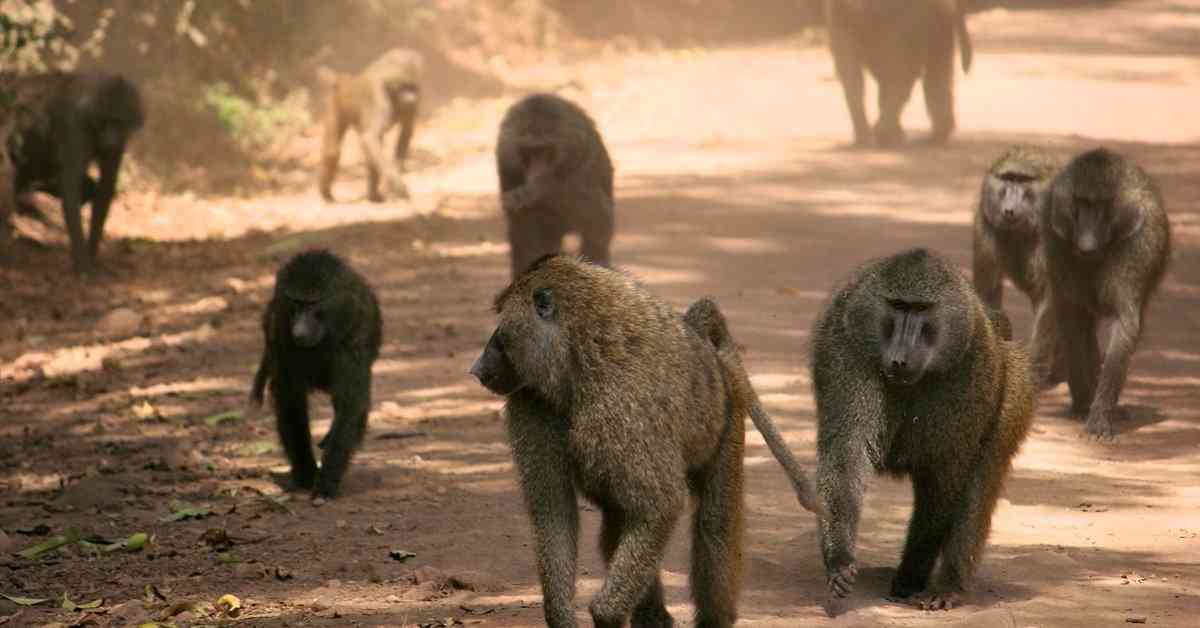
Baboons, once confined to distant mountains and forests, are invading villages in droves, leaving a trail of destruction in their wake.
Driven by climate change and environmental degradation, these primates are deserting their shrinking natural habitats and turning to human settlements in a desperate search for food.
The result has been devastating for local communities.
From irrigated crops to backyard gardens, nothing is spared.
What was once a rare nuisance has become a daily fight for survival, as villagers are forced to compete with wildlife for food.
With forests vanishing and water sources drying up, the balance between humans and nature has been violently disrupted, exposing the impacts of climate and environment change in the country’s rural heartland.
“We never used to see them this close. Now they come in troops, bold and unafraid. They eat our vegetables and some even break windows,” says Tinaye Chaera, a villager.
- Letter from America: Women of substance show off in Masvingo
- PR & communications: 2022: The era of performance communications
- Inflation fanning poverty
- CCC cries foul as Chamisa is blocked
Keep Reading
“As for the baboons, what I gathered is that their habitat has been heavily depleted by humans so naturally they had to find alternative shelter. That’s why they crossed Dewure River in search of food.
“This has been necessitated by indiscriminate chopping down of trees and veld fires which destroyed fruit trees they relied on.”
He added: “Some villagers have encroached onto their habitat in such a way that some fields are actually deep on the mountain sides. What would you expect from the baboons?”
A 68-year-old woman in the same village is living in pain as baboons time and again devour her green vegetables and trees in the yard, which she survives on by selling fruits.
“These baboons are giving us a hard time. They come early in the morning, devouring our vegetables and fruits, leaving us with nothing but ruin,” she said.
“We’ve tried everything to scare them away, from scarecrows to noise-making, but they just won’t leave.
“It’s as if they own the land. We’re struggling to make ends meet and they are making everything difficult.”
She said the baboons were not afraid of people or dogs.
“We cannot even leave children alone at home. If by chance they come across chickens, they kill them. They move in troops. We used to know them staying in Gangare and Rutonhora mountains, but they are now all over our villages,” the woman added.
“Maybe they are operating in villages because some people are busy collecting baobabs, their source of food in the mountains, leaving them with nothing to eat, hence they are forced to come to our homesteads.
“I suppose they are also coming down here because rivers, streams and water holes have dried up and they turn to villages where there is easier access to food and water.
“We wish those in authority will do something to protect us from the baboons.”
Affected communities, however, find themselves in a fix regarding how to deal with this climate-driven phenomenon.
Washington Zhakata, the chief director in the climate change and meteorological services directorate in the Environment ministry, recently said: “As ecosystems change, people and wildlife roam farther in search of food, water and other resources. The issue of human-wildlife conflict in Zimbabwe is increasingly gaining traction.
“Rising temperatures are affecting vegetation, food sources, access to water and much more. Ecosystems are gradually becoming uninhabitable for certain animals, forcing wildlife to migrate outside their usual patterns in search of food and liveable conditions.”
Achieford Mhondera, a climate change and environmental specialist from the University of Zimbabwe, said: “The increasing interaction between villagers and baboons in areas like Bikita is a concerning symptom of broader environmental changes.
“As habitats degrade due to climate change impacts such as drought, erratic rainfall and deforestation, resources become scarcer. This forces animals like baboons to seek food and water in human-populated areas, leading to conflict.
“These interactions are not simply a matter of baboons being a nuisance; they reflect a deeper crisis of ecological imbalance. When their natural food sources dwindle, they are left with little or no choice.”
He added: “As a solution, the community leadership must think of ecological restoration. Habitat restoration through initiatives such as reforestation and water conservation projects are crucial to restore the baboons’ natural habitat and food sources.
“In the long term, communities can also engage in other alternative food production activities which are not in competition with the baboons such as beekeeping.
“In addition, there is need to create corridors of natural habitat that connect fragmented areas that can allow baboons and other wildlife to move more freely and access resources without coming into contact and subsequent conflict with humans.”
As villagers continue to grapple with the challenges posed by baboons, it becomes clear that environmental changes are at the heart of the issue.
The destruction of natural habitats, climate change and human activities have all contributed to the increasing presence of baboons in villages.
To find a lasting solution, it is essential to adopt a holistic approach that addresses the root causes of the problem.
This can be achieved through sustainable land-use practices, community engagement and education and collaborative conservation efforts.
By working together, villagers and conservationists can find ways to coexist with baboons and other wildlife, promoting a more harmonious relationship between humans and the environment.