IN the bustling community of Caledonia, just east of Zimbabwe’s capital Harare, 25-year-old Tendai embarks on a gruelling daily routine.
Armed with a wheelbarrow, she treks to a communal water point to collect the precious liquid for her family — a task that has grown increasingly difficult in recent years.
“It used to be so much easier,” Tendai laments.
“But now, the taps are dry and the rains are so unpredictable.
“The dry spells seem to last forever and wetlands are disappearing.”
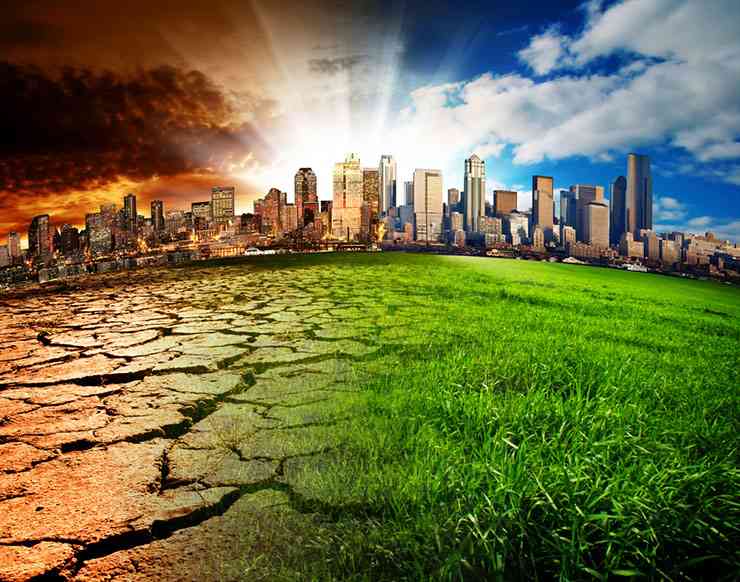
Tendai’s story is echoed across vulnerable neighbourhoods in Zimbabwe, where residents in high-density and informal settlements are being forced to grapple with the harsh realities of a changing climate.
As national policies struggle to keep pace, it is at the municipal level where the true battle for adaptation is being waged — with local governments and community members working tirelessly to devise innovative solutions.
In the densely populated Tafara neighbourhood of Harare, city officials have partnered residents to implement decentralised water management systems, empowering communities to take charge of their water security.
- Revisiting Majaivana’s last show… ‘We made huge losses’
- Edutainment mix: The nexus of music and cultural identity
- ChiTown acting mayor blocks election
- Promoter Mdu 3D defends foreigners 30 minute set
Keep Reading
“It’s all about giving people a stake in the solution,” explains ward 20 councillor Mercy Kasvosve.
“By involving the community from the start, we’re able to tailor our interventions to their specific needs and challenges.”
Similarly, in the City of Bulawayo, local authorities are collaborating with high-density settlement dwellers in Luveve to develop early warning systems and emergency response protocols for climate-related disasters.
“We’ve learned that the people who know their neighbourhoods are often the ones best equipped to navigate the challenges,” says city’s disaster management co-ordinator Sibongile Moyo.
These community-driven initiatives are part of a growing trend in Zimbabwe, where local leaders are spearheading innovative solutions to bolster climate resilience.
It’s a stark contrast to the traditional top-down approach to policy and planning, which, as climate adaptation expert Chipo Plaxedes Mubaya explains, “Often fails to account for the unique needs and realities of individual neighbourhoods and municipalities”.
“National adaptation plans are crucial, but they need to be informed by the experiences and insights of local communities,” Mubaya says.
“That’s the only way we can truly build a sustainable, climate-resilient future.”
For Tendai and her neighbours in Caledonia, that future is already taking shape, as they work hand-in-hand with municipal authorities to pilot new water conservation and distribution strategies.
“It’s been an uphill battle, but we’re making progress,” Tendai says, a glimmer of hope in her eyes.
“If we can make it work here, maybe others can too.”
Their efforts are part of a broader movement across Zimbabwe, where grassroots innovators are leading the charge for community-driven climate adaptation.
In the City of Mutare, for instance, residents have established community-managed tree nurseries to combat deforestation and enhance local resilience.
And in the rural district of Chiredzi, smallholder farmers are experimenting with drought-resistant crop varieties and regenerative agricultural
practices.
These local initiatives are not only transforming communities on the ground, but they're also inspiring change at higher levels of government.
“We’re seeing a real shift in the way policymakers and planners approach climate adaptation,” says Tendai Mahachi, a policy advisor with the United Nations Development Programme in Zimbabwe.
“There’s a growing recognition that we need to bridge the gap between top-down and bottom-up approaches.”
That’s where programmes like the UNFCCC’s National Adaptation Plans and the Sendai Framework for Disaster Risk Reduction come into play.
By providing a global framework for climate adaptation and disaster risk management, these initiatives aim to empower local communities while fostering collaboration across
scales.
“The key is to ensure that local voices and experiences are informing national and global decision-making,” Mahachi explains.
“At the same time, we need to equip municipalities with the tools and resources they need to lead the charge.”
As the world grapples with the ever-increasing threats of climate change, the story of Zimbabwe’s grassroots climate warriors serves as a powerful reminder of the resilience and ingenuity of the human spirit.
From the bustling streets of Caledonia to the rural landscapes of Chiredzi, communities are rising to the challenge, forging a path towards a more sustainable, climate-resilient future.
With the support of local governments, national policymakers and the global community, the climate warriors of Zimbabwe just might lead the way.