THE Pan African Writers’ Association (Pawa) recently hosted an online session during which writers from the continent and the diaspora were implored to take their space lest their voices be buried.
The session was held in collaboration with WAFORD and under the theme, Standing Out as a Writer — Across the Continent and the Diaspora.
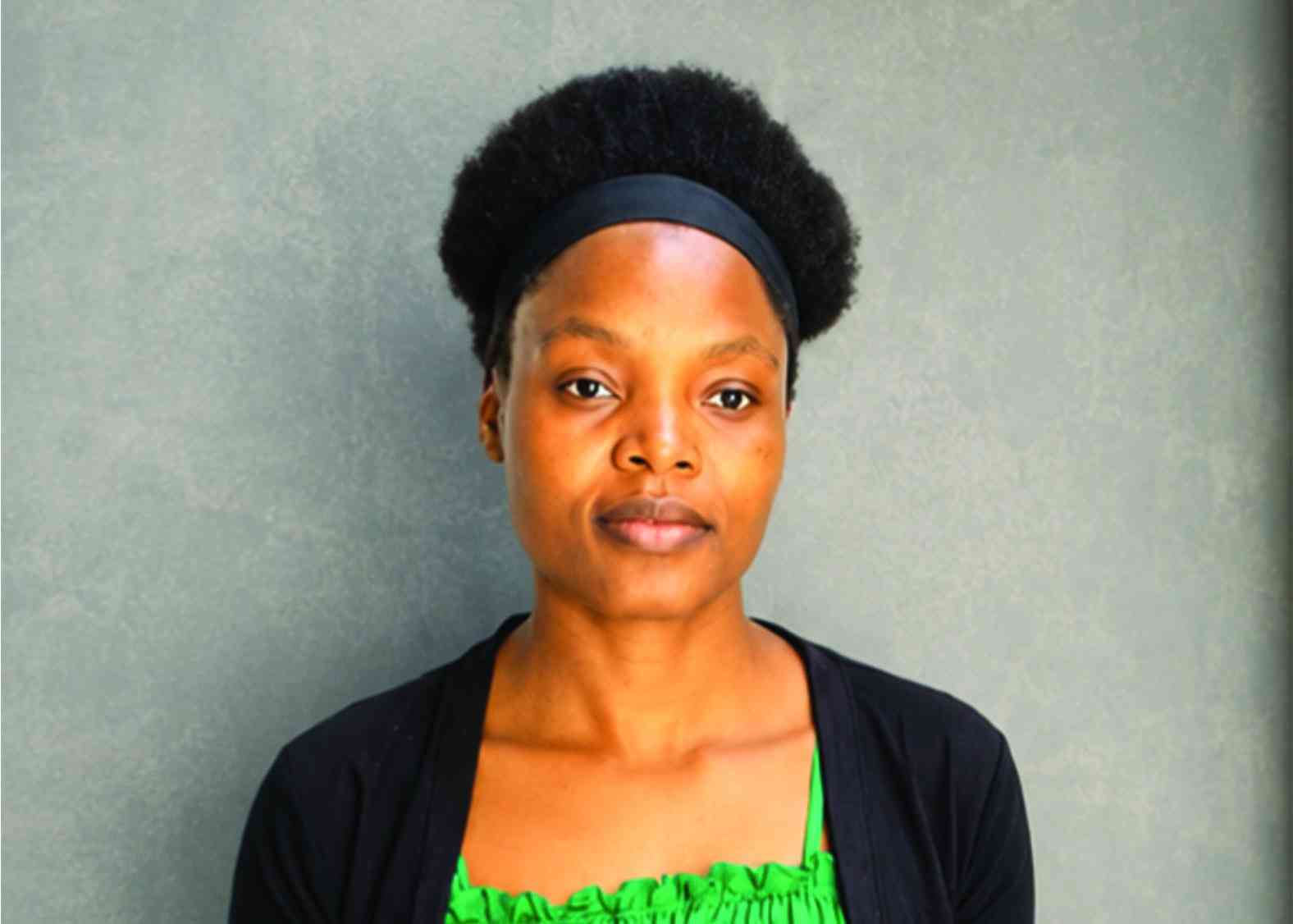
Moderated by Ango Famuso Ekellem, the session featured an inter-generational panel of literary voices including Joyce Ashuntantang (chair, WAFORD editorial board), Rumbidzai Chenai Dunduru (host of One on One Book Review), Reyna Jones (Pawa vice-president for the diaspora), Wale Okediran (Pawa secretary-general), and Bill Ndi, Pawa president.
In the session, urgent questions emerged surrounding identity, authorship, visibility and the evolving literary landscape for African writers both on the continent and abroad.
Ashuntantang opened with a sobering reflection on the lingering effects of colonialism on African narrative authority.
Recalling Chinua Achebe’s observation that colonialism gave children the megaphone simply for mastering the coloniser’s language, she cautioned that today’s social media landscape replicates this pattern of privileging reach over depth.
“Everybody can now become, quote unquote, a writer,” Ashuntantang said, warning that digital virality often drowns out authentic voices.
Representing a younger generation of African thinkers, Dunduru brought urgency and introspection. She invoked the oft-cited proverb, “If you want to hide something from an African, put it in writing,” not as a dismissal of African literacy, but as a commentary on systemic silencing.
- Writers challenged to reclaim narrative power
Keep Reading
Dunduru argued that African stories have long existed but have been erased, suppressed or undervalued. Structural barriers, including limited access to books, underdeveloped publishing sectors and a fragile reading culture, continue to stifle literary growth. Yet, she insisted, readers and writers persist, often in small but determined communities working against the tide.
For Jones, writing from the diaspora entails navigating hybridity, authenticity and allegiance. She spoke of inhabiting “tiny moments” of presence and brief, profound instances that unlock deeper creativity. Her remarks addressed the inner work required of writers who straddle cultures, reminding participants that diasporic African writers must engage with Africa rather than write about it from a distance.
Ndi, professor of Modern Languages, Communication and Philosophy, rooted the discussion in Africa’s rich oral heritage, reminding attendees that pre-colonial African literature was not textual but performative and communal. He called for the reintegration of oral traditions, namely songs, myths, rituals and storytelling to contemporary literary practice.
“If there is a story, that story must be shared,” Ndi said.
He also reiterated the importance of writing in indigenous languages, emphasising that language is not only a tool of communication but a vessel of identity and resistance.
As Pawa president, Ndi pledged to institutionalise translation efforts that bridge African literature across languages, geographies and generations. His vision is one of literature as a living archive that defies colonial erasure and reinforces cultural memory.
Okediran, Pawa’s secretary-general and a former Nigerian lawmaker, provided a nuanced look at fiction as a tool of political engagement.
Sharing insights from his novel Tenants of the House, which blends real-life political experience with fictional narrative, Okediran illustrated how literature can confront corruption, navigate power dynamics and offer alternative national narratives.
“People say politics is synonymous with all that is bad. I wanted to tell a different story,” he remarked, affirming the writer’s role in documenting society’s tensions without abandoning its hopes.
Returning to the theme of identity, Ashuntantang questioned rigid definitions of African literature, whether it is defined by geography, language or content.
Literature was framed not only as an art form but as resistance, remembrance and reclamation.
“In every poet is a storyteller, a historian, a mythologist and a performer,” Ndi said.