ZIMBABWEANS have been pushed to the limit.
The country’s tourism industry has joined the bandwagon, sounding the alarm and warning that soaring fuel prices are triggering a chain reaction that could ripple across the entire economy.
With operating costs rising sharply, businesses say workers are likely to demand wage increases just to keep abreast with the cost of living.
And when that happens, the burden will inevitably be passed on to consumers.
It is a vicious cycle — one that always ends with the ordinary citizen paying more.
At the beginning of the year, government introduced a 15,5% Vat on previously zero-rated tourism services such as transfers, safaris and adventure activities.
That decision alone placed additional strain on a sector that is still recovering in a competitive region.
Now comes the fuel shock.
- ‘Paltry salaries aching Zim workers’
- Underage, teenage maids sprout in Gwanda
- ‘Paltry salaries aching Zim workers’
- Underage, teenage maids sprout in Gwanda
Keep Reading
The Zimbabwe Energy Regulatory Authority recently pushed the petrol price to US$2,17 per litre and diesel to US$2,05, citing global supply pressures linked to tensions in the Middle East.
While global factors may have played a role, the result is Zimbabwe now has the second highest fuel prices in the southern Africa region.
And fuel is not just another commodity.
It is the engine of the economy.
When fuel prices rise, transport costs increase.
When transport costs increase, the prices of goods and services follow suit.
From groceries to school transport, from tourism packages to basic household items — everything becomes expensive.
Zimbabweans are already enduring the squeeze.
Many households have been forced to overhaul their budgets, cutting back on essentials and postponing important expenses.
For some, the end of the first school term has brought temporary relief — a brief pause in the relentless financial pressure.
But that relief is short-lived.
The second school term is approaching and with fuel prices at current levels, parents and guardians face even higher costs.
School levies are likely to be adjusted upwards.
Transport operators will almost certainly increase fares.
The cost of uniforms, stationery and other essentials will climb.
The pressure is mounting from all angles.
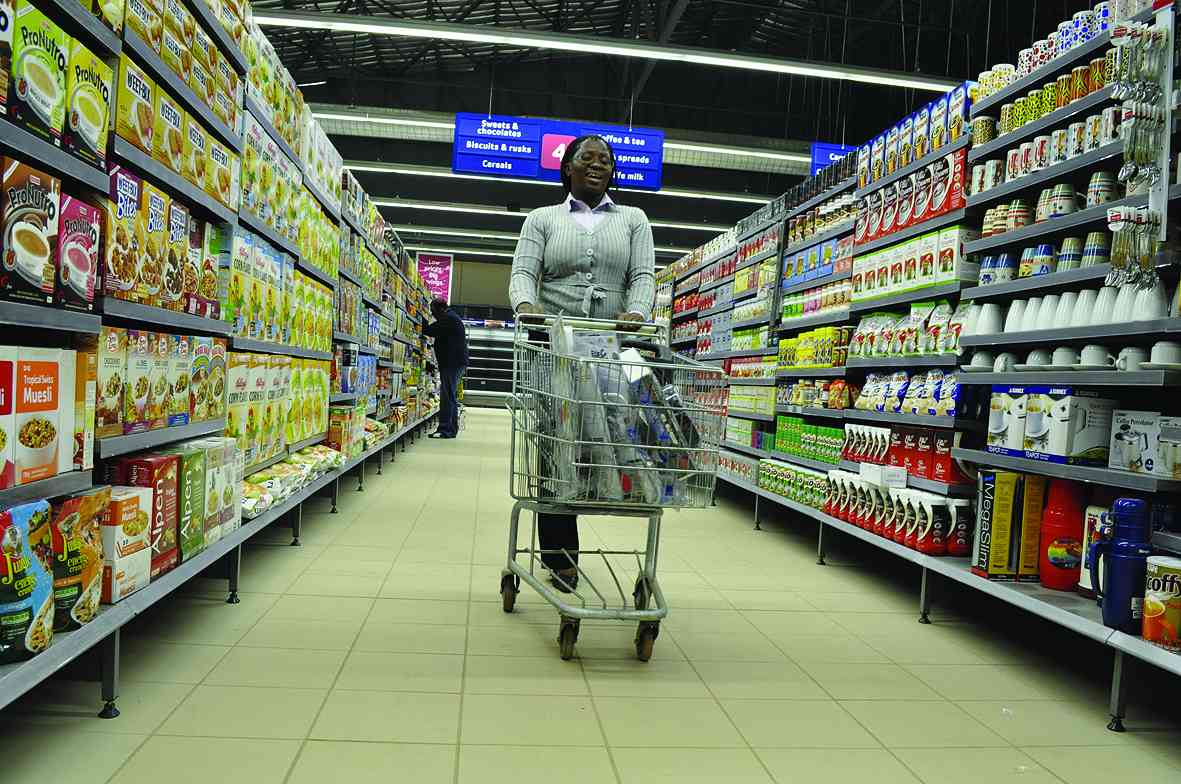
Even basic commodities are not spared.
Bread prices have already gone up by around 10%, a clear signal of how quickly fuel costs feed into everyday expenses.
Yet amid all this, one thing remains unchanged: salaries.
For the majority of Zimbabweans, incomes have not moved.
The same salary that was already insufficient must now stretch even further.
What was once a tight budget has become an impossible one.
This is where the crisis becomes more than economic — it becomes social.
When citizens are continuously squeezed without relief, the consequences extend beyond household finances.
It affects productivity, morale and overall quality of life.
The majority of citizens are not just adjusting — they are struggling.
Government cannot continue to ignore this widening gap between rising costs and stagnant incomes.
If fuel price increases are inevitable due to global pressures, then there must be deliberate efforts to cushion citizens.
That means revisiting the heavy tax burden embedded in fuel pricing, reconsidering policy decisions like the Vat on tourism services and creating conditions that allow wages to adjust meaningfully.
Right now, the balance is broken.
Costs are rising rapidly. Incomes are constant.
Zimbabweans have absorbed shock after shock — from tax increases to price hikes across essential goods and services.
Now, there is very little room to manoeuvre.
Citizens have been squeezed enough.
What is needed now is not another explanation, but relief.