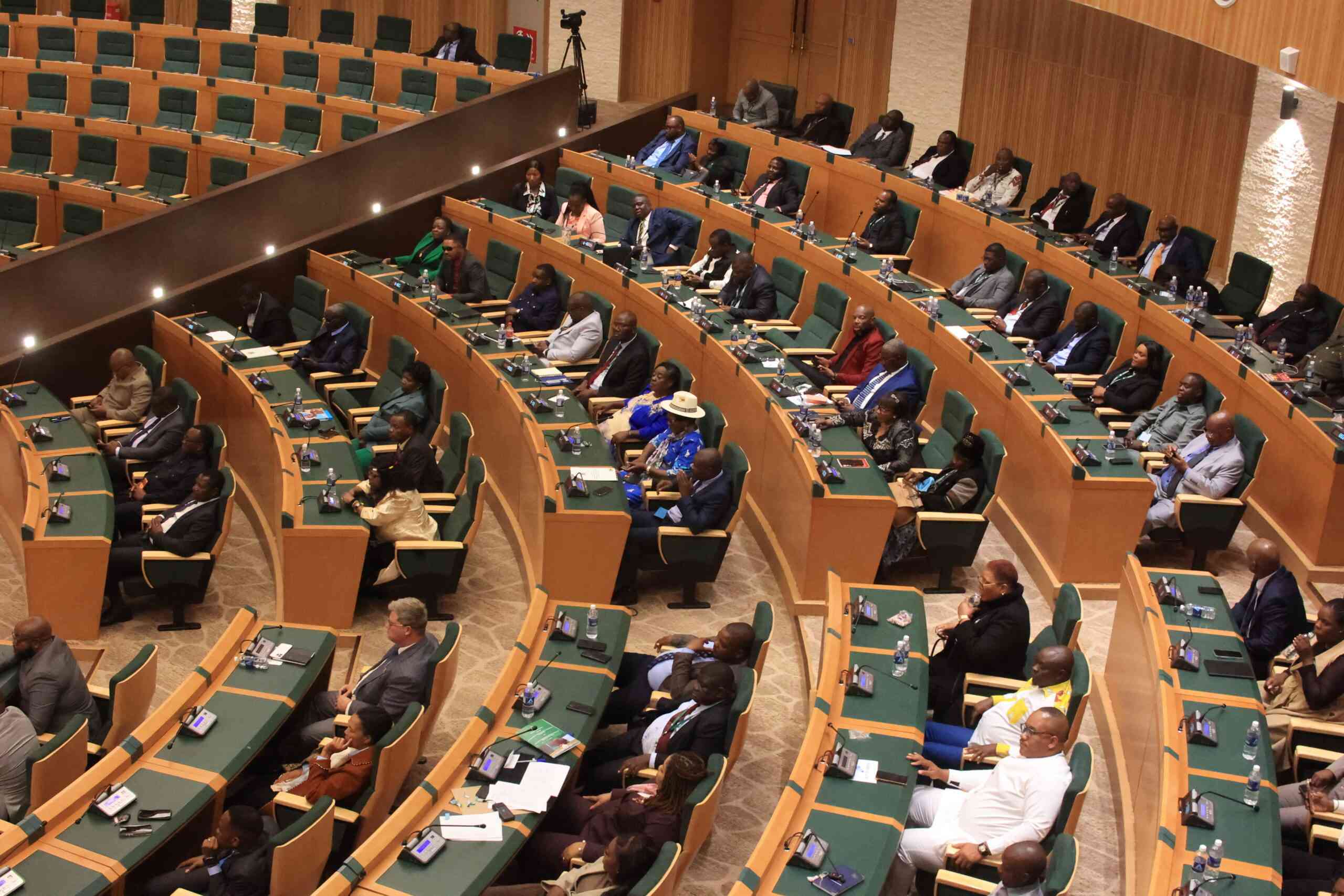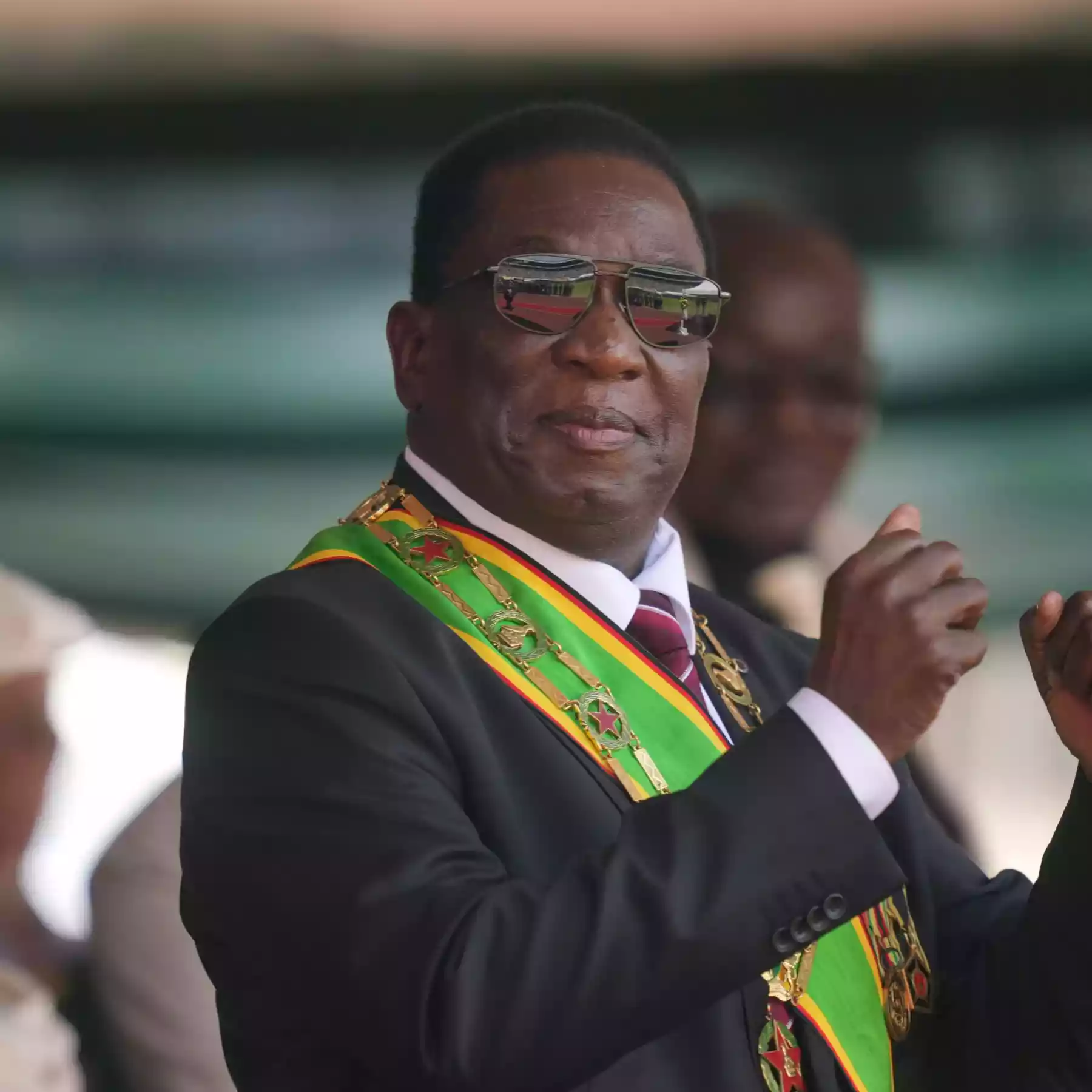
SO President Emmerson Mnangagwa on Wednesday chose caution over clarity when addressing members of the Zanu PF politburo.
At a moment when his party faces fierce criticism over efforts to amend the 2013 Constitution — including proposals to extend presidential and parliamentary terms and effectively deny citizens the right to choose their next leader — Mnangagwa was conspicuously non-committal.
He avoided the one statement the country needed to hear: that the Constitution must be respected, not mutilated.
Instead, he offered carefully measured words.
“The party constitution and the national Constitution are intricately linked, with the latter providing the legal framework within which government executes its mandate,” he said.
“The supremacy of the party must always find expression through policy synergies and complementarity with government functionaries, ministries, departments and agencies.
“I challenge the politburo to champion constitutional literacy throughout the rank and file of the party.”
On the surface, the remarks appear harmless, even responsible.
- ED’s influence will take generations to erase
- ‘Govt spineless on wetland land barons’
- Govt under attack over banks lending ban
- Zim Constitution must be amended
Keep Reading
But read closely, they are cagey.
Nowhere did he firmly reject attempts to tamper with the supreme law.
Nowhere did he draw a red line against self-serving amendments.
Nowhere did he defend the spirit of the 2013 Constitution, which Zimbabweans overwhelmingly endorsed in a national referendum.
Instead, the emphasis on the “supremacy of the party” raises troubling questions.
In a constitutional democracy, it is the Constitution — not the ruling party — that is supreme.
Political parties operate within its confines, not above it.
Zimbabweans across the political divide have sharply criticised Zanu PF’s manoeuvres to amend the Constitution for political convenience.
Civil society organisations, legal experts and ordinary citizens have warned that tinkering with term limits and electoral provisions undermines democratic stability and erodes public trust.
Yet Zanu PF has, over the years, demonstrated an indefatigable ability to contort the Constitution to suit shifting political interests.
What was once presented as a sacred national covenant increasingly risks becoming a flexible political instrument.
Mnangagwa has previously styled himself as a constitutionalist, declaring on international fora that Zimbabwe is governed by the rule of law.
Those declarations were meant to reassure investors, diplomats and citizens alike that the post-2017 dispensation marks a break from arbitrary governance.
This is his moment to prove it.
Leadership is tested not when the law is convenient, but when it restrains power.
If the President genuinely believes in constitutionalism, he must say so unequivocally — especially when members of his own party are driving proposals that many see as self-serving.
Silence, in this context, is not neutrality, but complicity.
When the head of State refrains from firmly defending the Constitution while his party pushes ahead with controversial amendments, it inevitably creates the impression of a man pulling the strings from behind the curtain.
Whether that perception is fair or not becomes almost secondary; what matters is that it gains currency in the absence of clarity.
Zimbabwe does not need clever phrasing or political choreography.
It needs a clear affirmation that the Constitution is not a plaything for the powerful.
If Mnangagwa truly intends to be remembered as a constitutionalist, he must move beyond cautious rhetoric.
He must publicly and decisively defend the supreme law — even if it means restraining his own party.
Anything less will confirm what many already suspect: that constitutional reform, once celebrated as a milestone of national progress, is now just another instrument of political expediency.