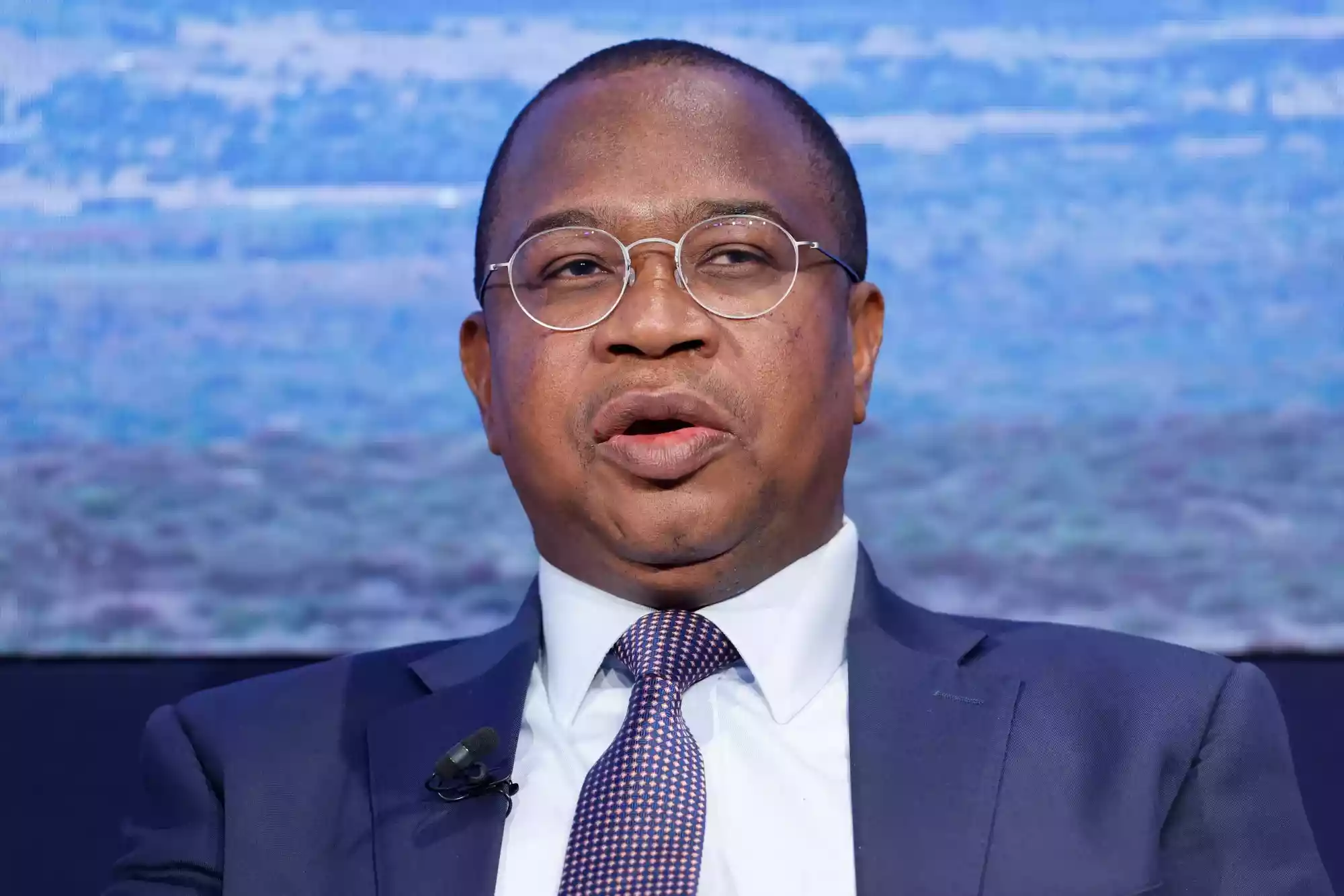
FINANCE, Economic Development and Investment Promotion minister Mthuli Ncube has announced a raft of reforms for the wholesale and retail sectors which has culminated in the slashing of fees.
The reforms come barely two months after the government reduced fees for the tourism and transport sectors in a bid to create a conducive environment for businesses.
It comes amid growing concern that multiple fees and licences increase the cost of doing business.
Ncube said the retail sector was one of the fastest-growing sectors in the country, which has jolted the government to remove the fragmented licensing regime.
This will result in the consolidation of several retail licences into one and will reduce the number of authorities involved in the clearance process to one.
These measures are meant to aid in the creation of a conducive economic environment, which will be created, productivity improved across all sectors of the economy, achieving high rates through improving the ease of doing business, Ncube said.
A comparison of the licensing regime with those obtaining in the region shows that the country was ripping off businesses.
While the Liquor Licensing Board was charging a wholesale city application fee of US$1 080 per annum, the same licence cost between US$86 and US$115 in South Africa, US$13 in Zambia and US$6 in Botswana. The liquor licence application fee was set at US$20 across the board.
- Budget dampens workers’ hopes
- Govt issues $24 billion Covid-19 guarantees
- Letter to my People:They have no answers for Nero’s charisma
- ZMX to enhance farm profitability
Keep Reading
While an annual restaurant licence in Zimbabwe was US$649, the same costs US$70 and US$150 in Rwanda and Mauritius, respectively.
The review of fees is a welcome relief for businesses that have been clamouring for a conducive environment.
While foreign investors enjoyed incentives such as tax breaks, local players were saddled with high fees as well as multiple taxes.
It is projected that a review of fees will promote foreign and domestic investment. The more the local players invest in a country, the more foreign investors are attracted to that market.
We believe there is a need for a root and branch reform of fees across all sectors of the economy to anchor growth as the country moves towards attaining an upper-middle-income economic status by 2030.
These reforms bring a number of benefits. They remove bottlenecks for businesses, reduce the cost of doing business, and allow players to channel resources towards expansion.
Expansion creates employment opportunities and more tax revenue for Treasury coffers.
These reforms will trigger the formalisation of informal businesses.
The biggest beneficiary will be Treasury through increased tax inflows.
It means the government will have expanded the tax base instead of the prevailing scenario in which it is squeezing those already compliant.
The reforms also signal the country’s intention to attract investors. They actualise the Zimbabwe is open for business mantra as the government goes beyond rhetoric by putting in place a conducive environment to attract foreign investors.
It means the government is now walking the talk by creating an environment that attracts new investors, both local and foreign.
It places Zimbabwe at par with regional peers, thereby enhancing the country’s competitiveness as an investment destination.