IT’S loud and clear: no more anti-ED2030 talk.
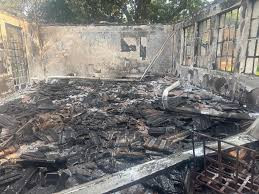
The bombing at Sapes Trust in Harare’s Belgravia suburb in the early hours of yesterday morning sent a chilling and unmistakable message — democracy is forbidden in Zimbabwe.
What should have been a day of free expression, of citizens engaging in public debate about the nation’s future, was turned into yet another day of fear and repression.
The venue was set to host a Press conference titled Constitutional Crossroads: Citizens Respond to Zimbabwe’s Constitutional Crisis, an event that had drawn the interest of civic leaders, opposition figures and concerned citizens alike.
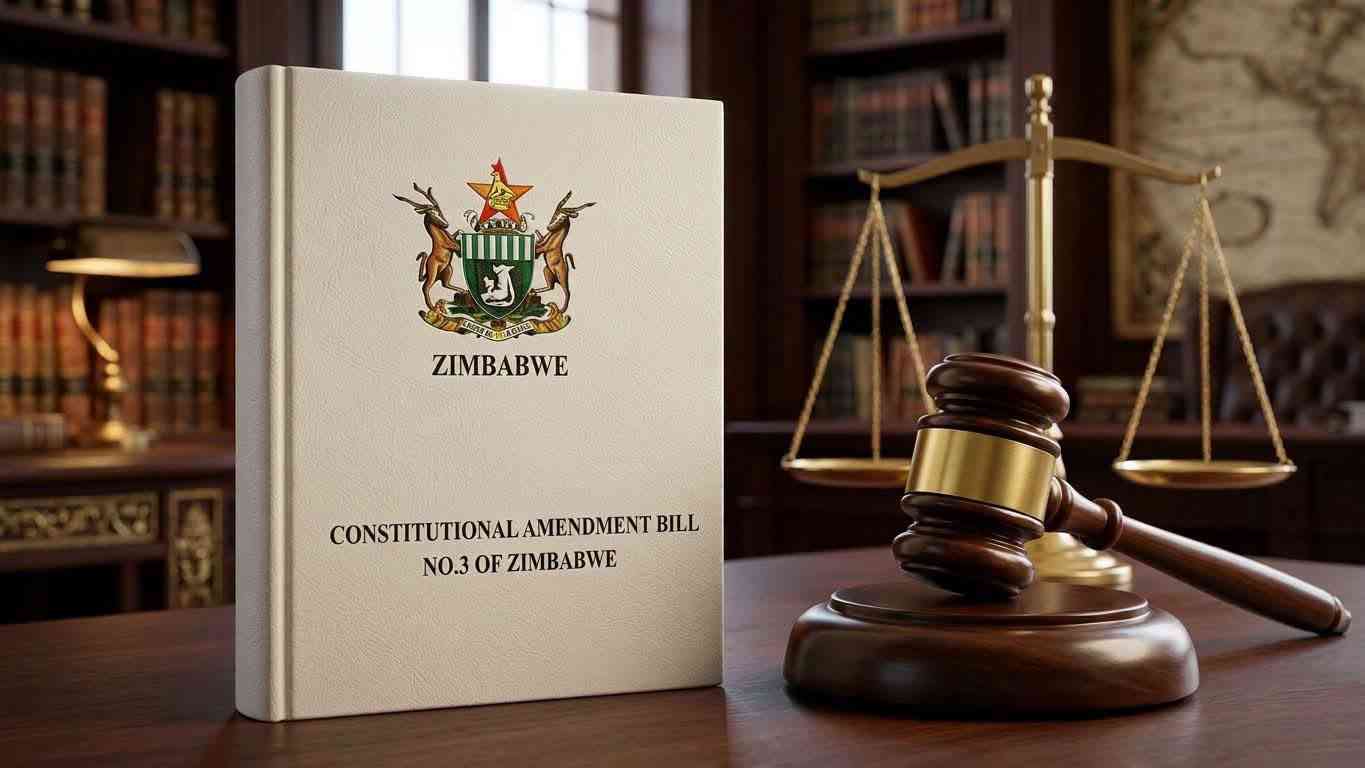
Its focus was the controversial push by Zanu PF to extend President Emmerson Mnangagwa’s rule to 2030 — a move widely seen as a constitutional affront on the democratic will of the people.
The speaker list alone was a microcosm of Zimbabwe’s silenced conscience: Job Sikhala, Tendai Biti, Jameson Timba, Jacob Ngarivhume, Munyaradzi Gwisai, Obert Masaraure, Emmanuel Sitima, Moline Banda, alongside representatives of war veterans and the church.
These are people who have endured harassment, imprisonment and intimidation — yet continue to advocate for accountability and constitutionalism.
But before a single microphone was switched on, the regime sent its own message.
- Sikhala case haunts Mnangagwa govt
- Lessons for Zimbabwe from Kenyan elections
- Lessons for Zimbabwe from Kenyan elections
- Promoting accountable investments in Zimbabwe
Keep Reading
The area was swiftly cordoned off by the police, the air force, the Presidential Guard and other security agents.
Citizens were driven away, journalists were warned and the event was abruptly cancelled.
The bombing was not just an act of violence against property, it was an act of terror against the idea of democracy itself.
Sadly, this is not new.
Zimbabwe has a long and tragic history of using violence to suffocate dissent.
In 2011, the Daily News — one of the few newspapers that dared to question the ruling elite — was bombed, its printing press destroyed, its staff threatened.
The sin? Publishing stories sympathetic to the opposition led by the late Morgan Tsvangirai.
Earlier this year, former Zanu PF official and war veteran Blessed “Bombshell” Geza’s farmhouse in Sanyati was petrol-bombed after he called for peaceful protests against attempts to extend Mnangagwa’s term.
His only crime was to believe that leadership should be accountable and temporary — not divine and permanent.
The pattern is clear: whenever democracy raises its head, it is met with the iron fist of the State.
Whenever citizens seek dialogue, the government responds with detonations and decrees.
Whenever power feels threatened, fear becomes the language of governance.
These acts of violence are not isolated incidents; they are symptoms of a deeper disease — the capture of the State by those who mistake personal rule for national stability.
Zimbabwe’s rulers have long equated criticism with treason and dissent with rebellion.
They want a silent nation, not a free one.
But there is something the bombers will never understand: fear can silence voices, but it cannot erase ideas.
Every act of repression fuels a new generation’s determination to demand justice.
Every attack on free expression exposes the regime’s insecurity.
Every bomb detonated against democracy leaves behind a residue of truth — that those who rule by force have already lost the argument.
For a nation that once fought for liberation, this cycle of oppression is a cruel betrayal.
Our heroes fought for one-person-one-vote, not one-man-one-lifetime rule.
They envisioned a Zimbabwe where debate would replace domination and the ballot would replace the bullet.
Instead, we now live in a State where soldiers police public thought and bombs determine which voices can be heard.
The true constitutional crisis is not about the length of a presidential term — it is about the death of accountability.
Until those in power learn that legitimacy is the offshoot of consent, not coercion, Zimbabwe will remain trapped in this tragic loop of fear and silence.
Bombs may destroy buildings, but they cannot destroy truth.
And truth, no matter how long it takes, always outlives those who try to bury it under rubble and smoke.